Archive · 13 Dec 2025
India's Cash Transfers Empower Women
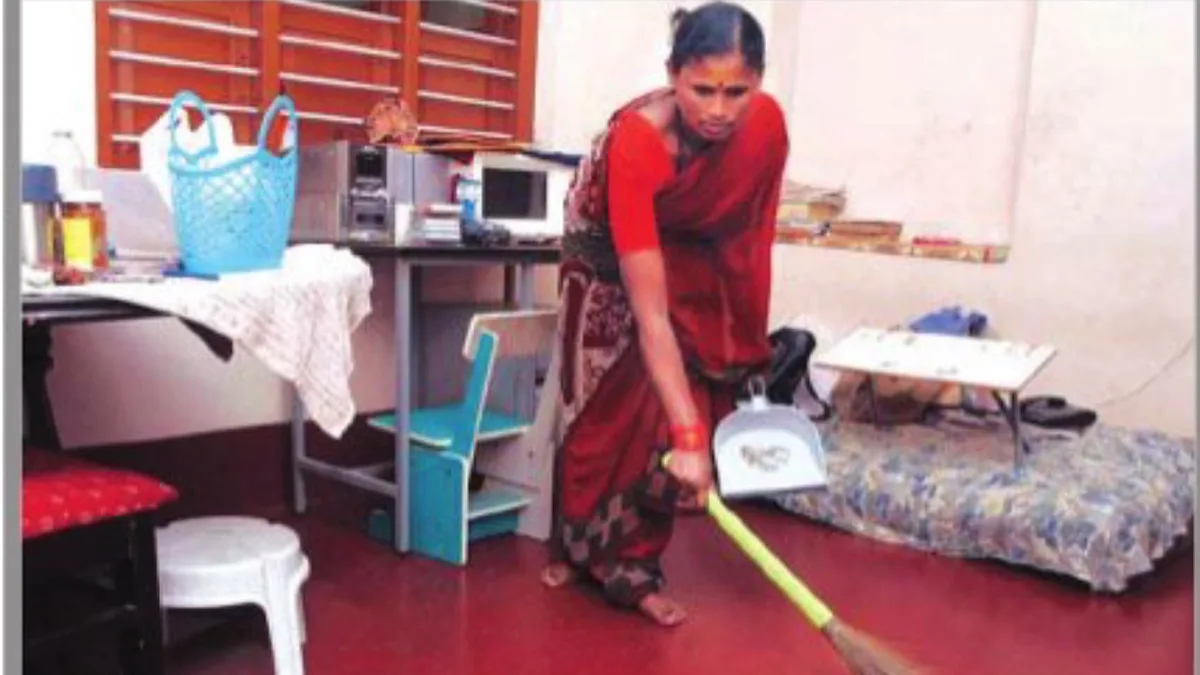
In India, millions of women do unpaid work like cooking and cleaning every day.
The government is giving these women money each month to recognize their hard work.
This money helps them feel more independent and makes their work visible.
It also helps them start small businesses or find better jobs.
While this is a good start, there's still more to do to make things completely fair for women.

India is conducting the world's largest social experiment in unconditional cash transfers to women for unpaid labor.
Nearly 11.8 crore women across 12 states receive monthly transfers ranging from Rs 1,000 to Rs 2,500.
These transfers are altering household dynamics, providing women with their first personal money and enabling micro-entrepreneurship.
Data shows that women are using these funds to find work, learn new skills, and negotiate better conditions.
While cash transfers are a significant step, they are not a complete solution and must be complemented by efforts for equal pay and shared domestic responsibility.
- Who
- Millions of women in India's 'Care Economy'
- What
- Unconditional cash transfers to women for unpaid labor
- When
- Ongoing, with significant impact observed
- Where
- Across 12 states in India
- Why
- To recognize and value unpaid domestic work, empower women, and alter household dynamics
- Number of Beneficiaries
- 11.8 crore women
- Transfer Amount
- Rs 1,000 to Rs 2,500
- States Involved
- 12 states
- Average Unpaid Work
- 5 hours daily for women, 30 minutes for men
- Impact in Maharashtra
- 74% of beneficiaries received their first personal money
- Impact in Tamil Nadu
- Reduction in domestic crises and marital conflict
- Impact in West Bengal
- Women using funds as seed capital for micro-entrepreneurship