Archive · 16 Sep 2026
Delhi High Court Grants Bail After Eight-Year Terror Trial Delay
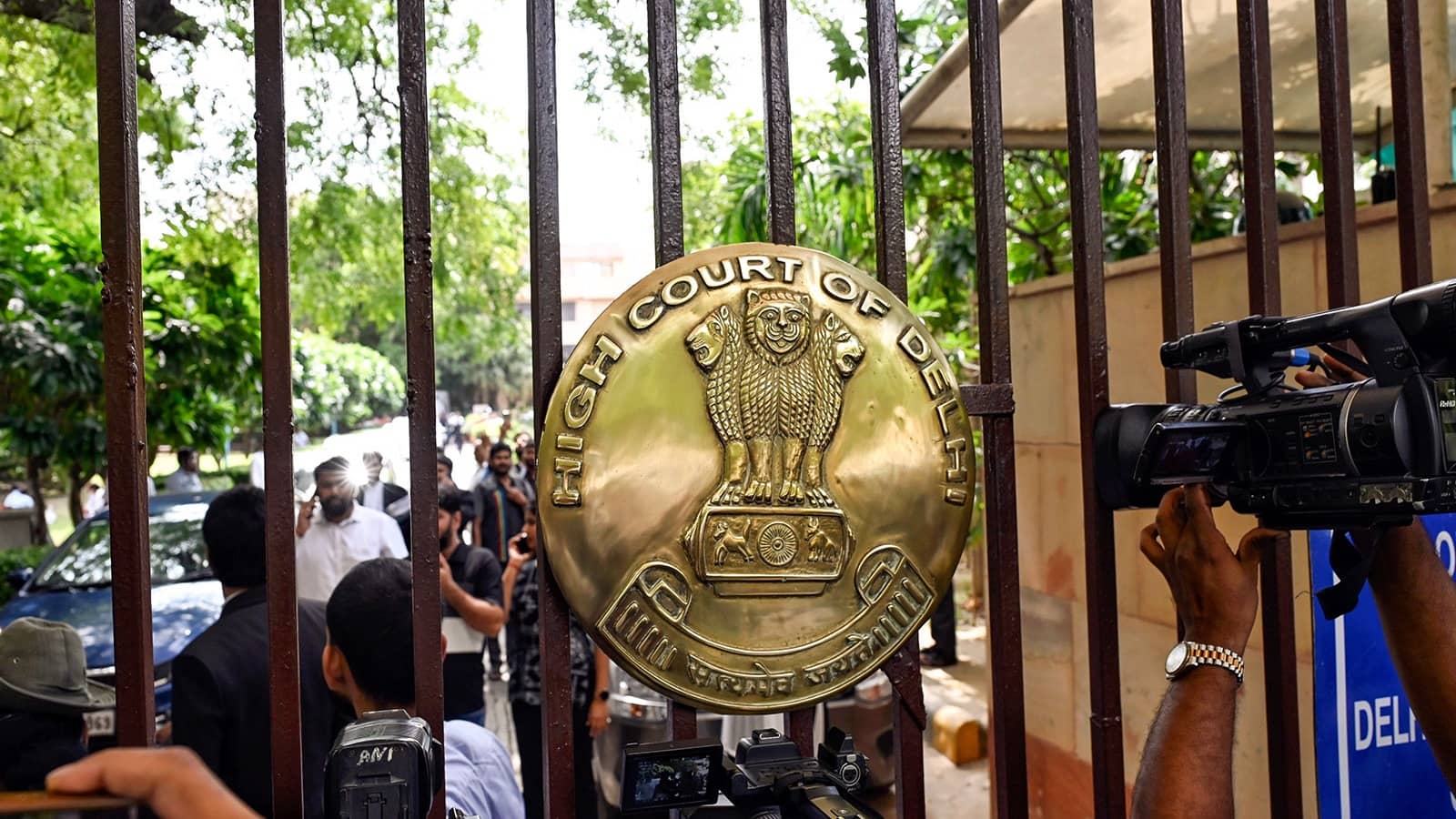
The Delhi High Court allowed Mohammad Saqib to leave jail while his trial continues.
He had been in custody since December 2018.
Investigators accuse him of belonging to a group said to support ISIS and of helping make contacts with suspected terrorists.
Saqib’s lawyers said the witnesses did not clearly connect him to the alleged crimes.
The National Investigation Agency disagreed and said the accusations were serious.
The court noted that only 40 of 120 prosecution witnesses had been heard.
Because the trial could take much longer, the court granted bail.
Saqib must follow strict rules and cannot contact witnesses or publicly discuss the case.

The Delhi High Court granted bail to Mohammad Saqib alias Saqib Iftekar after almost eight years in custody.
Saqib was arrested on December 26, 2018, in a case involving alleged links to Harkat-ul-Harb-E-Islam and support for ISIS and Jaish-E-Muhammad.
The court noted that only 40 of the prosecution’s 120 witnesses had been examined and said the trial was unlikely to conclude soon.
The NIA opposed bail, citing allegations of terrorist contacts, weapons procurement and the recovery of pamphlets and other materials.
Saqib must furnish a Rs. 50,000 personal bond with two sureties, surrender his passport and follow restrictions on travel, contact and public statements.
- Who
- The Delhi High Court, Mohammad Saqib alias Saqib Iftekar, and the National Investigation Agency.
- What
- The High Court granted Saqib bail in a terror case involving alleged support for ISIS-linked ideology and related offenses.
- When
- Saqib was arrested on December 26, 2018; the bail order was reported as being issued on a Monday or Tuesday in September, after almost eight years in custody.
- Where
- The case is before the Delhi High Court and concerns alleged activities linked to Jammu and Kashmir; Saqib must ordinarily remain in Hapur, Uttar Pradesh.
- Why
- The court cited Saqib’s lengthy incarceration, the slow progress of the trial and the fact that only 40 of 120 prosecution witnesses had been examined.
Saqib’s Defense
NIA’s Opposition
Trial Delay
Saqib’s Defense
The defense argued that Saqib had spent almost eight years in custody, that key witnesses had already been examined and that the trial was unlikely to finish soon.
NIA’s Opposition
The NIA argued that delay alone should not justify bail because of the seriousness of the allegations.
Alleged Role
Saqib’s Defense
Saqib’s counsel said he was not part of the core terror module and was at most a peripheral participant whose alleged role was not clearly established by witness statements.
NIA’s Opposition
The NIA alleged that Saqib helped introduce figures linked to a terror module, sought contacts with terrorists for training and helped arrange weapons.
Evidence
Saqib’s Defense
The defense maintained that statements from prosecution witnesses did not truly implicate Saqib in the charged offenses.
NIA’s Opposition
The NIA said Saqib propagated ISIS ideology, supported Jaish-E-Muhammad and possessed incriminating pamphlets and other materials.
- Accused
- Mohammad Saqib alias Saqib Iftekar
- Arrest date
- December 26, 2018
- Alleged group
- Harkat-ul-Harb-E-Islam, described in the reports as a pro-ISIS group
- Trial progress
- 40 of 120 prosecution witnesses examined
- Bail security
- Rs. 50,000 personal bond and two sureties for the same amount
- Main restrictions
- Surrender passport; no foreign travel without trial-court permission; remain in Hapur except for the trial or NIA reporting
- Laws cited
- Indian Penal Code, Unlawful Activities (Prevention) Act and Explosive Substances Act