

Archive · 27 Dec 2025
Yen, Rupee, and the China Test
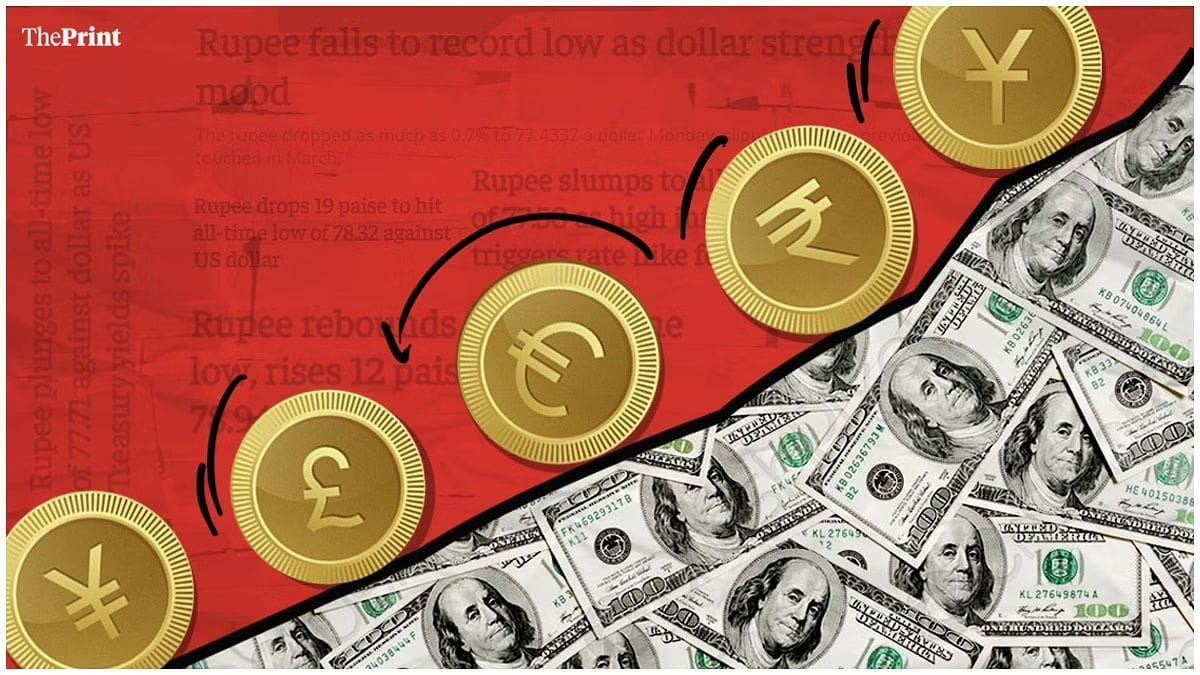
The world's money system is changing.
The US dollar is not as reliable as it used to be, and China is trying to make its currency, the yuan, more important globally.
Japan and India, two big democracies in Asia, need to think carefully about their money (currency) to keep their economies strong.
Japan focuses on keeping its money stable, while India is good at adjusting to changes.
Both countries can learn from each other to handle these new challenges.
They need to work together to navigate a world where money is not just about economics but also about strategy.

The global financial order is shifting, with the US dollar losing its neutral status and China pushing the yuan as a global currency.
Japan's approach to currency management focuses on stability and predictability, which has helped its economy.
India's strategy involves flexibility and shock absorption, allowing its currency to adjust to external pressures.
Both Japan and India face the challenge of resisting dollar weaponization and yuan centralization without isolating their economies.
Japan and India can learn from each other's strengths to navigate the changing financial landscape and maintain economic and geopolitical autonomy.
- Who
- Japan, India, China
- What
- Currency management as a strategic tool in a changing global financial order
- When
- Present and future
- Where
- Asia, Global
- Why
- To maintain economic stability and geopolitical autonomy in a multipolar financial landscape
- Countries Involved
- Japan, India, China
- Currencies Discussed
- Yen, Rupee, Yuan, Dollar
- Global Financial Order
- Eroding
- China's Strategy
- Pushing yuan into global circulation
- Japan's Approach
- Stability and predictability
- India's Approach
- Flexibility and shock absorption
- Strategic Challenge
- Resisting dollar weaponization and yuan centralization
