

Archive · 10 Aug 2026
India to Reintroduce UPI Service Charge After Seven Years
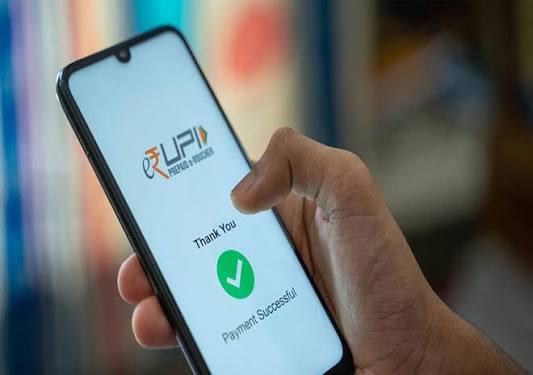
In India, paying with UPI QR codes has become very popular, and it has been free for a long time.
The government stopped charging a fee for these payments in 2019.
Now, the government wants to start charging a small fee again for some payments.
This fee is called a Merchant Discount Rate, or MDR.
It would be paid by shop owners, not by people sending money to friends and family.
The Finance Minister said transfers between people will stay free.
Only big business payments above a certain amount might have the fee, perhaps payments over Rs 2,000.
Banks asked for this fee because they need money to keep the payment systems working.
Most UPI payments are small, under Rs 500, and would not be affected.
The government must make sure shop owners don't pass the fee on to customers, because that could push people back to using cash.

India's central government is set to reintroduce a Merchant Discount Rate (MDR) service charge on UPI transactions after it was scrapped in 2019.
The charge would be enabled through an amendment to the Payment and Settlement Systems Act, 2007.
Finance Minister Nirmala Sitharaman said people-to-people transfers will remain free, with only commercial transactions above a threshold (analysts suggest Rs 2,000) potentially charged.
In the last financial year, NPCI processed 24,162 crore UPI transactions, accounting for 90 per cent of all digital transactions in India.
Reports suggest UPI's MDR could be 0.5-0.75 per cent, lower than the 1-3 per cent charged by Visa and Mastercard.
- Who
- India's central government, banks and the Reserve Bank of India, with Finance Minister Nirmala Sitharaman clarifying the plan
- What
- Reintroducing a Merchant Discount Rate service charge on UPI commercial transactions through an amendment to the Payment and Settlement Systems Act, 2007
- When
- Seven years after the MDR was suspended in 2019, with the enabling provision now approved
- Where
- India
- Why
- To help banks earn revenue from UPI so they can invest in payment infrastructure and maintenance
Customer and Merchant Concerns
Government, RBI and Banking View
Reintroducing a UPI service charge
Customer and Merchant Concerns
Customers and merchants are uneasy about the prospect of charges on UPI, which has been free since the MDR was suspended in 2019.
Government, RBI and Banking View
Banks, with RBI support, lobbied for the reintroduction of a service charge so they can earn revenue and invest in infrastructure and maintenance.
Who pays the charge
Customer and Merchant Concerns
Many small and mid-sized merchants illegally recoup the MDR from customers, which would marginally increase costs for consumers.
Government, RBI and Banking View
The government contends the MDR will be collected from merchants, not consumers, and says the illegal practice of passing it on must be prevented.
Impact on India's cashless goal
Customer and Merchant Concerns
If customers face higher costs, people may switch back to cash payments, damaging India's long-term goal of a less-cash economy.
Government, RBI and Banking View
The charge would apply only to commercial transactions above a threshold, while people-to-people transfers remain free, limiting disruption.
- MDR suspended
- 2019
- UPI transactions processed last FY
- 24,162 crore (90% of digital transactions)
- UPI transaction value
- Rs 3,14,23,251 crore (57% of digital transaction value, FY 2025-26)
- Transactions under Rs 500
- 86% (20,778 crore transactions)
- Transactions over Rs 2,000
- 4% (966 crore transactions), about two-thirds of UPI payments by value
- Reported UPI MDR
- 0.5%-0.75%
- Visa and Mastercard MDR
- 1%-3%
- Likely charging threshold
- Rs 2,000 (analysts' estimate)