

Archive · 30 Jul 2026
Rawalakot Bloodshed Highlights Pakistan's Crackdown on Protesters
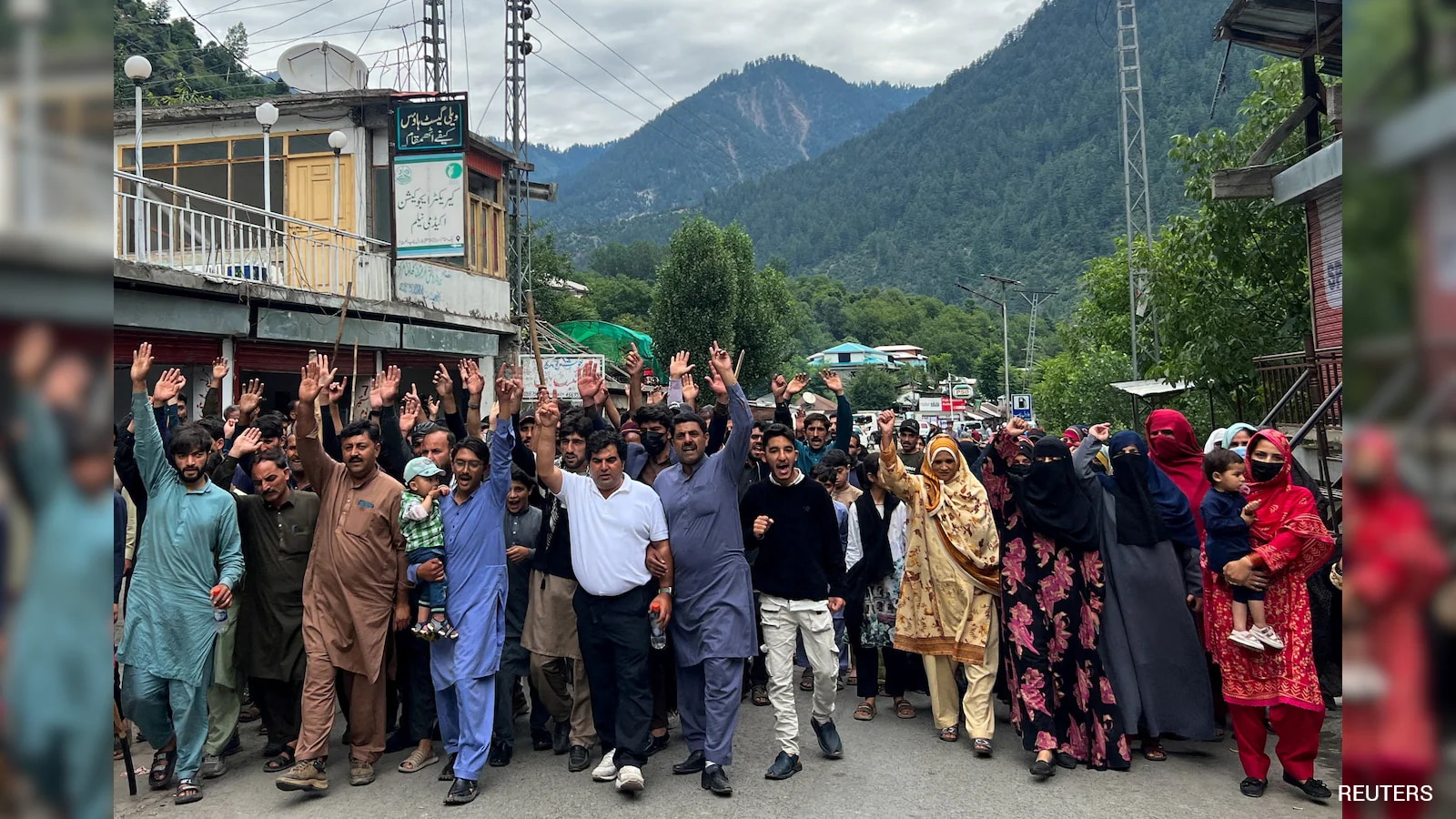
In Rawalakot, a town in the area Pakistan controls in Kashmir, people protested about how elections were run.
The police and army used guns and many people were hurt or killed.
A group called the Joint Awami Action Committee tried to organize the protests but was banned by the government.
A famous human‑rights official from the United Nations said the government should investigate the killings.
The government shut down phones and the internet for weeks, which made people worry that the whole area was being punished.
The government’s defence minister said the protesters were enemies, which upset many people.
The protests show that it is hard for people in Pakistan to speak out without being treated as a threat.

Rawalakot protests in Pakistan-administered Kashmir have led to dozens of deaths and injuries amid a crackdown by security forces.
The Joint Awami Action Committee (JAAC) was banned under anti‑terrorism laws, and its leaders, including Dr Mahrang Baloch, were arrested and sentenced to life imprisonment.
Pakistan’s Defence Minister Khawaja Asif compared protesters in the region to enemies, sparking outrage.
The United Nations High Commissioner for Human Rights, Volker, called for impartial investigations into the violence and the banning of JAAC.
Communication services were shut down in the region for weeks, raising concerns about collective punishment.
- Who
- Pakistani citizens, protesters, security forces, government officials
- What
- Violent crackdown on protests in Rawalakot, Pakistan-administered Kashmir
- When
- In the weeks leading up to the elections
- Where
- Rawalakot, Pakistan-administered Kashmir
- Why
- Protests over political representation, election rigging, and state crackdown
- Location
- Rawalakot, Pakistan-administered Kashmir
- Fatalities
- At least 40
- Perpetrators
- Security forces
- Key organizations
- Joint Awami Action Committee (JAAC)
- Government response
- Banned JAAC, arrested leaders