Archive · 17 Sep 2026
Fed Raises Rates as Inflation Mounts, Defying Trump
The Federal Reserve is the US group that helps guide interest rates.
It raised rates by 0.25 percentage points, bringing them to between 3.75% and 4.00%.
Higher rates make borrowing money more expensive for families and businesses.
This can reduce spending and eventually slow price increases.
The Fed said inflation was still too high and wanted to bring it back to its 2% goal.
Inflation was 3.4% in August, partly after energy prices rose.
Most Fed policymakers thought another rate increase might be needed this year.
President Donald Trump wanted lower rates and criticized the decision, but the Fed proceeded with the increase.

The Federal Reserve unanimously raised its benchmark rate by 0.25 percentage points to 3.75%–4.00%.
The increase was described as the Fed’s first since 2023, or in three years, depending on the wording used.
At least 12 of 18 policymakers projected one more rate hike this year, while four expected two additional increases.
August inflation was 3.4%, above the Fed’s 2% target and higher than reported US wage growth of 3.1%.
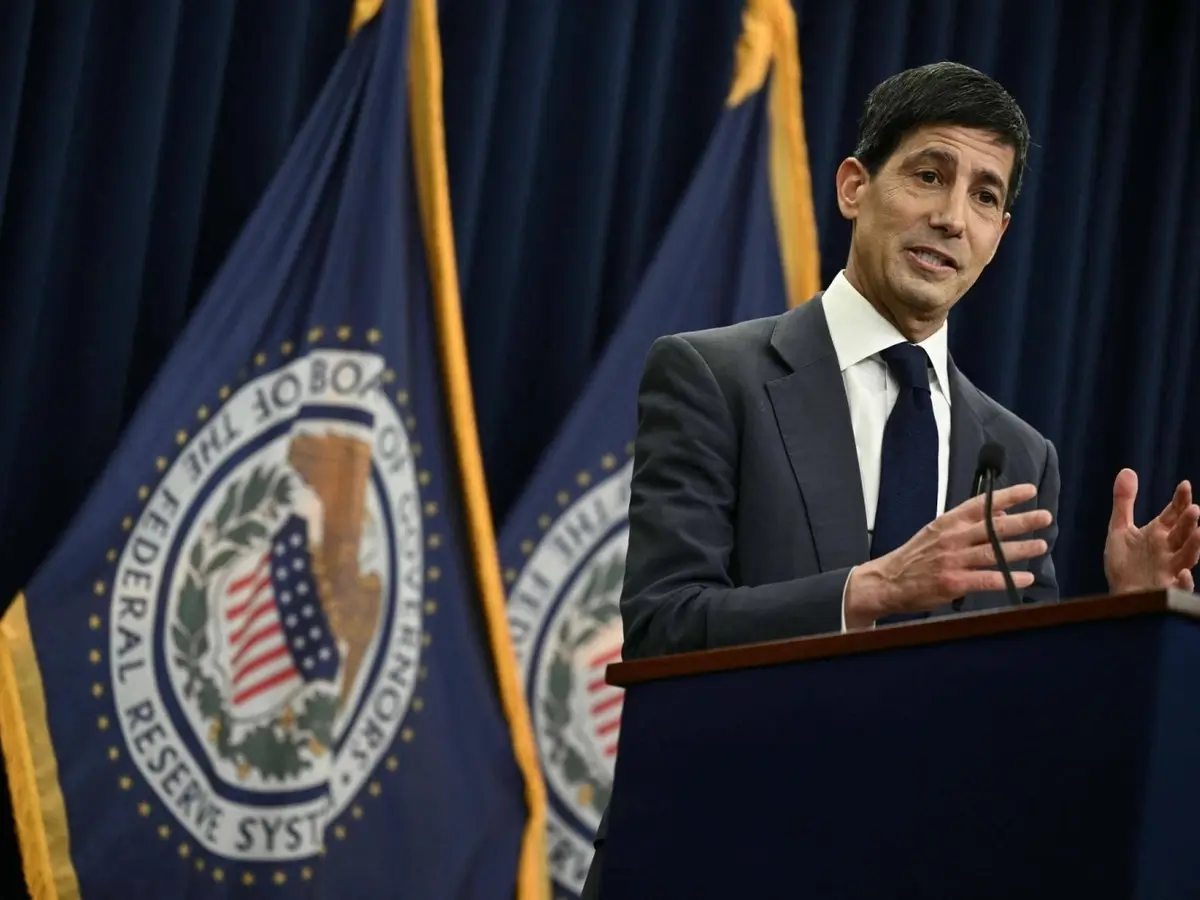
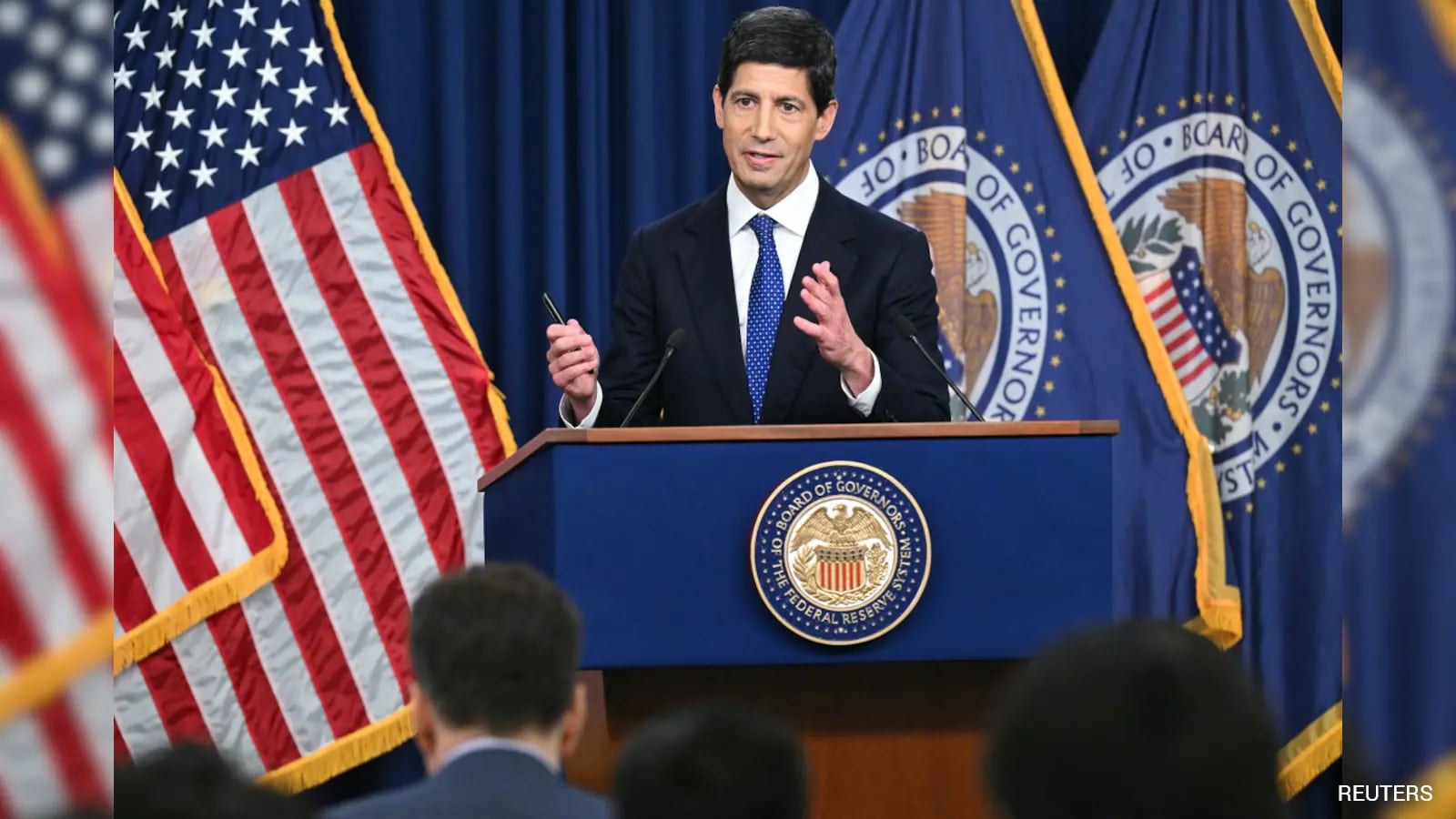
President Donald Trump called the decision hostile and politically motivated, while Fed Chair Kevin Warsh said inflation remained too high for too long.
- Who
- The Federal Reserve, Fed Chair Kevin Warsh, President Donald Trump, and Federal Open Market Committee policymakers.
- What
- The Federal Reserve raised its benchmark short-term interest rate by 0.25 percentage points, to 3.75%–4.00%.
- When
- Wednesday; the articles describe the increase as the first since 2023 or in three years.
- Where
- The United States.
- Why
- The Fed said inflation remained elevated and that higher rates would support a timelier return to its 2% inflation goal.
Case for Lower Rates
Case for Higher Rates
Interest-rate policy
Case for Lower Rates
President Donald Trump demanded lower rates, saying the United States should have the lowest interest rates in the world and accusing the Fed of acting hostilely and for political reasons.
Case for Higher Rates
The Federal Reserve unanimously raised rates, saying inflation was too high and had remained elevated for too long.
Economic priority
Case for Lower Rates
Trump’s position favors cheaper borrowing to spur economic activity and support the economy.
Case for Higher Rates
The Fed prioritized returning inflation to its 2% target, while citing the resilience of the economy and labor market as reasons it could absorb tighter financial conditions.
Sources of inflation
Case for Lower Rates
The articles say the Fed has limited influence over tariffs, wars, energy-price shocks, and the AI buildout, which contribute to inflation.
Case for Higher Rates
Fed policymakers said higher borrowing costs could reduce demand and eventually help lower prices despite those broader forces.
- Rate increase
- 0.25 percentage points, or 25 basis points
- New benchmark rate
- 3.75% to 4.00%
- August inflation
- 3.4%, unchanged from the previous month and above the Fed’s 2% target
- US wage growth
- 3.1%, according to the article
- Policy vote
- Unanimous approval by the Federal Open Market Committee
- Further increases
- At least 12 of 18 policymakers projected one more hike; four projected two more
- Other economic projections
- The Fed raised its year-end PCE inflation forecast to 3.7% and GDP growth forecast to 2.3%