1 hr ago
Bhagwat’s Inclusive Message Faces Test in India’s Political Discourse
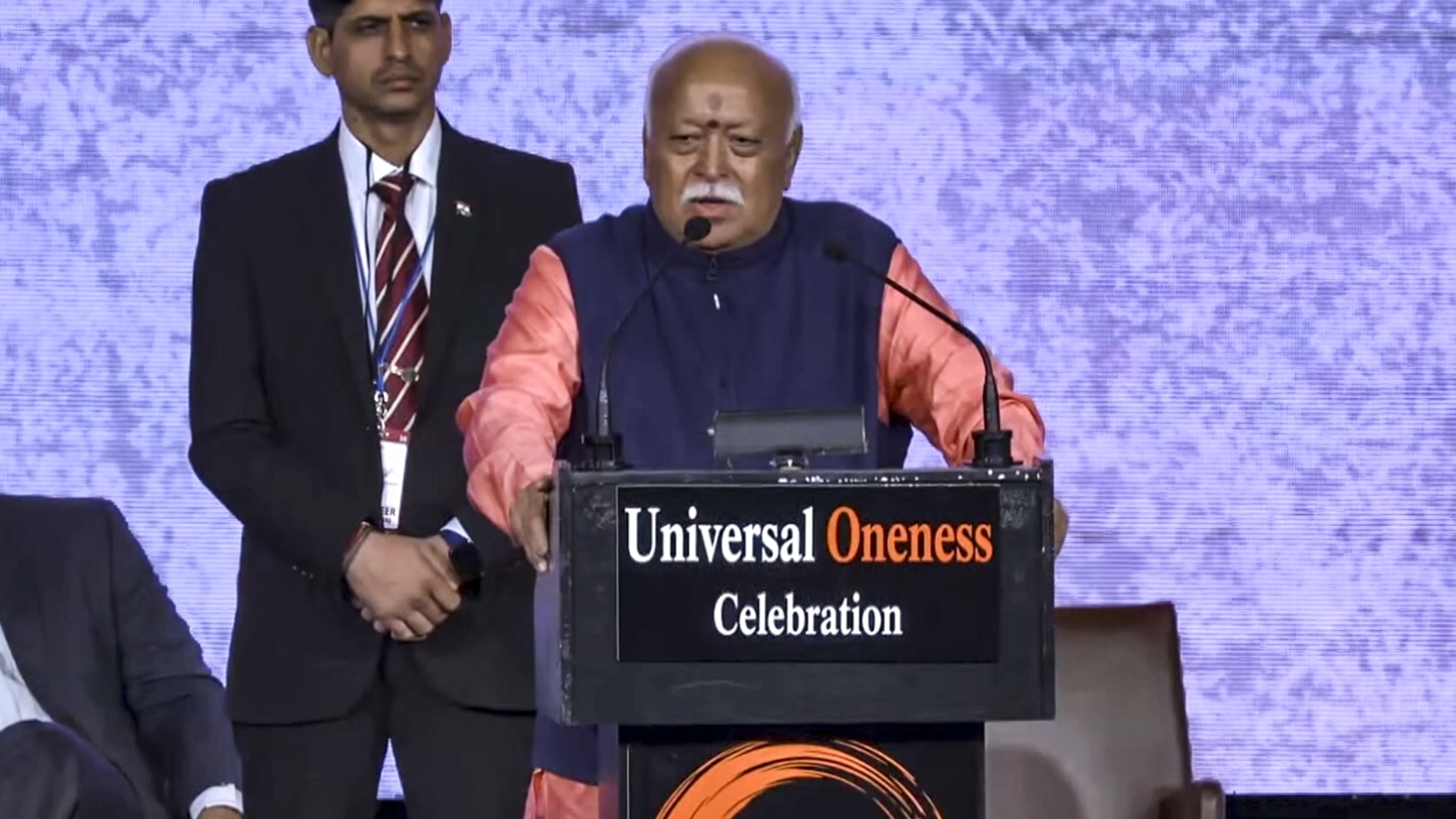
The Rashtriya Swayamsevak Sangh chief gave a speech in New York.
He said that someone who does not want Muslims in India cannot truly be a Hindu.
The article says this supports the idea that Muslims are equal citizens.
But it asks whether political leaders in India follow the same idea.
Some ministers and party workers have used language that may worry or divide people.
The article also questions why the organisation’s leaders have sometimes stayed silent.
The Rashtriya Swayamsevak Sangh is described as the Bharatiya Janata Party’s ideological parent.
The writer wonders whether the speech was meant for an international audience or reflected a real change in politics.

The Rashtriya Swayamsevak Sangh chief said exclusionary views of Muslims are incompatible with being Hindu.
The remarks were delivered at Madison Square Garden in New York.
The commentary argues that Muslims are citizens of India, not residents by permission.
It questions whether domestic political rhetoric reflects the same inclusive principle.
The article asks whether international scrutiny or electoral calculations prompted the statement.
- Who
- The Rashtriya Swayamsevak Sangh chief, along with Indian political leaders and party functionaries discussed in the commentary.
- What
- A speech affirming an inclusive view of India is being compared with allegedly polarising domestic political rhetoric.
- Where
- The speech took place at Madison Square Garden in New York; the broader political comparison concerns India.
- When
- Why
- The article questions whether the statement reflected principle, international pressure, or changing political calculations.
Inclusive Principle
Domestic Political Practice
Treatment of Muslims
Inclusive Principle
The speech presents Muslims as equal citizens and says excluding them is inconsistent with being Hindu.
Domestic Political Practice
The article points to political dog-whistles, polarising slogans, and coded appeals around Muslims in domestic discourse.
Meaning of the New York statement
Inclusive Principle
The remarks can be read as a reaffirmation of India’s inclusive character.
Domestic Political Practice
The article questions whether the remarks were mainly a translation for an international audience, possibly prompted by scrutiny or electoral calculations.
Key facts
- Speaker
- The chief of the Rashtriya Swayamsevak Sangh
- Venue
- Madison Square Garden
- City
- New York
- Core statement
- A Hindu who does not want Muslims in India cannot be a true Hindu.
- Citizenship principle
- The article says Muslims are citizens of India and do not live there by anyone’s permission.
- Political comparison
- The commentary contrasts the speech with dog-whistles, polarising slogans, and coded appeals attributed to some Indian political figures.
- Organisation relationship
- The Rashtriya Swayamsevak Sangh is described as the Bharatiya Janata Party’s ideological fountainhead.
Sources
Related news
Bhagwat’s Inclusivity Message Abroad Faces Majoritarianism Questions at Home
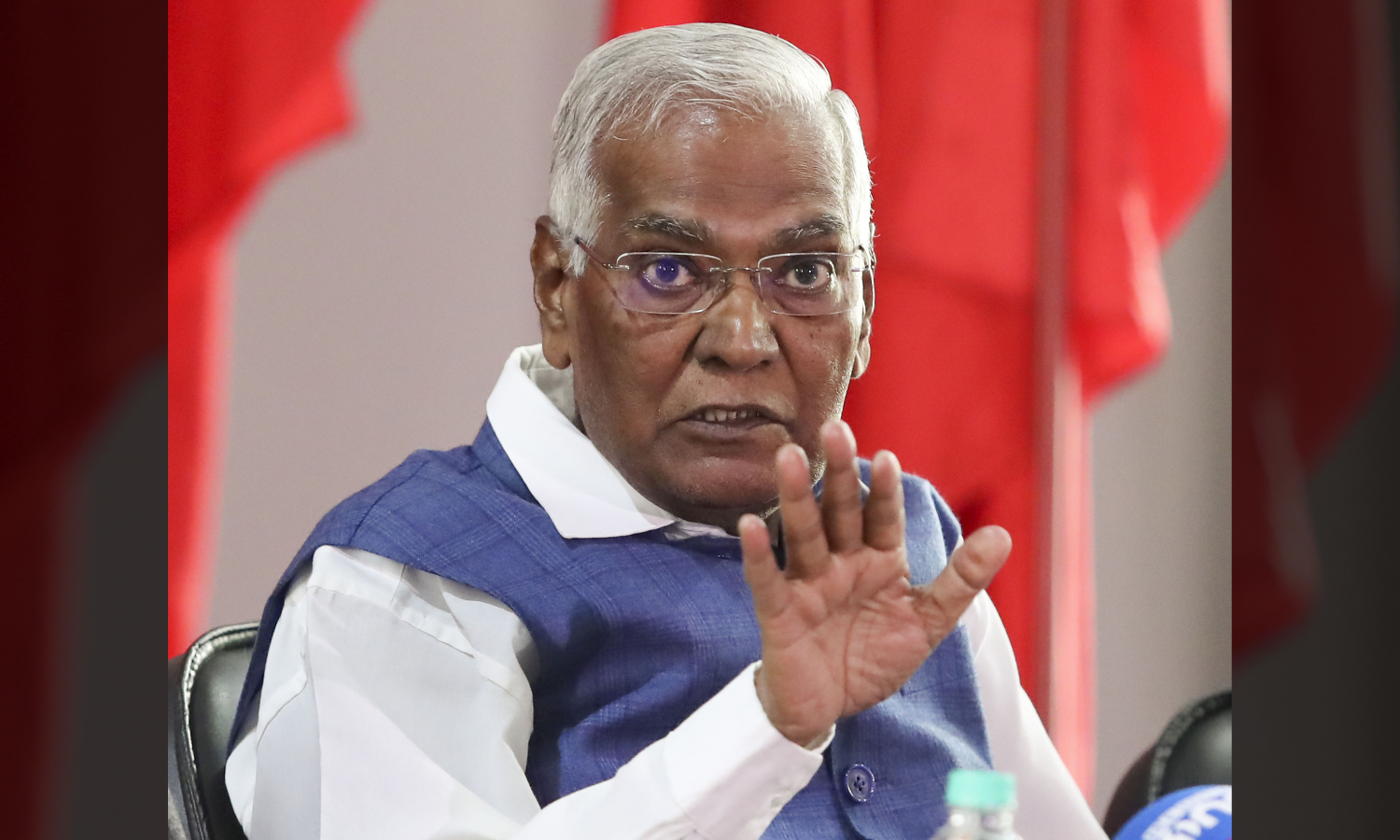
Raja Challenges Bhagwat to Repeat Hindu-Muslim Unity Remarks in India

Bhagwat’s Hindu-Muslim Unity Remarks Draw Opposition Questions, BJP Defense
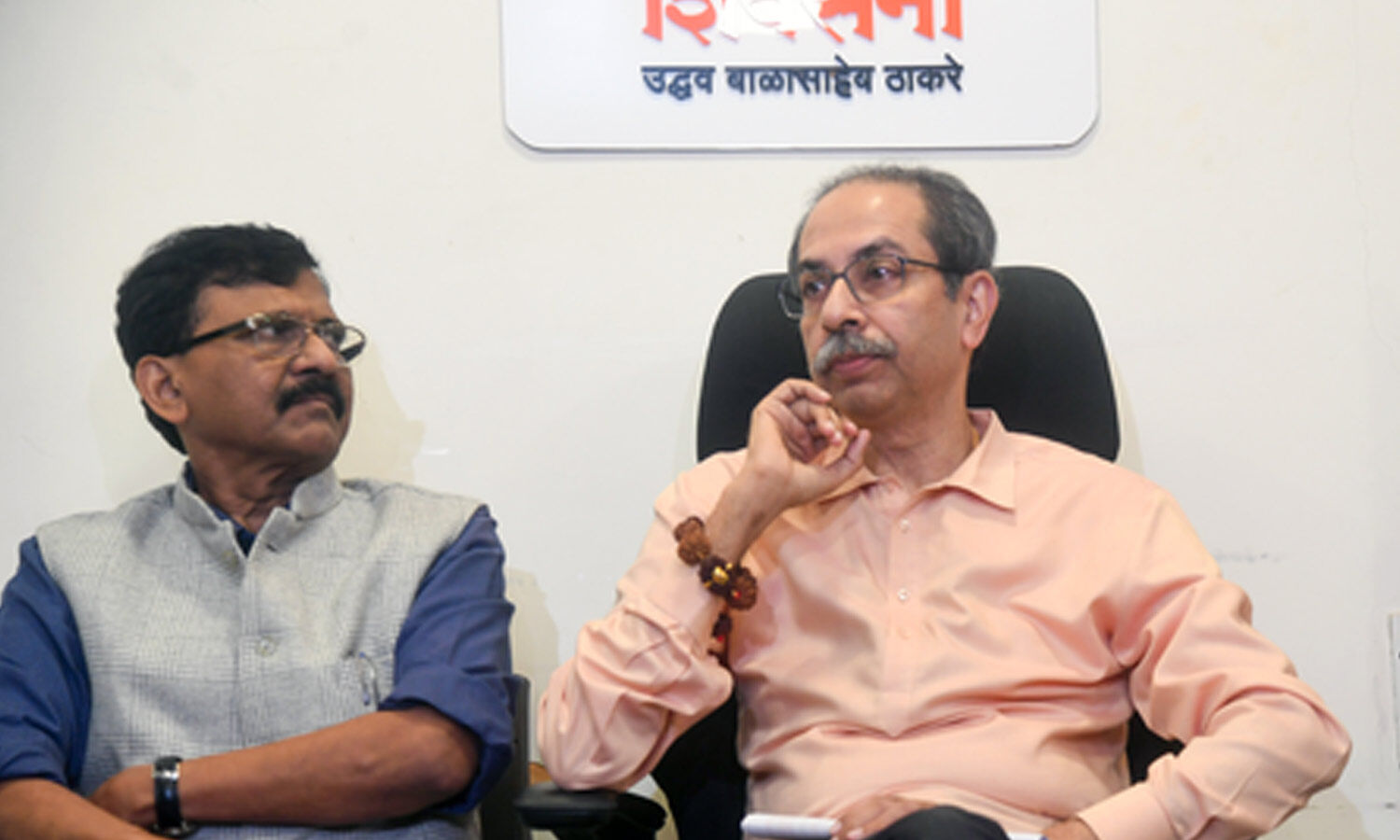
Shiv Sena UBT Challenges Bhagwat’s Global Hinduism Message
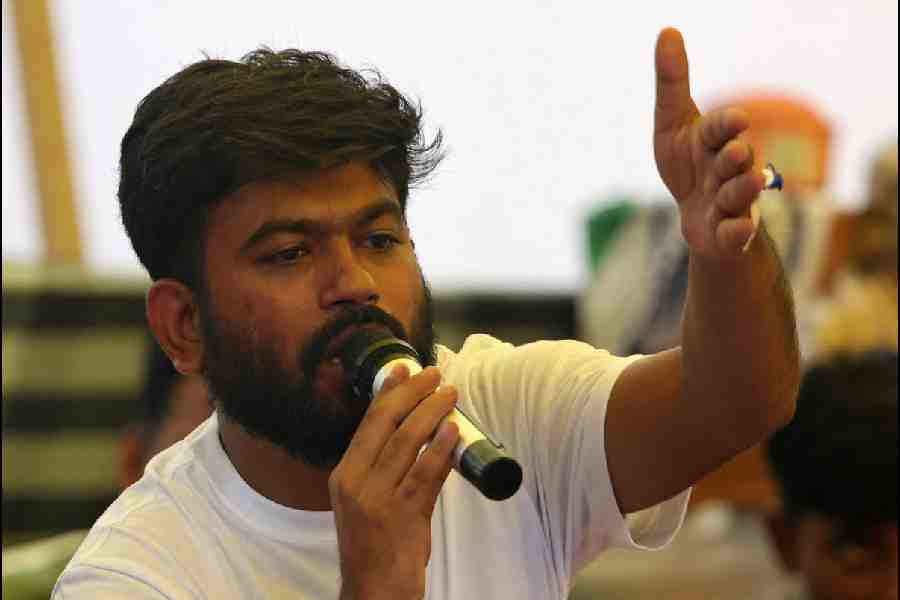
Dipke Urges BJP to Heed Bhagwat’s Hindu-Muslim Inclusivity Message
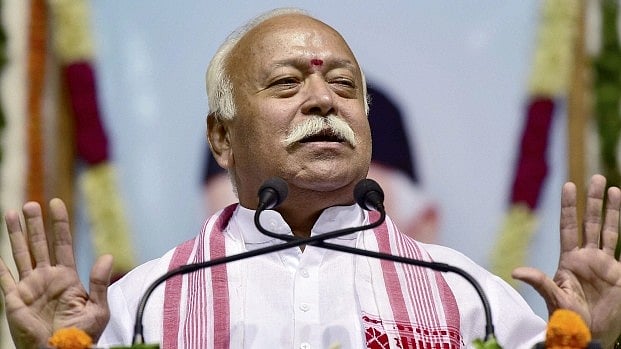
Bhagwat Stresses Hindu Unity and Diversity at New York Event
Fire Department Orders Partial Evacuation of Banerjee Office Building
Mithun Chakraborty Announces 30 Percent Bengal Film Subsidy
Uddhav Thackeray Alleges BJP Election Tactics, Urges Voter-List Vigilance
Rajasthan Civic Poll Withdrawals Trigger Political Storm Across State