Archive · 15 Nov 2025
India Rescinds Quality Control Orders on 14 Petrochemical Products, Easing Textile Sector Costs

Imagine the government made special rules, called Quality Control Orders (QCOs), for important materials used to make clothes and plastics.
These rules made it harder and more expensive for Indian companies to get these materials from other countries.
Recently, the government decided to get rid of these rules for 14 different materials, including things like polyester.
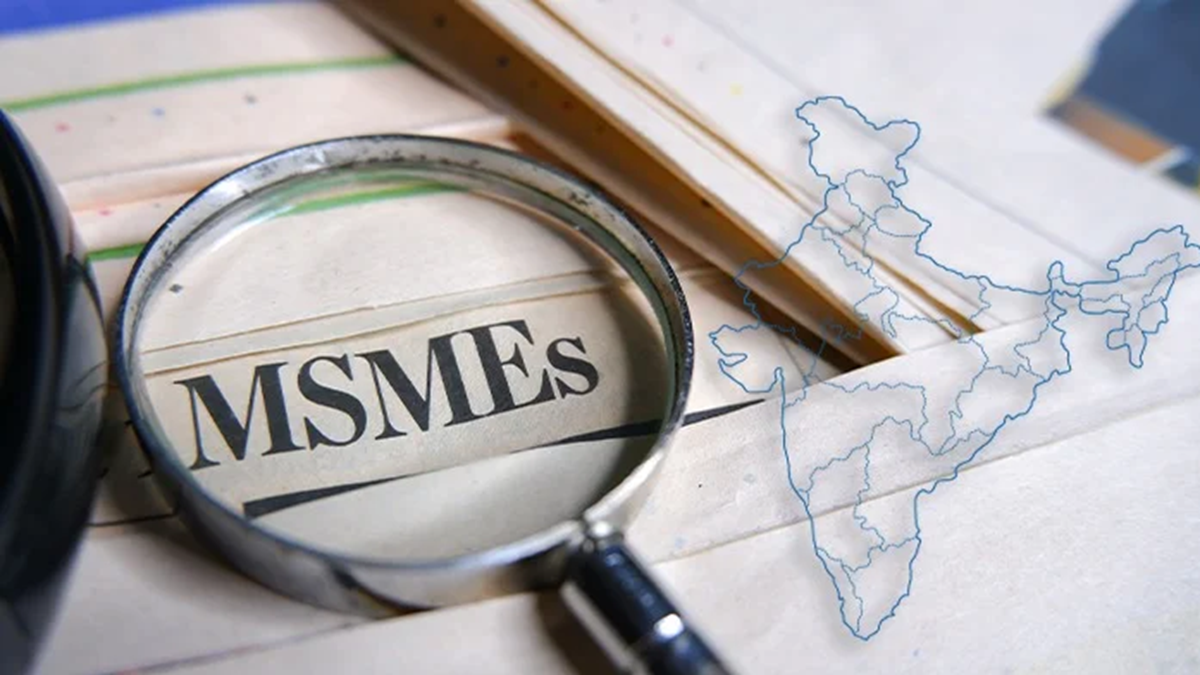
This is good news for smaller companies (MSMEs) because they can now buy these materials from anywhere in the world at cheaper prices.
This will help them make their products for less money and compete better with companies in other countries like China.
Some big Indian companies that make these materials might have to lower their prices now to compete with imports.
This change also helps India sell more clothes made from man-made fibers to other countries.

India has withdrawn Quality Control Orders (QCOs) on 14 petrochemical products, including key raw materials for the textile sector.
This move is expected to significantly widen low-cost sourcing options for domestic players, especially MSMEs, reducing manufacturing costs.
Major domestic input producers may face increased competition from imports, potentially leading to price adjustments to 'import parity'.
The withdrawal aims to improve India's competitiveness in the global man-made fibre apparel market and mitigate challenges from increased US import duties.
Recent price differences show domestic Polyester Staple Fibre (PSF) and Polyester Filament Yarn (PFY) are considerably more expensive than imported alternatives.
- Who
- The Indian government, domestic manufacturers (especially MSMEs), major petrochemical producers (Reliance, IOC), industry associations (GTRI, CITI), and global suppliers (China, Indonesia, Korea, Thailand).
- What
- The government has withdrawn Quality Control Orders (QCOs) on 14 petrochemical products, including key raw materials for the textile industry, aiming to reduce manufacturing costs, improve sourcing options, and enhance export competitiveness.
- When
- The QCOs were withdrawn on Thursday and Friday, following pushback from the domestic industry.
- Where
- India, impacting sectors nationwide, particularly textile hubs like Surat, Silvassa, Tiruppur, Ludhiana, and Bhilwara.
- Why
- To address supply-side challenges, reduce input costs for MSMEs, ease import restrictions on raw materials, improve price competitiveness, and boost India's ability to compete in the global man-made fibre apparel market.
Arguments for QCO Withdrawal (Industry Perspective)
Concerns Regarding QCO Withdrawal (Domestic Producers)
Impact on Input Costs and Sourcing
Arguments for QCO Withdrawal (Industry Perspective)
The withdrawal of QCOs on textile raw materials and petrochemicals will significantly widen low-cost sourcing options, helping MSMEs reduce manufacturing costs and address supply-side challenges by reducing certification delays.
Concerns Regarding QCO Withdrawal (Domestic Producers)
Major domestic producers of inputs like Reliance Industries, IOC, and GAIL may face competition from imports, forcing them to adjust prices to 'import parity.' Domestic PSF, PFY, and VSF are currently more expensive than imported equivalents.
Competitiveness and Export Potential
Arguments for QCO Withdrawal (Industry Perspective)
Removing non-tariff barriers will enhance India's competitiveness against countries like Vietnam and China in the man-made fibre apparel market, and help mitigate challenges from increased US import duties. It enables smoother access to global inputs for technical textiles and polyester garments, potentially expanding synthetic-textile exports.
Concerns Regarding QCO Withdrawal (Domestic Producers)
While CITI notes that import competition might not make the domestic market less remunerative due to existing import duties, domestic producers may need to adjust pricing strategies.
Supply Chain and Availability
Arguments for QCO Withdrawal (Industry Perspective)
The withdrawal of QCOs will immediately ease import restrictions, leading to greater availability of raw materials at competitive prices, benefiting the polymers-to-plastics value chain and mills in textile hubs.
Concerns Regarding QCO Withdrawal (Domestic Producers)
The imposition of QCOs previously restricted availability of specialized raw materials, hurting export potential for high-value MMF-based textiles. Their removal allows for broader access to global suppliers.
- Withdrawn QCOs
- 14 petrochemical products, including those for polyester fibre and yarn, polyvinyl chloride, terephthalic acid, polyurethanes, and polycarbonate.
- Affected Sectors
- Textiles, high-performance plastics, polymers-to-plastics value chain.
- Key Domestic Producers of Inputs
- Reliance Industries, IndoRama, IOC, GAIL, ONGC Petro Additions.
- Major Import Suppliers
- China (for polyester inputs), Indonesia, Korea, Thailand.
- Price Discrepancy (Domestic vs. Import)
- Domestic PSF ~15-19% higher, VSF ~8-12% higher than imported equivalents.
- Recent GST Cut on MMF
- From 18% to 5%.
- Current Synthetic-Textile Exports
- $7–8 billion.
Sources
Govt revokes 14 QCOs on intermediate goods affecting textile value chain, industry expects more rollbacks

Mint Explainer | Why the government is slowing QCO expansion even as it pushes for quality manufacturing

Govt withdraws 21 QCOs on polymers, metals, textiles intermediates this week
Explainer: How quality norms are stifling Indian industry

India may ease imports of specialty steel to address supply gaps
The costs of control
Govt revokes QCOs on 7 key minerals after industry push back