

Archive · 22 Aug 2025
Viking Diet's Modern Comeback: Ancient Eating for Today's Health
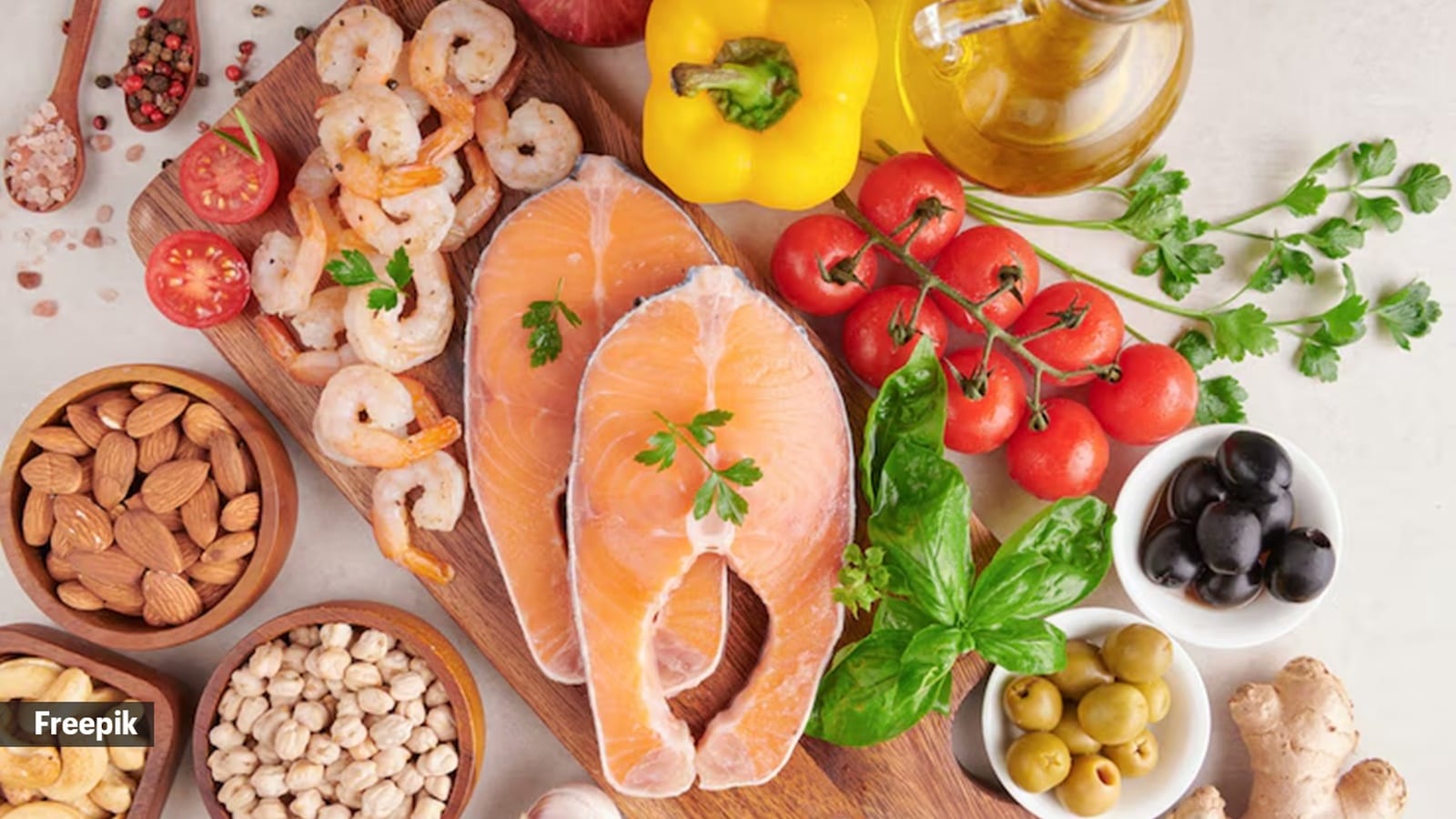
The Viking diet is an eating plan based on the food Vikings ate long ago.
It focuses on natural foods like fish, veggies, and grains.
It's similar to the Mediterranean diet, but uses ingredients from colder climates.
Many people like it because it's healthy and good for the environment.
It has lots of good stuff like omega-3s and fiber.
But, it might not be easy to follow everywhere, especially in places where some foods are hard to find or the weather is different.
To try it, you can eat more local veggies and whole grains, and cook in healthy ways.

The Viking diet, inspired by Nordic eating habits, is gaining popularity.
It emphasizes whole, unprocessed foods like vegetables, berries, fish, and whole grains.
The diet is rich in nutrients, fiber, and may benefit heart health.
Challenges exist for adoption, particularly in areas like India, due to food availability and cultural differences.
Adaptations include using local foods and cooking methods to suit modern lifestyles.
- Who
- Inspired by the eating habits of the Vikings, and is suitable for anyone.
- What
- The Viking diet is an eating plan based on traditional Nordic eating habits.
- When
- The original diet was practiced between the 8th and 11th centuries, and the modern diet is being adopted now.
- Where
- Originates from the Nordic region and can be adapted globally.
- Why
- It is becoming popular because it is seen as healthy, sustainable, and fits with current dietary trends.
Potential Drawbacks
Adaptations and Benefits
Challenges to Implementation
Potential Drawbacks
May be difficult due to fish unavailability in certain areas.
Adaptations and Benefits
Adapt by substituting plant-based omega-3 sources like flaxseeds and walnuts.
Saturated Fat concerns
Potential Drawbacks
May lead to high saturated fat intake due to meat content.
Adaptations and Benefits
Balance with plant-based foods.
- Origin
- Inspired by the traditional eating habits of Nordic populations
- Core Foods
- Fatty fish, whole grains, root vegetables, berries, legumes, and small amounts of meat and dairy
- Benefits
- Rich in omega-3 fatty acids, fiber, and antioxidants
- Modern Adaptation
- Focus on local and seasonal foods, mindful eating, and balanced portions.