

Archive · 11 Jan 2026
Green Sea Turtles No Longer Endangered
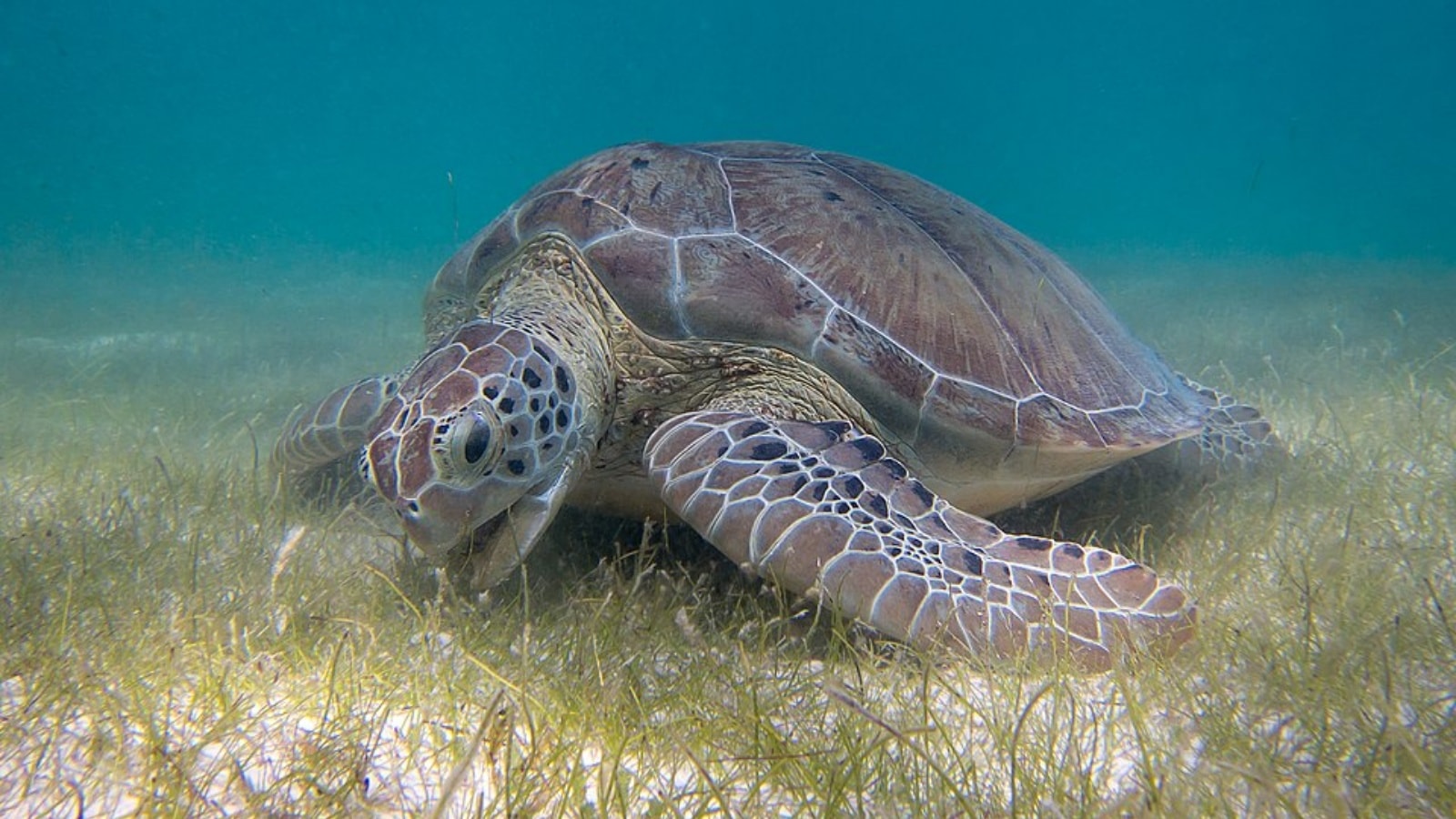
Green sea turtles are no longer considered endangered.
Their numbers have been increasing since the 1970s because people have been working hard to protect them.
This includes protecting their eggs, stopping illegal hunting, and using special tools in fishing to keep turtles safe.
However, they still face many dangers like climate change, which affects their homes and the number of baby turtles.
Even though they are doing better, they are not yet back to the numbers they had before people started hunting them a long time ago.

Green sea turtles' status improved from Endangered to Least Concern due to conservation efforts.
Global population increased by 28% since the 1970s.
Conservation efforts included protecting nesting beaches and reducing egg harvesting.
Climate change poses significant threats to their recovery, including altered sex ratios and habitat destruction.
Despite improvements, their numbers are still lower than pre-colonial and pre-hunting levels.
- Who
- Green sea turtles (Chelonia mydas)
- What
- Improvement in conservation status from Endangered to Least Concern
- When
- Reported in October 2025
- Where
- Tropical and subtropical oceans worldwide
- Why
- Due to sustained international conservation efforts over decades
- Species
- Green sea turtle (Chelonia mydas)
- Previous Status
- Endangered
- Current Status
- Least Concern
- Population Increase
- 28% since the 1970s
- Key Conservation Efforts
- Protected nesting beaches, reduced egg harvesting, Turtle Excluder Devices (TEDs)
- Major Threats
- Illegal harvesting, bycatch in fisheries, coastal development, climate change
- Impact of Climate Change
- Altered sand temperatures, sex ratio changes, habitat destruction