

Archive · 24 Dec 2025
Young Chinese Embrace Tree Hugging for Therapy
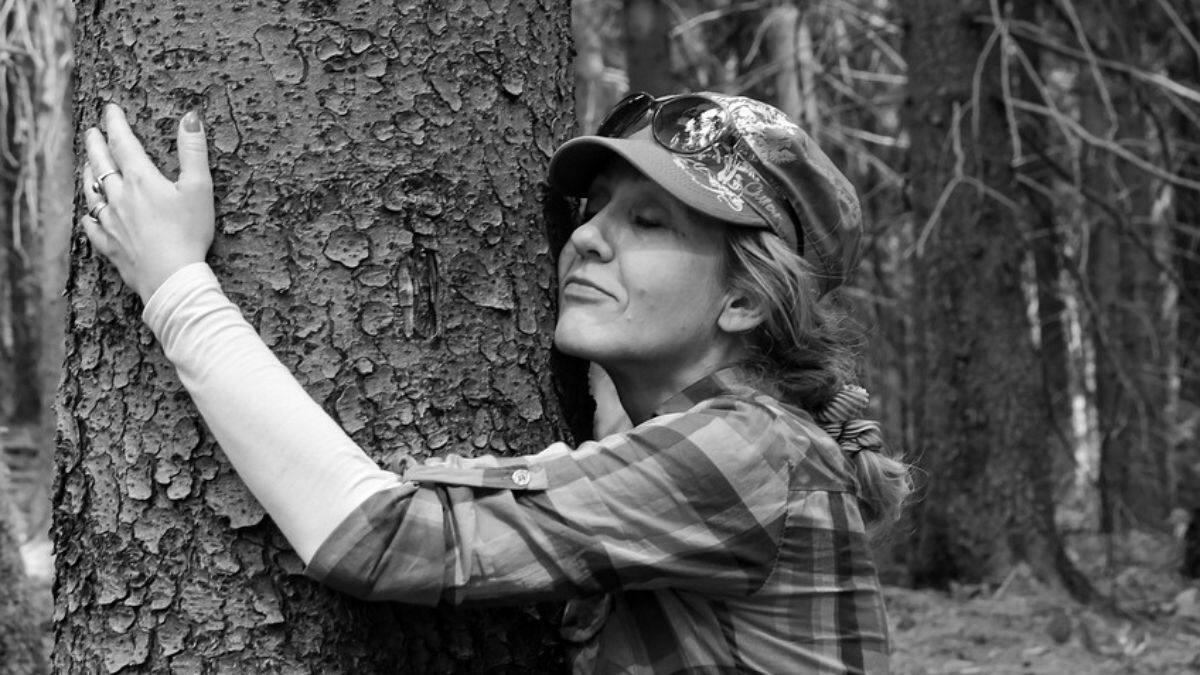
In Beijing, many young people, especially women, are hugging trees as a form of therapy.
This practice helps them feel less lonely and stressed, especially after the Covid pandemic.
A woman named Xiaoyang Wong leads these tree-hugging sessions.
She teaches people how to connect with trees by observing them and even pretending to be a tree.
The trees make people feel grounded and alive.
The government protects old trees by fencing them, but newer trees are available for hugging.
This activity helps young people explore themselves and build connections with others.

Young people in Beijing are embracing tree hugging as a form of therapy to combat loneliness and stress post-Covid.
Xiaoyang Wong, a forest therapist, leads sessions teaching people how to connect with trees through observation and touch.
More women than men participate in these forest therapy sessions, seeking both tree and human connections.
The local government fences ancient trees for protection, while newer trees are available for public interaction.
Unique practices like 'plant enactment' involve participants adopting tree personas and sharing associated gestures.
- Who
- Young people, particularly women, in Beijing, China
- What
- Tree hugging and forest therapy
- When
- Post-Covid pandemic
- Where
- Beijing, China
- Why
- To combat loneliness, stress, and seek connections
- Location
- Beijing, China
- Primary Practitioners
- Young women
- Initiator
- Xiaoyang Wong
- Activity
- Forest therapy and tree hugging
- Purpose
- Combating loneliness and stress
- Unique Practice
- Plant enactment
- Government Action
- Fencing ancient trees
- Research Status
- Ongoing, unpublished