

Archive · 8 Nov 2025
Understanding Your PAN Number: Structure and Significance in India
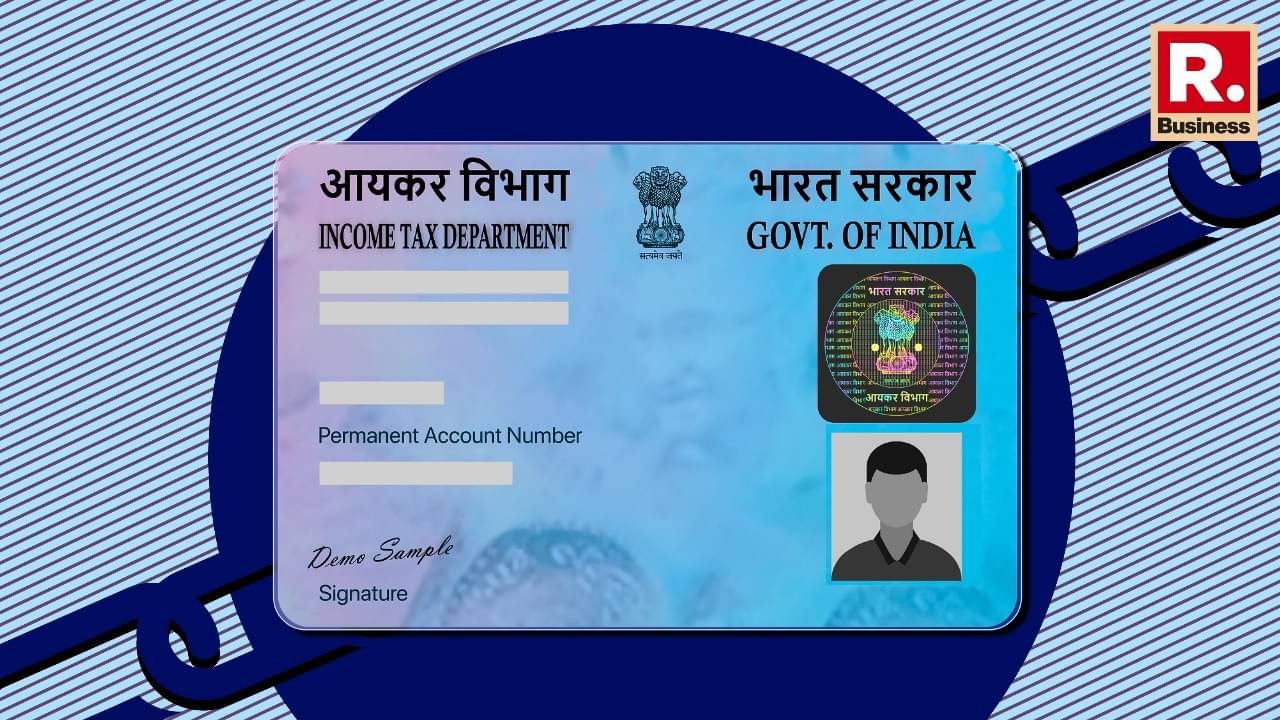
Imagine you have a special secret code that helps the government keep track of your money stuff in India.
This code is called a PAN number.
It's like a 10-digit ID card for your money.
The first few letters tell us where it came from, and the fourth letter tells us if it's for a person like you, a company, or a family.
The fifth letter usually tells us the first letter of your last name.
Then there are some numbers, and a final letter that's like a check to make sure the code is correct.
You need this code for lots of important things, like filing your taxes, opening a bank account, buying a house, or investing money.
It helps make sure everyone pays the right amount of tax and that big money moves are recorded.

A PAN is a 10-character alphanumeric code issued by India's Income Tax Department.
It is used to track financial dealings and ensure tax compliance for individuals and entities.
The PAN structure includes five letters, four digits, and a final check letter.
The fourth letter of a PAN indicates the type of entity (e.g., 'P' for individual, 'C' for company).
PAN is essential for various financial activities like tax filing, opening bank accounts, property deals, and investments.
- Who
- The Income Tax Department of India
- What
- Issues a 10-character alphanumeric Permanent Account Number (PAN) to individuals, businesses, and other entities.
- When
- The article does not specify a date, but implies it is an ongoing system.
- Where
- India
- Why
- To track financial dealings, ensure tax compliance, and facilitate various financial transactions.
- PAN Format
- 10-character alphanumeric code (5 letters, 4 digits, 1 letter)
- Issuing Authority
- Income Tax Department of India
- Purpose
- Tracking financial dealings and tax compliance
- Individual Holder Code
- P
- Company Holder Code
- C
- HUF Holder Code
- H
- PAN Validation
- NSDL e-Governance portal and Income Tax e-filing website