

Archive · 29 Jan 2026
Ladakh's Erased History of Dogra Rule
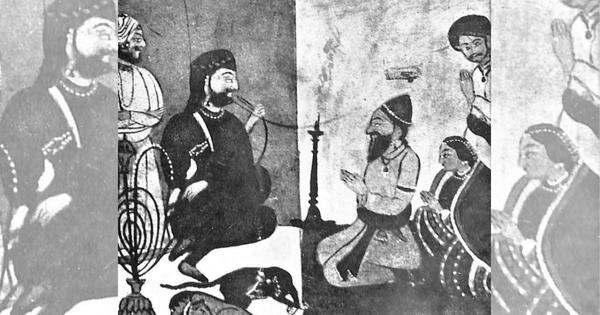
A long time ago, Ladakh was an independent kingdom.
But in the 1830s, a man named Gulab Singh and his army took over Ladakh.
They ruled it for more than a hundred years, until 1947.
During this time, many Ladakhis suffered, and many monks had to leave their homes.
The rulers took a lot of money from the people and did not help them much.
Even today, many Ladakhis do not talk about this time because it was very hard for them.
But some people think it's important to remember this history so that Ladakh can move forward and ask for more control over its own affairs.

Ladakh was an independent kingdom until the 1830s when it was colonized by the Dogra dynasty.
The Dogra rule lasted from 1834 to 1947, during which Ladakhis faced high taxes, forced labor, and humiliation.
Around 15,000 Ladakhis died during the conquest, and many monasteries were destroyed.
The Dogra regime is considered the darkest chapter in Ladakh's history, with a lasting psychological impact.
The demand for autonomy in Ladakh today is seen as an effort to regain power lost during the Dogra rule.
- Who
- Ladakhis, Dogra dynasty, Gulab Singh, Zorawar Singh Khaluria
- What
- Colonization of Ladakh by the Dogra dynasty, its impact, and the collective erasure of this period from Ladakh's memory
- When
- 1834 to 1947 (Dogra rule), 1834 (invasion), 1846 (Treaty of Amritsar)
- Where
- Ladakh, Jammu and Kashmir
- Why
- To understand the roots of Ladakh's political movement for self-governance and autonomy
- Period of Dogra Rule
- 1834 to 1947
- Ladakh's Status Before 1834
- Independent kingdom
- Ladakh's Status After 1846
- Province in Dogra-ruled Jammu and Kashmir
- Casualties During Conquest
- Around 15,000 Ladakhis
- Monks Fleeing
- Estimated 9,000 monks fled to Tibet
- Land Revenue in 1912-13
- Rs 152,621
- First Primary School in Leh
- Established at the turn of the 20th century
- Begar System
- Forced labor for officials