

Archive · 14 Dec 2025
Government Plans National Facial Recognition Expansion
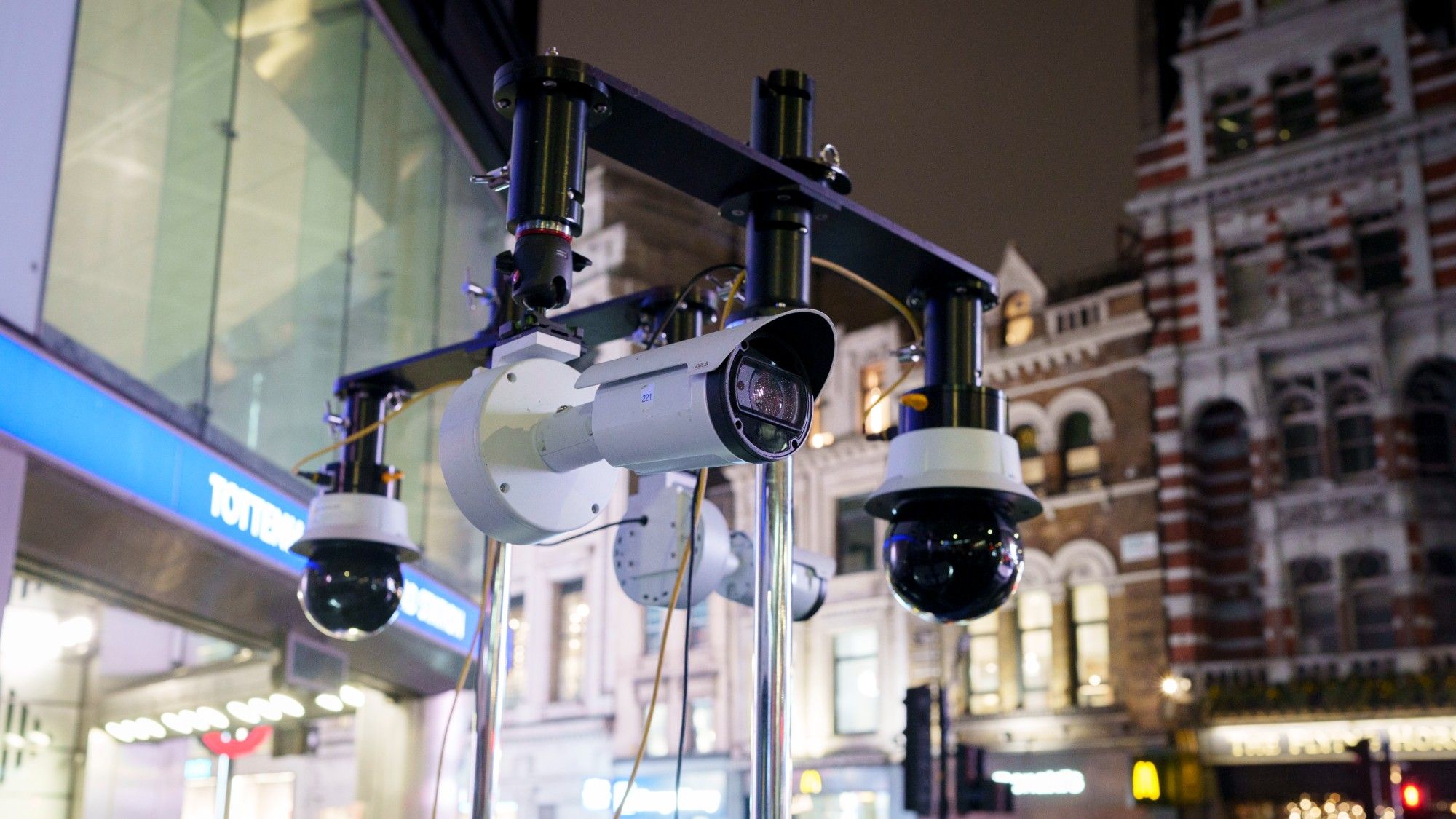
The UK Government is thinking about using facial recognition technology more widely in policing.
Right now, eight police forces use it to scan faces and find people who might have committed crimes.
The plan is to give all 43 police forces in England and Wales access to this technology and create a big database with faces from passports, driving licences, and pictures of people who have been in trouble with the law.
Some people think this is a good idea because it can help catch criminals and keep people safe.
Others are worried because it means the government could be watching everyone all the time, which feels like something out of a scary story.
There are also concerns about hackers getting hold of this sensitive information.
Some police forces already have rules to protect people's privacy, like deleting pictures that don't match anyone in their system.
But critics say there need to be more rules and safeguards before this technology is used more widely.

Eight police forces in the UK currently use live facial recognition to scan tens of thousands of faces daily.
The Government is considering expanding the technology to all 43 police forces in England and Wales.
A national face-matching system could include images from offenders, passports, and driving licences.
Proponents argue it enhances public safety and crime prevention, while opponents view it as a severe invasion of privacy.
Critics warn of hacking risks and the need for stronger regulations and oversight before wider rollout.
- Who
- The UK Government and police forces, privacy campaigners, and the public.
- What
- The potential expansion of live facial recognition technology for policing purposes.
- When
- The Government is currently considering the expansion, with no specific timeline provided.
- Where
- England and Wales, with potential nationwide implications.
- Why
- To enhance crime prevention and public safety, but with significant concerns about privacy and data security.
Proponents
Opponents
Privacy Concerns
Proponents
Proponents argue that facial recognition is necessary for public safety and crime prevention, especially at large events.
Opponents
Opponents view the widespread use of facial recognition as a severe invasion of privacy, turning the country into an 'open prison.'
Efficacy and Benefits
Proponents
Supporters highlight the technology's success in identifying offenders and suspects, freeing up police resources for other tasks.
Opponents
Critics argue that the benefits do not outweigh the risks to personal privacy and potential misuse of data.
Regulation and Oversight
Proponents
Proponents believe that with responsible use and strong safeguards, the technology can be beneficial.
Opponents
Opponents stress the need for strict regulations and oversight, comparing the current lack of regulation to the careful control of DNA use by police.
- Current Usage
- Eight police forces in the UK currently use live facial recognition.
- Potential Expansion
- The Government is considering expanding the use to all 43 police forces in England and Wales.
- Data Sources
- The national face-matching system could include images from offenders in custody, passports, and driving licences.
- Safeguards
- Some forces, like Luton, immediately delete faces captured by live recognition that don’t result in a match.
- Success Rate
- The Met has used facial recognition to find over 100 sex offenders who broke their bail conditions in the past two years.
- Hacking Risks
- Critics warn that a national database of faces could be vulnerable to hacking, as seen with recent breaches at M&S and Jaguar.