

Archive · 22 Jul 2026
Rising Mini Strokes in Young Adults
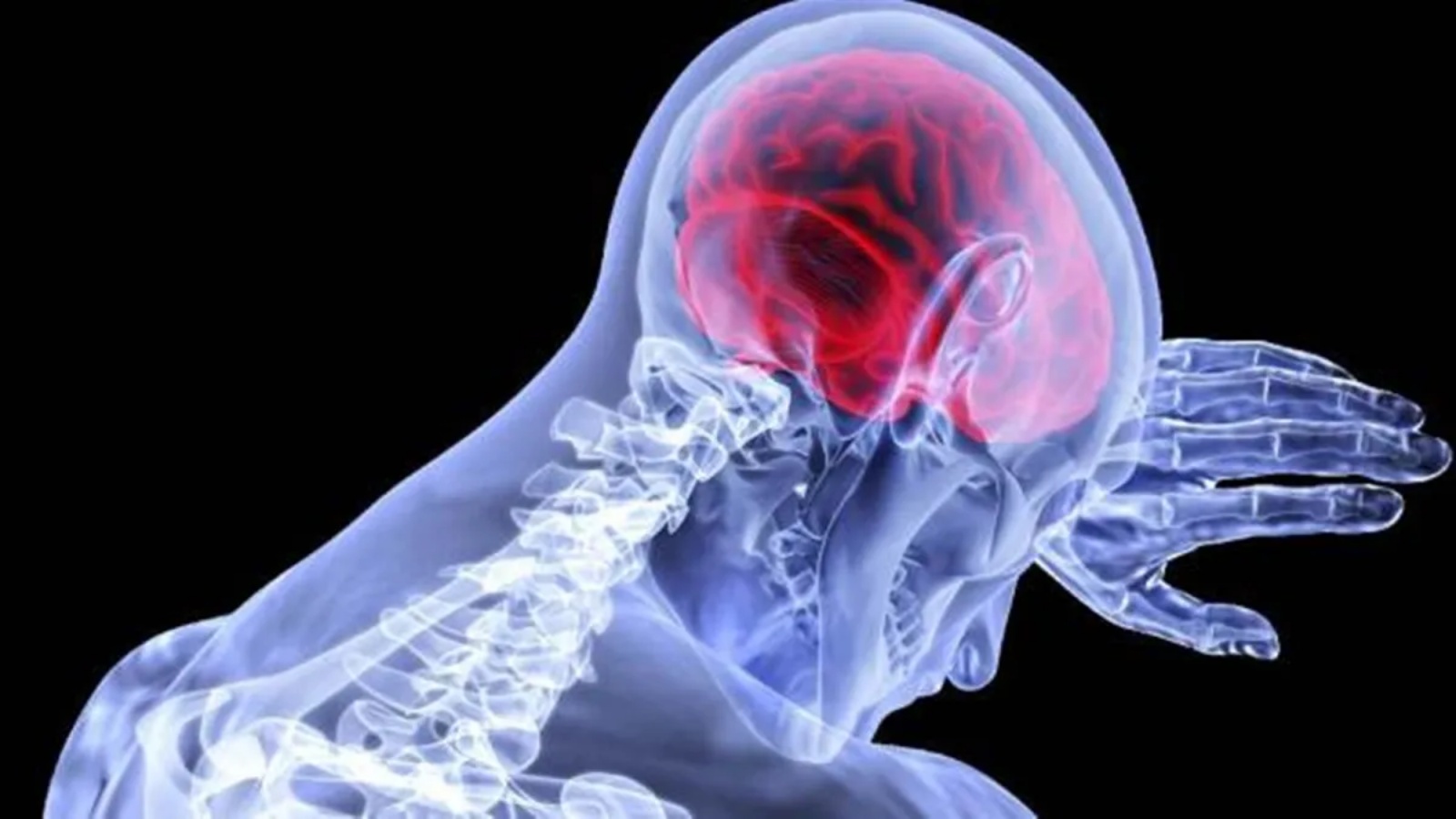
Mini-strokes, or Transient Ischemic Attacks (TIAs), are happening more often in young adults.
These occur when blood flow to the brain is briefly blocked but clears before causing permanent damage.
Symptoms include sudden weakness, numbness, difficulty speaking, blurred vision, dizziness, confusion, or a severe headache.
Many young adults ignore these symptoms, thinking they are just tired or stressed.
However, a mini-stroke is a serious warning sign that a major stroke could happen soon.
Lifestyle factors like smoking, high blood pressure, diabetes, obesity, and stress increase the risk.
To prevent mini-strokes, it's important to maintain a healthy lifestyle, get regular health screenings, and seek immediate medical attention if symptoms occur.
Treatment options include medications, clot removal procedures, and rehabilitation therapies.
Acting quickly can save brain tissue and prevent permanent disability.

Mini-strokes, or Transient Ischemic Attacks (TIAs), are becoming more common in young adults.
Symptoms include sudden weakness, numbness, difficulty speaking, blurred vision, dizziness, confusion, or severe headache.
Lifestyle factors like smoking, high blood pressure, diabetes, obesity, and stress increase the risk.
Early recognition and immediate medical attention are crucial to prevent a major stroke.
Prevention involves maintaining a healthy lifestyle, regular health screenings, and prompt treatment.
- Who
- Young adults, particularly those with lifestyle risk factors and underlying medical conditions.
- What
- An increase in mini-strokes among young adults, highlighting the importance of early recognition and treatment.
- When
- Currently, with a growing trend observed in recent years.
- Where
- Globally, with a significant rise in cases among young professionals.
- Why
- Due to lifestyle factors, underlying medical conditions, and delayed medical attention.
Lifestyle Changes
Medical Treatment
Prevention
Lifestyle Changes
Adopting healthy lifestyle changes can significantly reduce the risk of mini-strokes.
Medical Treatment
Medical treatments like blood-thinning medications and clot removal procedures are crucial for managing and preventing strokes.
- Definition
- A mini-stroke, or Transient Ischemic Attack (TIA), occurs when blood flow to the brain is temporarily blocked but clears before causing permanent damage.
- Symptoms
- Sudden weakness, numbness, difficulty speaking, blurred vision, dizziness, confusion, or severe headache.
- Risk Factors
- Smoking, high blood pressure, diabetes, obesity, high cholesterol, physical inactivity, excessive alcohol intake, chronic stress, and poor sleep.
- Prevention
- Maintaining healthy blood pressure, blood sugar, and cholesterol levels, avoiding tobacco, exercising regularly, eating a balanced diet, and managing stress.
- Treatment
- Blood-thinning medications, clot-dissolving drugs, mechanical thrombectomy, and rehabilitation therapies.