

Archive · 16 Nov 2025
Gastroenterologist Rates Popular Indian Snacks by Gut Health Impact
Imagine your tummy is like a garden.
Some snacks are like good fertilizer for your garden, helping the good bugs inside your tummy grow strong.
These are things like sundal, which has lots of fiber and good stuff for your tummy.
Other snacks can be like weeds, making it hard for the good bugs to live and sometimes making your tummy feel yucky, like with bloating or pain.
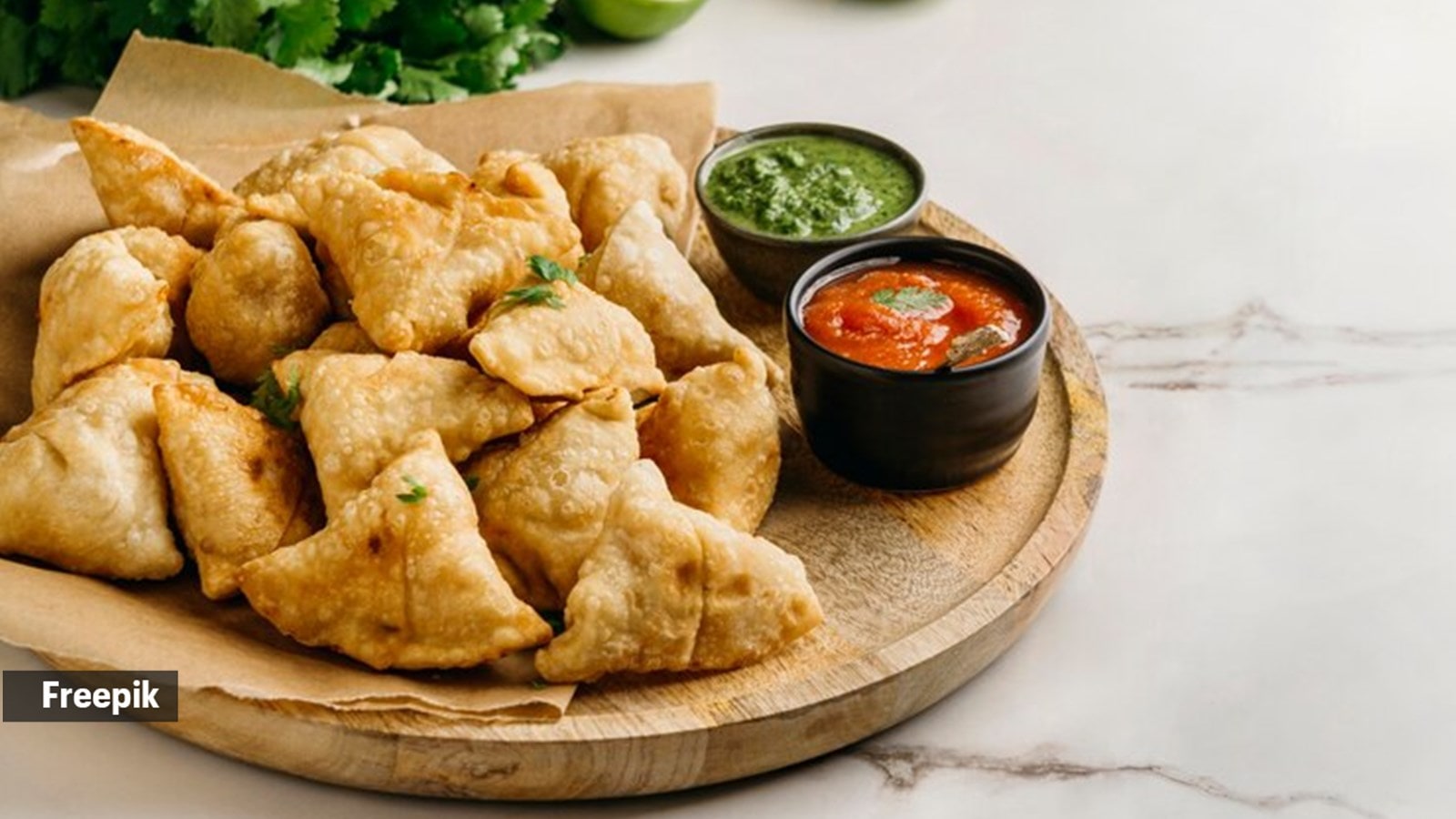
Snacks like momos (steamed) or roasted corn are okay, but fried and processed snacks loaded with fats and weird ingredients can cause problems.
It's best to make snacks at home when you can, so you know what's in them.
Even with good snacks, eating too much can sometimes bother your tummy, so a little bit of everything is usually the best way!

Gastroenterologist Dr. Pal Manickam ranked 10 Indian snacks by gut health impact.
Pani Puri ranked low due to potential water contamination and harmful oils.
Bhujia and Namkeen are high in preservatives and refined oils, potentially disturbing gut health.
Steamed momos and baked khakra are considered healthier options with added fiber.
Sundal (soaked and cooked legumes) is rated as the best snack for gut health due to its fiber and prebiotic content.
- Who
- Gastroenterologist Dr. Pal Manickam and nutritionists Meenu Balaji and CV Aishwarya
- What
- Ranking of 10 popular Indian snacks based on their impact on gut health.
- When
- Implied recent as nutritionist reactions are included.
- Where
- India (implied by the snacks discussed).
- Why
- To inform the public about healthier snack choices for gut health.
- Worst Rated Snack
- Pani Puri (potential water contamination, harmful aldehydes from reused oil)
- Best Rated Snack
- Sundal (Soaked & Cooked Legumes - high fiber, prebiotics, protein)
- Common Issue with Fried Snacks
- Harmful compounds from reused oil, harder to digest, can cause bloating/acidity
- Refined Flour Impact
- Lacks fiber, slows digestion, can cause abdominal discomfort
- Expert Advice
- Moderation, home preparation, ingredient awareness, and individual tolerance are key