Archive · 7 Sep 2026
ISRO Rejects Privatisation Claims Amid Push for Private Space Growth
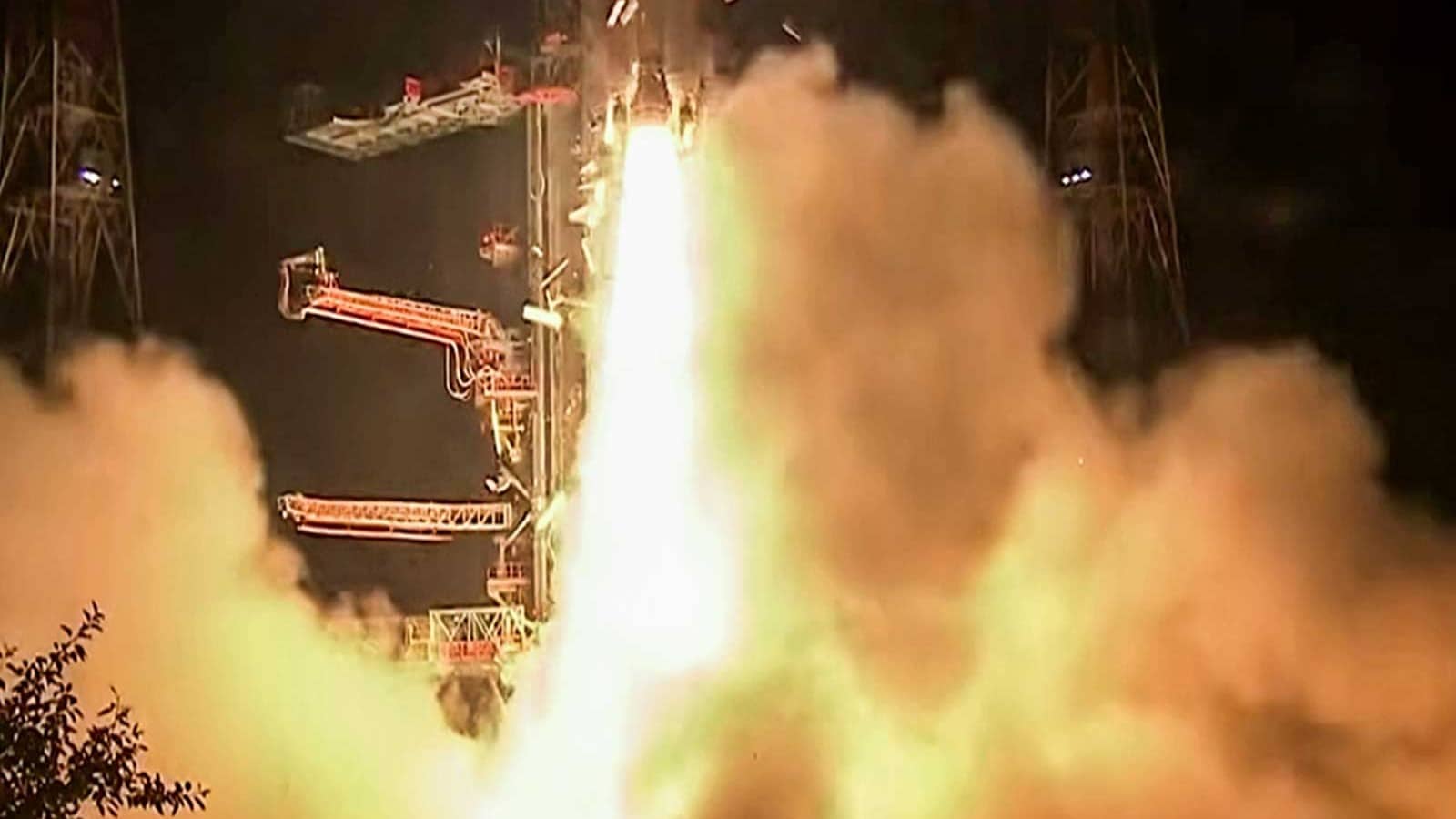
ISRO is India’s government space agency.
It said it will not be sold or made less important.
Private companies may help build mature rockets, satellites and other space systems in larger numbers.
ISRO says this will allow its scientists to focus on difficult projects such as human spaceflight, new launch vehicles and missions to the Moon and planets.
The government will continue to own and control critical space infrastructure and strategic capabilities.
IN-SPACe will help approve private participation, while NewSpace India Limited will help commercialise established technologies.
Nine employee groups worried that too much manufacturing and operational work could move away from ISRO.
They asked how this could affect the agency’s future role, employees and recruitment.
ISRO and reform supporters say the goal is a larger space ecosystem, not privatisation.

ISRO said claims that it will be privatised or made less important are “completely baseless and incorrect.”
The agency said it will remain responsible for advanced research, strategic missions, space science and frontier capabilities.
Private companies and public-sector undertakings may scale mature launch vehicles, satellites and other established systems.
Nine ISRO employee associations sought clarification about transferring manufacturing and operational functions to private entities.
India has more than 450 space start-ups and aims to grow its space economy from about $8.4 billion to $44 billion by 2033.
- Who
- The Indian Space Research Organisation, Pawan Goenka, nine ISRO employee associations, the Department of Space, IN-SPACe, NewSpace India Limited and private space companies.
- What
- ISRO clarified that private-sector participation and space-sector reforms will not privatise the agency or diminish its importance.
- When
- ISRO issued its clarification on September 6, 2026, two days after the employee associations submitted their representation.
- Where
- India’s space sector, including ISRO’s centres and associated institutions.
- Why
- The reforms are intended to let industry scale mature technologies while ISRO concentrates on advanced research, strategic capabilities and complex national missions.
ISRO and Reform Supporters
Employee Associations’ Concerns
Effect of private participation
ISRO and Reform Supporters
Private participation will expand India’s space ecosystem and allow ISRO to focus on frontier research, advanced technologies and strategic missions.
Employee Associations’ Concerns
Employee associations sought clarity on whether transferring manufacturing and operational responsibilities could reduce ISRO’s future role.
Transfer of mature technologies
ISRO and Reform Supporters
ISRO said technology transfers can support large-scale production, commercialisation, innovation and global-market access without meaning the agency is withdrawing from those areas.
Employee Associations’ Concerns
The associations said ISRO-developed technology is a national asset and that transfers should be transparent, accountable and consistent with strategic, safety and employment considerations.
Public-sector responsibility
ISRO and Reform Supporters
ISRO and Pawan Goenka said private companies or public-sector undertakings can produce established launch vehicles, satellites and systems while ISRO advances complex national capabilities.
Employee Associations’ Concerns
The associations warned against reducing ISRO to a “residual R&D boutique” while the realisation of launch vehicles and operation of launch infrastructure move outside public hands.
- ISRO’s stated status
- ISRO said it will neither be privatised nor have its importance diminished.
- Reform framework
- Space-sector reforms began in 2020 and were institutionalised through the Indian Space Policy 2023.
- Employee representation
- Nine employee associations wrote to Chairman V Narayanan on September 4 seeking clarification about possible transfers of manufacturing and operational functions.
- Future missions
- India aims to establish the Bharatiya Antariksh Station by 2035 and undertake an Indian crewed mission to the Moon by 2040.
- Space-sector growth
- India has more than 450 space start-ups, compared with only a handful in 2020.
- Economic target
- India’s space economy is estimated at about $8.4 billion, with a target of $44 billion by 2033.
- Launch target
- Pawan Goenka said India is aiming for 50 launches annually by 2030.
- Institutional roles
- The Department of Space provides policy direction; ISRO leads advanced research and national missions; IN-SPACe facilitates non-government participation; and NewSpace India Limited handles commercialisation.
Sources
ISRO denies privatisation claims, know what it said

ISRO’s role ‘by no means diminishing’: Space agency, Pawan Goenka address staff’s privatisation concerns
'Completely Baseless and Incorrect': ISRO Rejects Reports of Privatisation, Says Its Importance Will Never Diminish