Archive · 6 Sep 2025
GST Reform: States' Fiscal Autonomy Concerns Rise
The GST (Goods and Services Tax) is being updated, and some changes are coming.
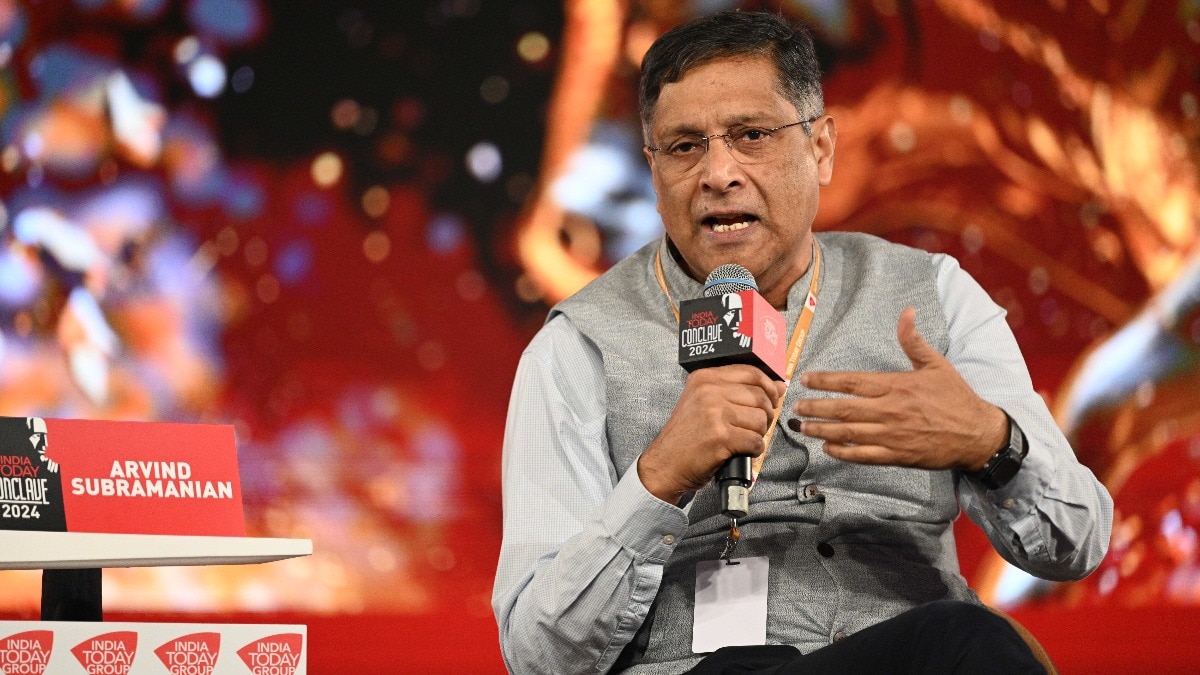
A former top advisor, Arvind Subramanian, is worried that the GST is taking away financial power from the states, which is hurting how the country runs.
The GST Council decided to lower the tax on things like soap and bicycles to make them cheaper.
While this is good for people, it might cost the government a lot of money.
Subramanian says things are still not as simple as they should be.
He also thinks the 'inspector Raj' has persisted.

Former CEA Arvind Subramanian expresses concern over GST's impact on states' fiscal autonomy.
Subramanian notes revenue performance and cooperative federalism are not as strong as before.
GST Council approves a dual-rate structure of 5% and 18% to reduce household levies.
The rate changes will affect items such as hair oil, soap bars, shampoos, and bicycles.
Revenue Secretary estimates a net fiscal implication of about ₹48,000 crore.
- Who
- Arvind Subramanian, GST Council
- What
- GST reform and its impact on states' fiscal autonomy.
- When
- September 2024
- Where
- India
- Why
- Concerns over states' loss of fiscal sovereignty and potential revenue implications.
Concerns over GST
GST Reforms
Fiscal Autonomy
Concerns over GST
GST erodes states' fiscal autonomy.
GST Reforms
GST Council eases household levies
- Key Figure
- Arvind Subramanian, Former CEA
- GST Reform
- Dual-rate structure of 5% and 18%
- Items Affected
- Hair oil, soap, shampoo, bicycles, etc.
- Effective Date
- September 22
- Revenue Loss Estimate
- ₹48,000 crore (2023-24 consumption)