3 hrs ago
Indonesia Wildfires Threaten Ancient Peatlands and Release Carbon
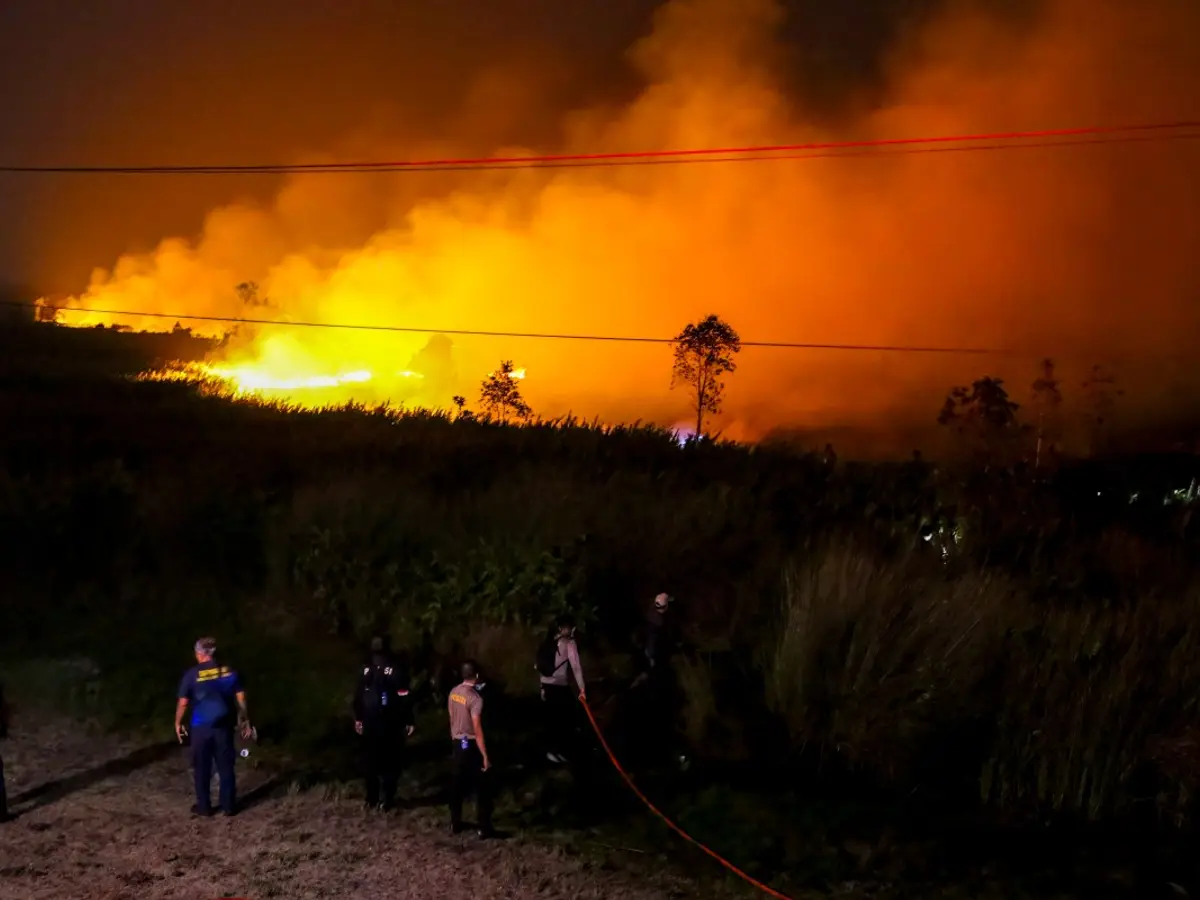
Fires are burning forests and peatlands in Indonesia.
Peat is soil made from very old plants that have stored carbon for thousands of years.
When peat burns, that carbon can quickly become gases that warm the planet.
The fires are happening in Borneo, where some peat deposits are more than 20 metres deep.
Smoke has spread to several nearby countries.
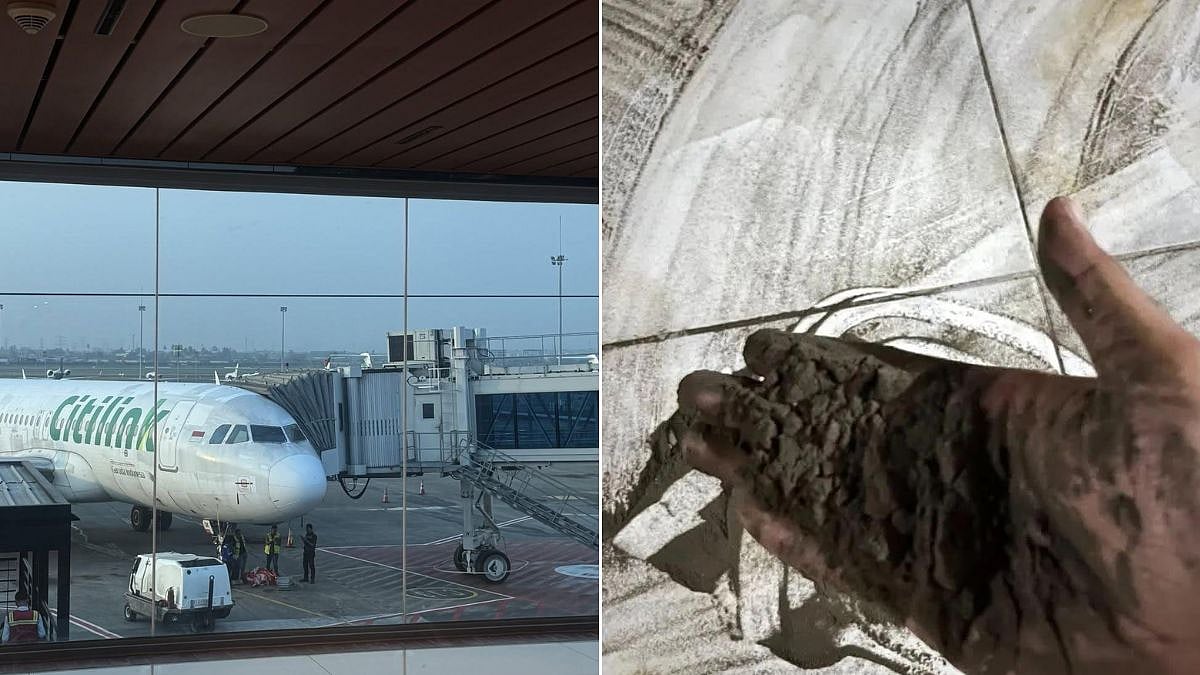
The air pollution has become much worse than health guidelines recommend.
Many people in Indonesia have developed respiratory infections, including thousands of children.
Firefighters are digging ponds and canals to help put out fires that are burning underground.

Wildfires are burning through about 4.5 million hectares of forest in Indonesian Borneo.
Peatlands deeper than 20 metres may contain more than 6,000 tonnes of ancient carbon.
Nearly 200,000 hectares of forest and farmland have already released large amounts of carbon.
Smoke has spread across Brunei, Malaysia, Singapore and the Philippines, with pollution reaching 75 times World Health Organization recommendations.
Indonesia recorded 50,000 respiratory infections between July and August, including 12,000 cases involving children.
- Who
- Wildfires, Indonesian scientists, health officials and volunteer firefighters are involved; residents across Indonesia and nearby countries are affected.
- What
- Wildfires are burning tropical peatlands and releasing carbon dioxide, carbon monoxide and methane while creating widespread hazardous haze.
- Where
- The main fires are in Kalimantan, Indonesian Borneo, with haze reaching Brunei, Malaysia, Singapore and the Philippines.
- When
- The fires and health impacts are reported during the period when 50,000 respiratory infections were recorded between July and August.
- Why
- Burning peatlands release carbon accumulated over thousands of years and produce smoke and toxic gases that threaten public health.
Key facts
- Affected forest area
- About 4.5 million hectares of forest are being threatened by the fires.
- Carbon depth
- Peat deposits in parts of Kalimantan exceed 20 metres in depth.
- Carbon estimate
- Some deposits could contain more than 6,000 tonnes of carbon.
- Land already affected
- Nearly 200,000 hectares of forest and farmland have released large amounts of carbon.
- Pollution level
- Air pollution reached 75 times World Health Organization recommendations.
- Respiratory infections
- Indonesia recorded 50,000 cases between July and August, including 12,000 children.
- Firefighting response
- Volunteer firefighters are digging ponds and canals to create improvised irrigation systems for subterranean fires.
Quotes
Dr Nisa Novita
Peatland researcher at the Indonesian conservation NGO Yayasan Konservasi Alam Nusantara
“Tropical peatlands in Indonesia are among the world's most effective natural carbon stores”
 wionews.com
Sources
Related news

Indonesia Wildfires Intensify as El Niño Raises 2015 Fears

Indonesia Arrests 72 as Forest-Fire Haze Reaches Malaysia
Orangutan Rescued From Borneo Fire Zone Battles Respiratory Illness

Indonesian Fires Trigger Regional Haze Alerts, School Closures
Indonesia Opens Airspace for Malaysia’s Cloud Seeding Against Haze
Malaysia Declares Emergency in Sarawak District Over Hazardous Haze

September 7, 2026 News: Courts, Sports, Flights and Education

BRICS Timeline: From Economic Acronym to Global South Forum

Jindal Stainless and JFE Steel Sign Ferritic Steel Pact

Karan Singh Wins Bali ITF M15 Title, Third of 2026