Archive · 13 Dec 2025
India's Renewable Energy Capacity Surges in 2025
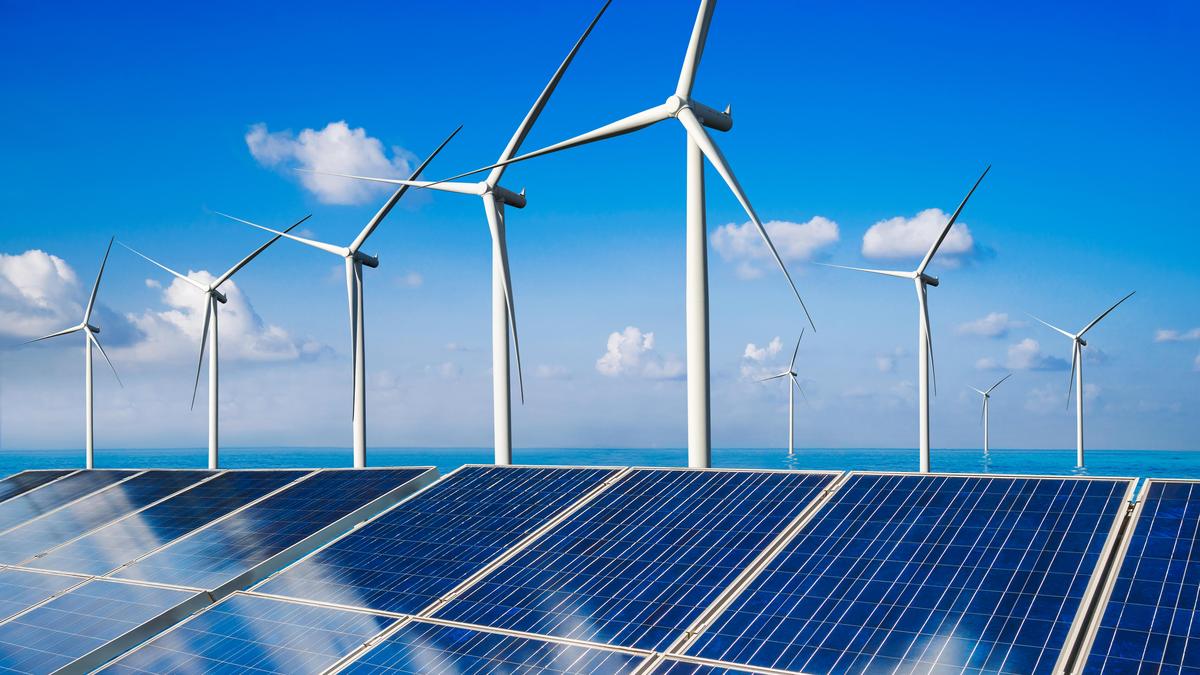
India has added a lot of new solar and wind power in the first eight months of this year.
They added 27 GW of solar power and 3.9 GW of wind power.
This is more than they added in the whole last year.
In total, India now has 262.73 GW of power from non-fossil fuels, which is more than half of their total power capacity.
The states of Rajasthan and Gujarat have the most renewable energy capacity.
This is good for the environment because it means less pollution from fossil fuels.
However, the textile sector, which is using more renewable energy, is also using more energy overall.
This is because they are making more products and using more energy-intensive processes.
Some companies are reporting their emissions, but many are not, which is a concern for sustainability.

India added 27 GW of solar and 3.9 GW of wind power capacity in April-November 2025.
Total non-fossil fuel addition in the first eight months of 2025 is 35.66 GW.
Total solar capacity stands at 132.8 GW, and wind capacity at 53.9 GW as of October 2025.
India's total non-fossil fuel-based power capacity is 262.73 GW, 52% of the total electricity generation capacity.
Rajasthan and Gujarat lead in installed renewable energy capacity with 41.7 GW and 41.6 GW respectively.
- Who
- India
- What
- Added record renewable energy capacity and improved sustainability in the textile sector
- When
- April-November 2025
- Where
- India
- Why
- To increase non-fossil fuel-based power capacity and enhance sustainability in the textile industry
Pro-Renewable Energy
Environmental Concerns
Renewable Energy Adoption
Pro-Renewable Energy
India has significantly increased its renewable energy capacity, with 27 GW of solar and 3.9 GW of wind power added in the first eight months of 2025.
Environmental Concerns
Despite the increase in renewable energy, the energy intensity in the textile sector has risen, indicating higher energy consumption per unit of revenue.
Energy Intensity
Pro-Renewable Energy
The shift to renewable energy has led to a reduction in greenhouse gas emission intensity in some segments, indicating efficiency gains.
Environmental Concerns
The apparel segment saw a 28% rise in energy intensity, driven by increased production and energy-intensive processes, raising concerns about sustainability.
Scope 3 Emissions Reporting
Pro-Renewable Energy
The textile sector is making progress in renewable energy adoption and carbon reduction, with some companies reporting Scope 3 emissions data.
Environmental Concerns
Only 21% of sampled companies reported Scope 3 emissions data, highlighting gaps in comprehensive sustainability reporting and the need for improved transparency.
- Solar Capacity Added (April-November 2025)
- 27 GW
- Wind Capacity Added (April-November 2025)
- 3.9 GW
- Total Non-Fossil Fuel Addition (April-November 2025)
- 35.66 GW
- Total Solar Capacity (as of October 2025)
- 132.8 GW
- Total Wind Capacity (as of October 2025)
- 53.9 GW
- Total Non-Fossil Fuel-Based Power Capacity (as of October 2025)
- 262.73 GW
- Percentage of Non-Fossil Fuel in Total Capacity
- 52%
- Top State in Renewable Energy Capacity
- Rajasthan (41.7 GW)
- Renewable Energy Share in Textile Sector (FY25)
- 18%
- Energy Intensity Increase (FY25 vs. FY23)
- 6–8%
- Emission Intensity Reduction (Integrated Segment)
- 5%
- Scope 3 Emissions Reporting Coverage (FY25)
- 21%