

Archive · 5 Dec 2025
TSPL's Biofuel Ecosystem Cuts Stubble Burning in Punjab
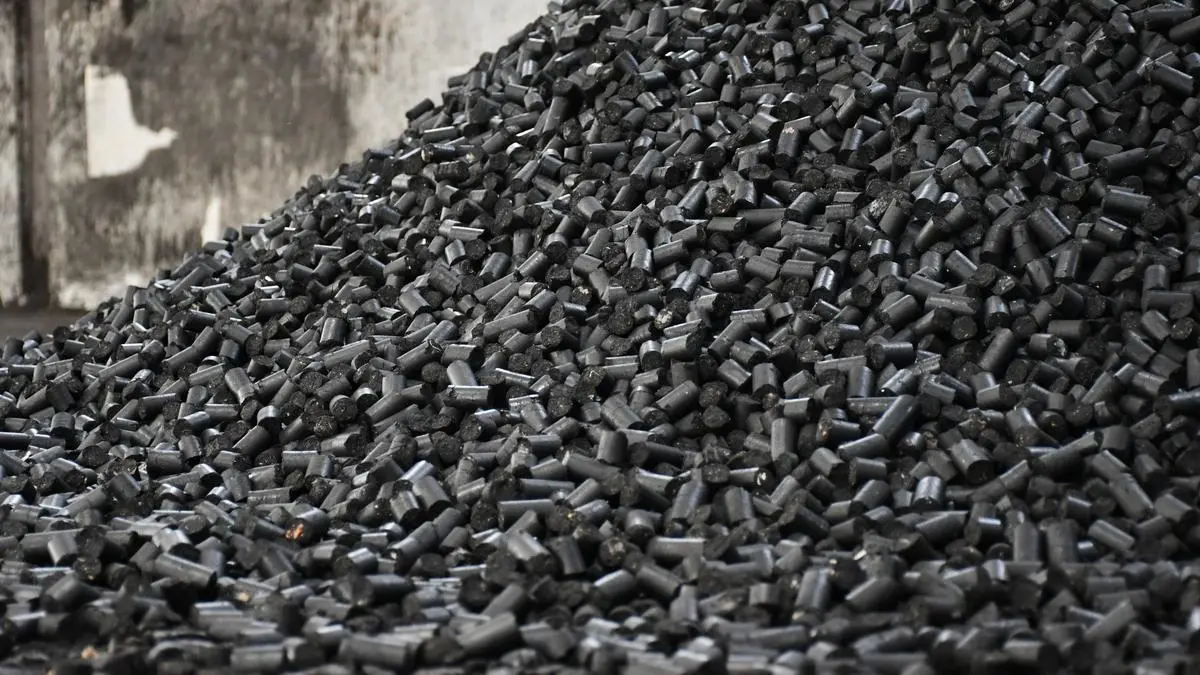
Talwandi Sabo Power Ltd (TSPL), a big power plant in Punjab, has set up a system to turn farm waste into clean energy.
This has helped reduce the number of farm fires where people burn leftover crop stubble.
In just two years, the number of these fires in Mansa district went down by 87%.
TSPL built a big plant to make special fuel pellets from paddy straw, which farmers can sell instead of burning.
This has made the air cleaner and helped farmers earn money.
The company is working with farmers and partners to make this system work better and reduce pollution.

TSPL's circular biofuel ecosystem in Punjab has reduced stubble burning by 87% in two years.
Mansa district saw a decline in stubble burning incidents from 2,253 in 2023 to 306 in 2025.
TSPL set up Punjab's largest torrefied bio-pellet manufacturing facility with a capacity of 500 tonnes per day.
Over 2,50,330 tonnes of biomass have been co-fired as of November 30, 2025, achieving 5.07% of the year-to-date target.
The initiative has improved air quality and reduced seasonal smog in Punjab and the NCR.
- Who
- Talwandi Sabo Power Ltd (TSPL), Vedanta Power, farmers in Mansa, Punjab
- What
- Implementation of a circular biofuel ecosystem to reduce stubble burning and improve air quality
- When
- Stubble burning incidents reduced from 2,253 in 2023 to 306 in 2025
- Where
- Mansa district, Punjab, India
- Why
- To reduce stubble burning, improve air quality, and create an economic incentive for farmers to sell paddy straw instead of burning it
- Company
- Talwandi Sabo Power Ltd (TSPL)
- Location
- Mansa, Punjab
- Stubble Burning Reduction
- 87% in two years
- Biofuel Plant Capacity
- 500 tonnes per day
- Biomass Co-fired
- 2,50,330 tonnes (as of November 30, 2025)
- Co-firing Target
- 5.07% achieved year-to-date
- Villages with Zero Farm Fires
- 104 out of 244 in 2025
- Stubble Burning Cases
- 306 in 2025, down from 2,253 in 2023