

Archive · 9 Dec 2025
Dentist warns against improper toothbrush storage
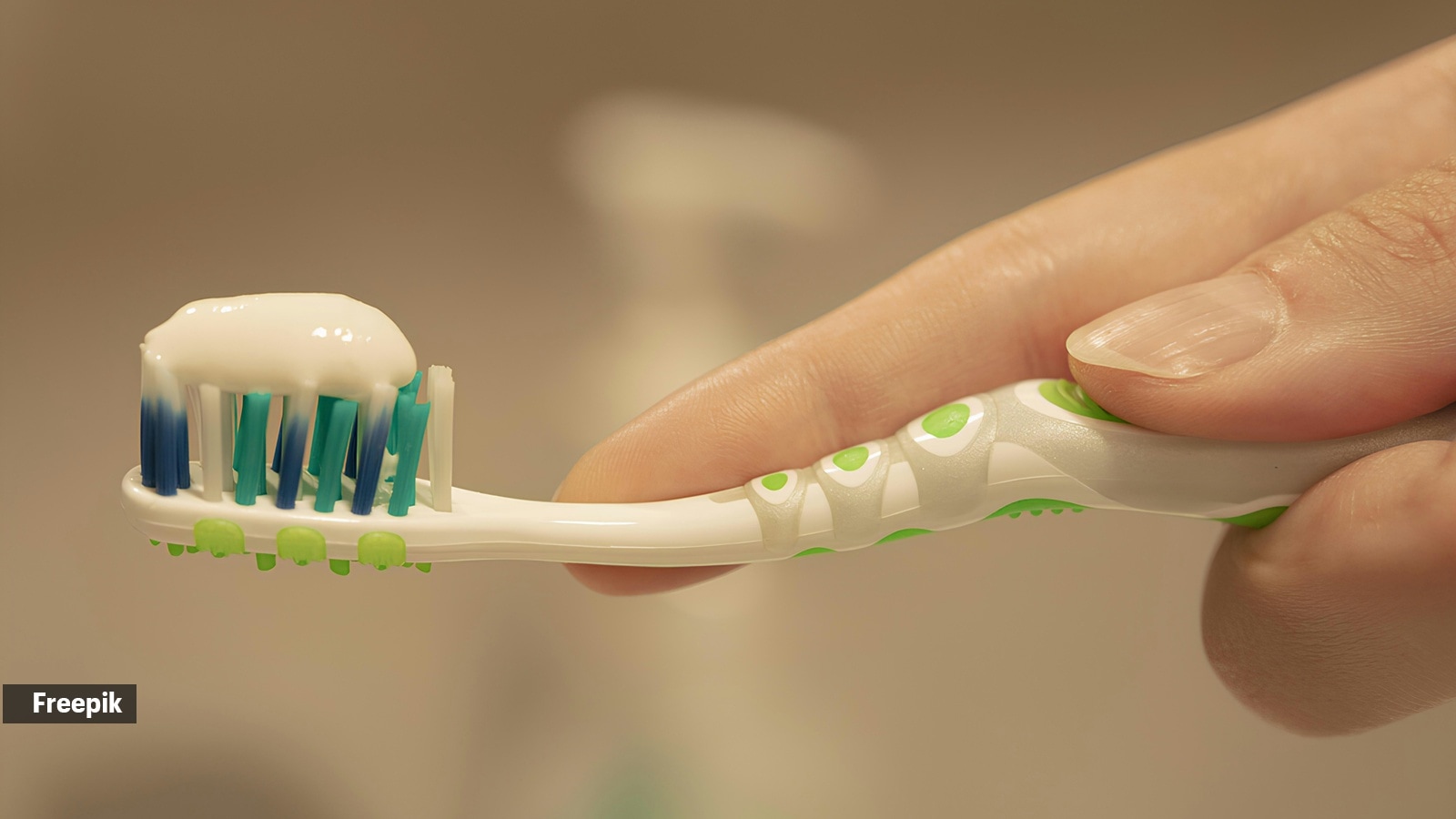
Dentists say how you store your toothbrush is very important.
If you put it in a drawer or cover it, bacteria can grow and make you sick.
The best way is to rinse it, tap it dry, and let it air dry in an open place.
Keep it away from the toilet and sink.
If you share a bathroom, make sure brushes don't touch.
You can also dip the brush in mouthwash to clean it.
Change your toothbrush every few months or when the bristles look worn.

Improper toothbrush storage can lead to bacterial overgrowth and health risks.
Dentists recommend rinsing, tapping dry, and air drying toothbrushes.
Enclosed storage like drawers or covers can turn toothbrushes into bacterial incubators.
Common bacteria on toothbrushes include Staphylococcus, Pseudomonas, and Candida.
Health risks range from tooth decay and gum disease to pneumonia and stomach infections.
- Who
- Dentist Dr Miles Madison and prosthodontist Dr Niyati Arora
- What
- Improper toothbrush storage can lead to bacterial overgrowth and health risks
- When
- Not specified
- Where
- Not specified
- Why
- Enclosed storage and lack of air circulation promote bacterial growth
- Common bacteria on toothbrushes
- Staphylococcus, Lactobacillus, Pseudomonas, Klebsiella, E. coli, Candida
- Health risks
- Tooth decay, gingivitis, periodontitis, oral thrush, pneumonia, sepsis, stomach infections, UTI
- Proper storage advice
- Rinse, tap dry, air dry, avoid enclosed spaces, keep away from toilet and sink
- Disinfection method
- Dip brush head in anti-microbial mouthwash
- Replacement frequency
- Every 3-4 months or when bristles are frayed, discoloured, or worn