

Archive · 8 Aug 2025
Experts Question Saffron's Role in Mental Health Treatment
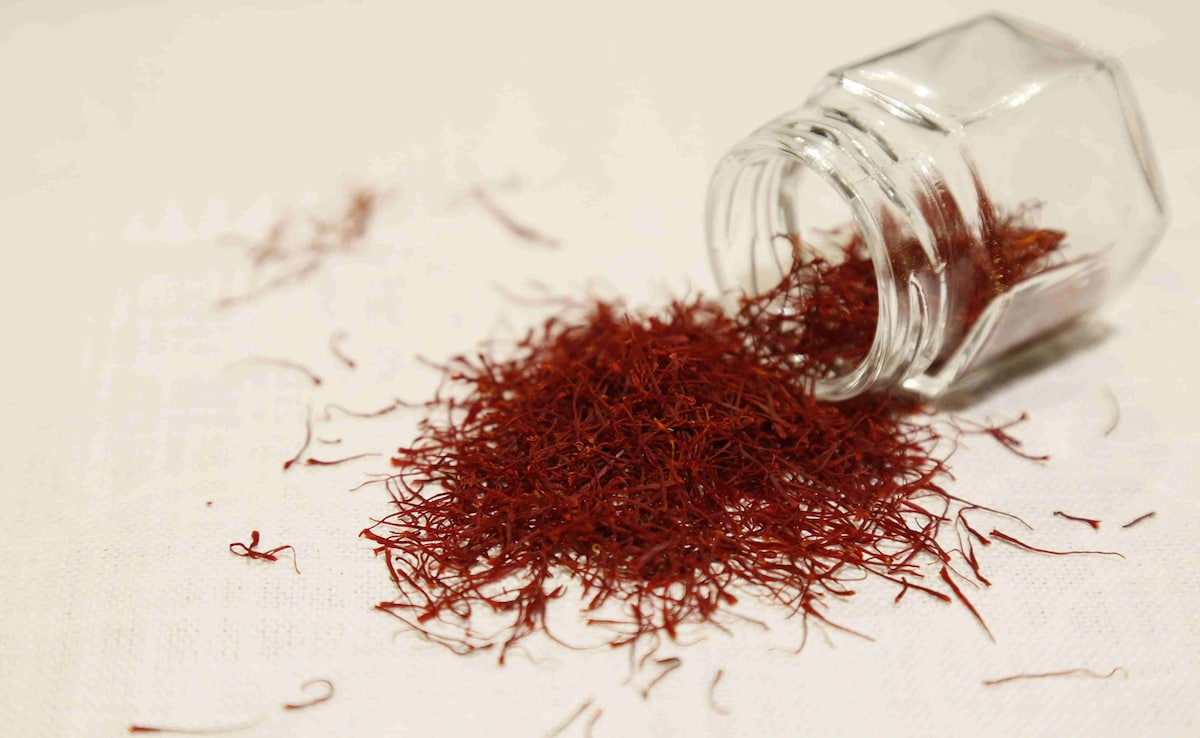
Some people online are saying saffron can help with mood and anxiety.
Saffron has special stuff in it that might affect chemicals in your brain that control how you feel.
Some small studies show saffron might help with mild depression, but we need more research.
Saffron is generally safe if you use a little, but too much can make you sick.
Doctors say saffron is not a replacement for real treatment for mental health, like seeing a therapist or taking medicine.
Saffron may also improve sleep and periods.
So, saffron might help a little, but it's not a cure-all.

Saffron is being marketed as a natural remedy for mental health issues like anxiety and depression.
Experts note saffron contains compounds that may influence mood-regulating neurotransmitters.
Some studies suggest saffron can improve depressive symptoms, but more research is needed.
Overconsumption of saffron can cause side effects, and it may interact with medications.
Experts emphasize that saffron should not replace professional mental health treatment.
- Who
- Experts, health coaches, and social media users.
- What
- Saffron's potential as a natural treatment for mental health.
- When
- Ongoing, with increasing attention in recent years.
- Where
- N/A
- Why
- Growing interest in holistic, non-pharmaceutical mental health solutions.
Enthusiasts
Skeptics
Effectiveness
Enthusiasts
Saffron is a natural, effective remedy for mood improvement and anxiety.
Skeptics
Saffron should not replace professional mental health treatment; more research is needed.
Safety
Enthusiasts
Saffron is a safe and harmless supplement.
Skeptics
Overconsumption of saffron can cause adverse effects.
- Active Compounds
- Crocin and safranal
- Reported Benefits
- Improved mood, reduced anxiety, better sleep
- Potential Side Effects
- Dizziness, nausea, allergic reactions
- Market Value
- USD 602.2 million (2023)
- Expert Recommendation
- Adjunct, not replacement for professional treatment