

1 day ago
Swiss Retiree’s ‘Hectic’ Life Challenges India’s Work-Life Norms

Manuraaj Garg met a retired Swiss man while traveling in Vietnam.
The man said his old job required seven to nine hours of work on most days.
He called this lifestyle very hectic.
Garg thought it sounded like the work-life balance many Indian workers want.
The Swiss man retired at 55 and now spends more time golfing, exercising, sleeping, and traveling.
He was enjoying a slow morning while Garg was checking work email.
Garg said he had planned to stay in Vietnam for three weeks, but he actually had only four nights because he needed to return to work.
Many people online agreed that workers in India often struggle to take real breaks.
Others said long hours may be necessary for people who cannot afford to stop working.

Manuraaj Garg met an older Swiss couple in a Hanoi hotel lobby during a trip to Vietnam.
The retired Swiss man said he had worked seven to nine hours most days as a corporate lawyer in Germany.
He retired at 55 and considered that age relatively late.
His former routine included weekly golf, gym sessions three times a week, and about seven hours of sleep.
Social media users debated whether India’s long hours reflect cultural conditioning or economic necessity.
- Who
- Manuraaj Garg, an Indian investment professional, and an older Swiss couple, including a retired corporate lawyer.
- What
- A conversation about work hours, retirement, travel, and differing ideas of work-life balance.
- Where
- A hotel lobby in Hanoi, Vietnam.
- When
- During Garg’s recent trip to Vietnam; the encounter occurred at 9 AM, but no date was specified.
- Why
- The conversation highlighted contrasting attitudes toward work, leisure, retirement, and the pressures faced by Indian professionals.
Life-first perspective
Necessity-first perspective
Meaning of a hectic schedule
Life-first perspective
Several social media users said seven to nine hours of work, regular exercise, adequate sleep, and retirement at 55 sounded like an attractive work-life balance compared with conditions many Indians experience.
Necessity-first perspective
Another user questioned whether Indian workers truly lack the ability to stop working, arguing that many people simply do not have the economic luxury to do so.
Why Indian workers work long hours
Life-first perspective
Some commenters said Indian culture has become focused on hustle, risk avoidance, and optimizing for money rather than life.
Necessity-first perspective
Other commenters said corporate culture and financial necessity force many Indians to keep working and grinding.
Key facts
- Person involved
- Manuraaj Garg, an investment professional
- Meeting place
- A hotel lobby in Hanoi, Vietnam
- Retiree’s profession
- Corporate lawyer in Germany
- Retirement age
- 55, which the retiree described as relatively late
- Former work schedule
- Seven to nine hours most days
- Former leisure routine
- Golf once a week and gym sessions three times a week
- Travel plans
- Garg said he told the couple he would stay three weeks, although he actually had four nights
Quotes
Manuraaj Garg
An Indian investment professional who recounted the encounter.
“I kept a straight face. I didn't have the heart to tell him that in India, this hectic, exhausting life he was apologising for - we call it work-life balance. We put it on job posters. People switch companies hoping for it.”
 NDTV
NDTV
“Three weeks”
NDTV
Swiss retiree
A Swiss man who worked as a corporate lawyer in Germany and retired at 55.
“Very hectic, most days. Seven to nine hours of work. Some days, I was working even past 5 PM. I could only manage golf once a week. Gym three times. Barely seven hours of sleep.”
NDTV
Sources
Related news

Delhi Woman Reflects On Indian Youth And Foreign Backpackers

French Yoga Trainer Lists 11 Lessons From India for Europeans

Indian Woman Describes Sweden's Early Office Culture and Family Routine

Indian-Origin Woman Shares Five Everyday Australian Culture Shocks

Man Takes Seven-Hour French Class Before Swiss Startup

Indian Man’s Video Highlights Quiet Life In US Suburbs

Indian Traveller's Hanoi Queue Complaint Sparks Debate Over Civic Sense

India, Vietnam Revise Air Deal, Raise Weekly Seat Capacity

Why Run-cations Turn Marathons Into Full-Blown International Holidays
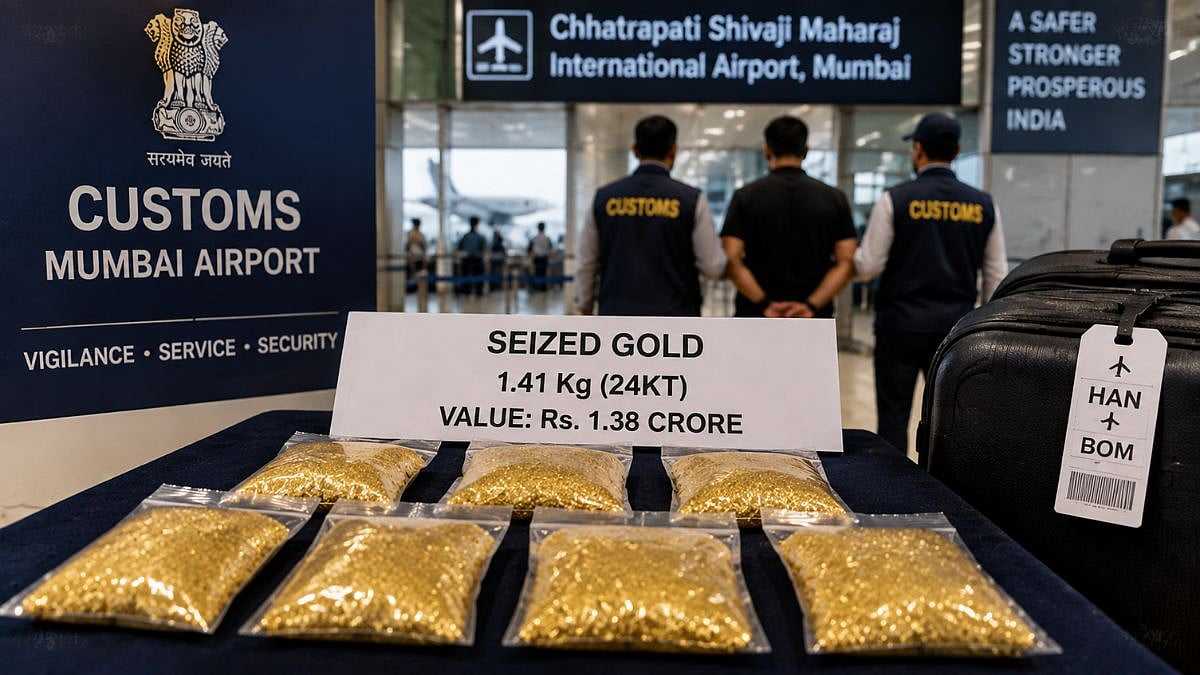
Mumbai Airport Customs Arrest Man Over Alleged Vietnam Gold Smuggling
