

Archive · 23 Jan 2026
1973 Union Budget Called India's 'Black Budget'
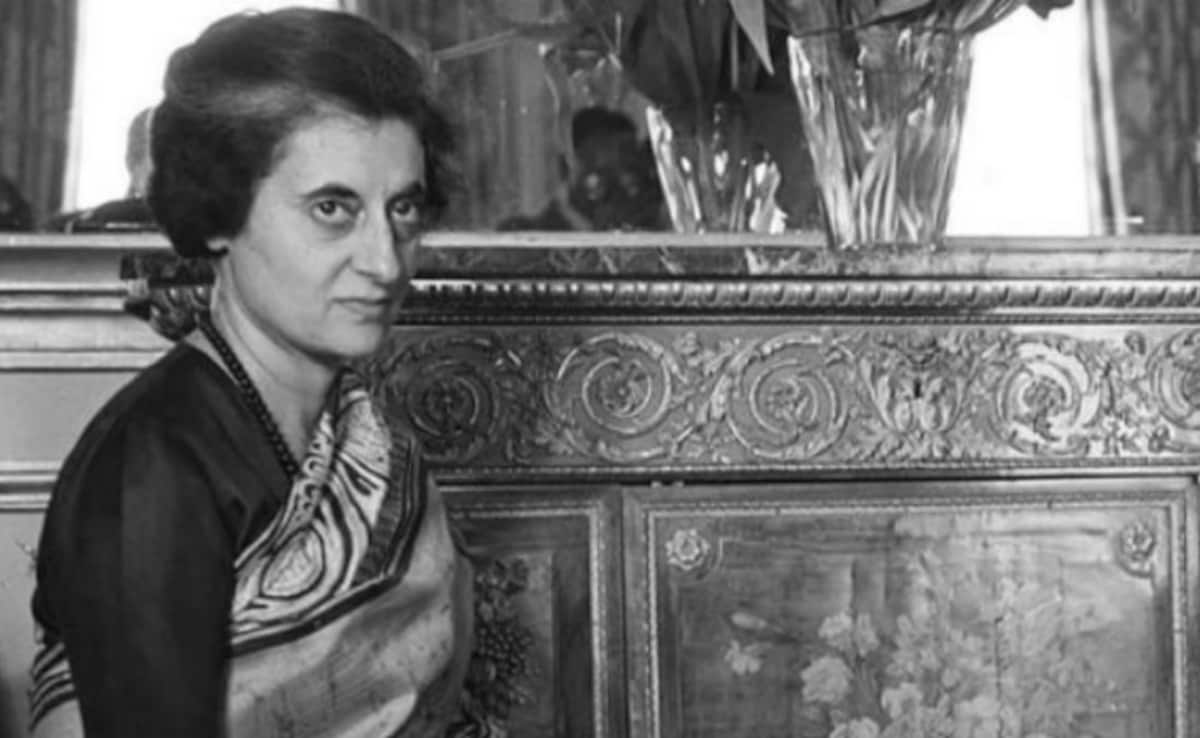
The 1973 Union Budget is called India's 'Black Budget' because it had a very big financial problem.
The government spent more money than it earned, which is called a fiscal deficit.
This happened because of many bad things that happened one after another.
First, India had a war with Pakistan, which cost a lot of money.
Then, there was a very bad drought that made food prices go up.
At the same time, the price of oil went up all over the world, which made things even harder.
The government tried to fix these problems by taking control of important industries and spending money on helping people and improving farming.
This budget is remembered because it showed how tough things were for India at that time.

The 1973-74 Union Budget is known as India's 'Black Budget' due to a high fiscal deficit of Rs 550 crore.
The budget was presented by Finance Minister Yashwantrao B Chavan during Indira Gandhi's prime ministership.
The fiscal deficit was caused by the 1971 war with Pakistan, a severe 1972 drought, and the 1973 oil crisis.
The government nationalized coal mines, insurance companies, and the Indian Copper Corporation to ensure supply and reduce dependence on private monopolies.
The budget allocated funds for drought relief, foodgrain imports, and investment in agriculture, irrigation, and power projects.
- Who
- Finance Minister Yashwantrao B Chavan and Prime Minister Indira Gandhi
- What
- The 1973-74 Union Budget, known as the 'Black Budget'
- When
- 1973-74
- Where
- India
- Why
- Due to an unusually high fiscal deficit of Rs 550 crore, reflecting severe economic pressure
- Year
- 1973-74
- Finance Minister
- Yashwantrao B Chavan
- Prime Minister
- Indira Gandhi
- Fiscal Deficit
- Rs 550 crore
- Key Sectors Nationalized
- Coal mines, insurance companies, Indian Copper Corporation
- Major Challenges
- 1971 war with Pakistan, 1972 drought, 1973 oil crisis
- Policy Focus
- State control, welfare spending, economic management