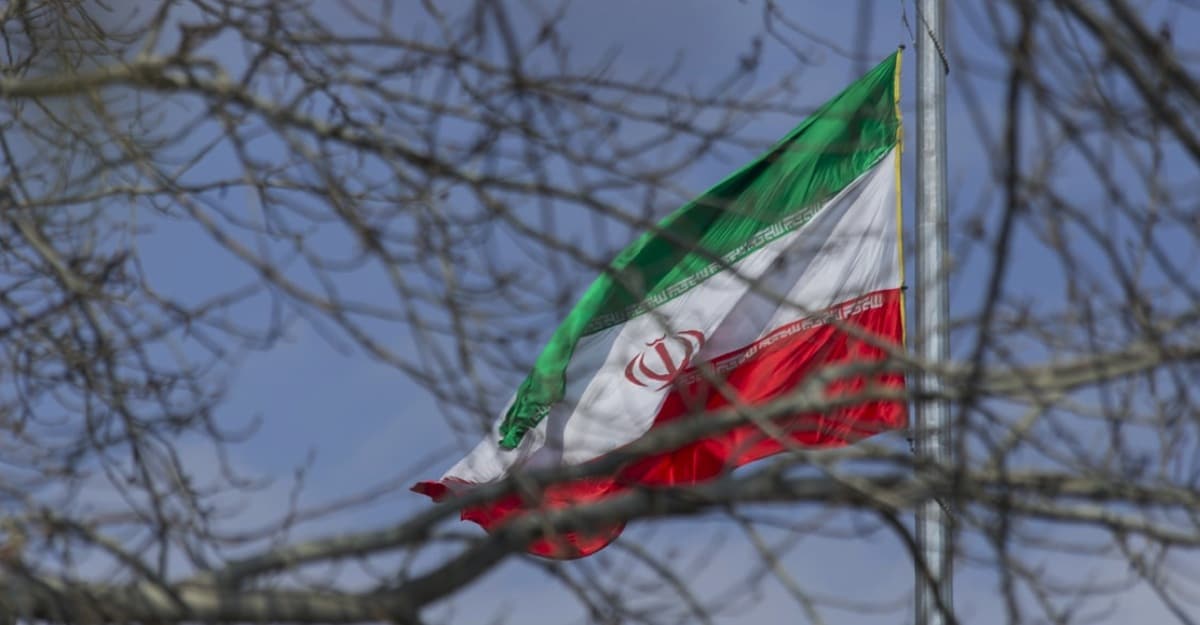
1 week ago
Iran Executes Protester Accused of Aiding US, Israel

Iran executed a man named Majid Adineh after accusing him of crimes during anti-government protests.
Officials said he helped groups they considered enemies, including the United States and Israel.
They said he carried a chainsaw and other equipment during the unrest.
Adineh was also convicted of arson and planning crimes against Iran’s internal security.
He and another person were arrested on January 9 in Alborz province.
Authorities said they found weapons, tear gas, gasoline, and other items.
A court in Karaj sentenced him to death and ordered his property confiscated.
Iran’s Supreme Court rejected his appeal, and the execution took place Sunday morning.
Rights-monitoring groups say Iran carried out at least 1,639 executions last year.

Iran executed Majid Adineh on Sunday, August 23, after the Supreme Court upheld his death sentence.
Authorities accused Adineh of acting for hostile groups, including the United States and Israel, during anti-government protests.
The judiciary convicted him of arson, internal-security gathering and collusion, and operational action for hostile groups.
Authorities said Adineh and another suspect were arrested January 9 in Alborz province carrying weapons, tear gas, gasoline, and a chainsaw.
Iran Human Rights and the European Committee for the Prevention of Torture reported at least 1,639 executions in Iran last year.
- Who
- Majid Adineh, whom Iranian authorities accused of aiding hostile groups during anti-government protests.
- What
- Iran executed Adineh after courts convicted him of security-related offenses, deliberate arson, and operational action for hostile groups.
- Where
- The case was heard by the Karaj Revolutionary Court; Adineh was arrested in Alborz province, west of Tehran.
- When
- The execution occurred Sunday morning, August 23; the arrest occurred January 9, and the protests peaked January 8 and 9.
- Why
- Iranian authorities said Adineh participated in activities against the country’s internal security and acted for hostile groups.
Iranian Authorities’ Account
Rights-Monitoring Perspective
Basis for the conviction
Iranian Authorities’ Account
Iran’s judiciary said documents, evidence, and Adineh’s statements supported convictions for aiding hostile groups, arson, and security-related crimes.
Rights-Monitoring Perspective
The supplied reports do not provide a separate account from Adineh or his legal team disputing the evidence or charges.
Executions amid unrest
Iranian Authorities’ Account
Authorities linked executions and the unrest to internal-security offenses and alleged violence orchestrated by the United States and Israel.
Rights-Monitoring Perspective
Iran Human Rights and the European Committee for the Prevention of Torture reported that Iran executed at least 1,639 people last year, highlighting the scale of executions without endorsing the government’s allegations.
Key facts
- Executed person
- Majid Adineh
- Execution date
- Sunday, August 23
- Arrest date
- January 9
- Court outcome
- The Karaj Revolutionary Court imposed a death sentence and property confiscation; Iran’s Supreme Court upheld the verdict.
- Charges
- Operational action for hostile groups, deliberate arson, and gathering and collusion to commit crimes against internal security
- Items cited by authorities
- A revolver, ammunition, two tasers, two tear gas canisters, a rechargeable chainsaw, and a bottle of gasoline
- Reported executions last year
- At least 1,639, according to Iran Human Rights and the European Committee for the Prevention of Torture
Quotes

Iranian judiciary
Iran's judiciary, reporting the court's basis for sentencing Majid Adineh
“Based on numerous documents and evidence in the case and the defendant's statements, the Karaj Revolutionary Court sentenced him to death and confiscation of all his property.”
 wionews.com
 firstpost.com
Sources
Related news
Iran Executes Protester Convicted of Running Over Police Officers

UN rights chief says Iran executed 56 since March
Trump Urges Iran to Stop Executing Protesters Amid Crisis
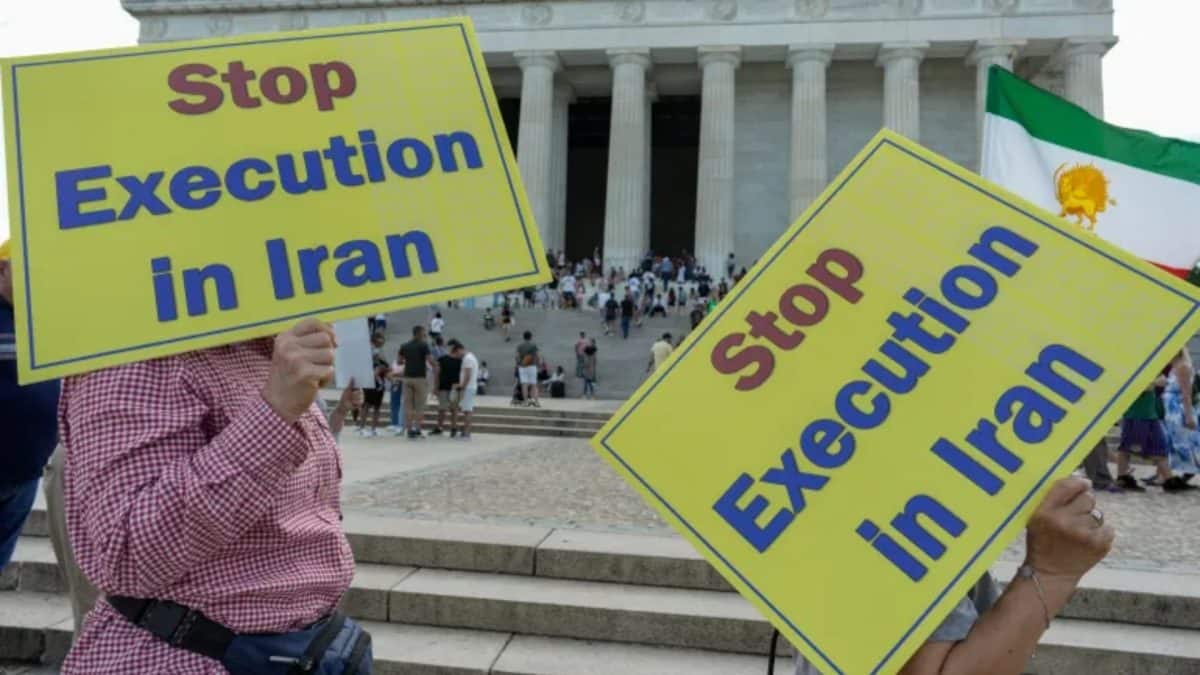
26 Nations Condemn Iran Executions of Protesters, Silencing Dissent
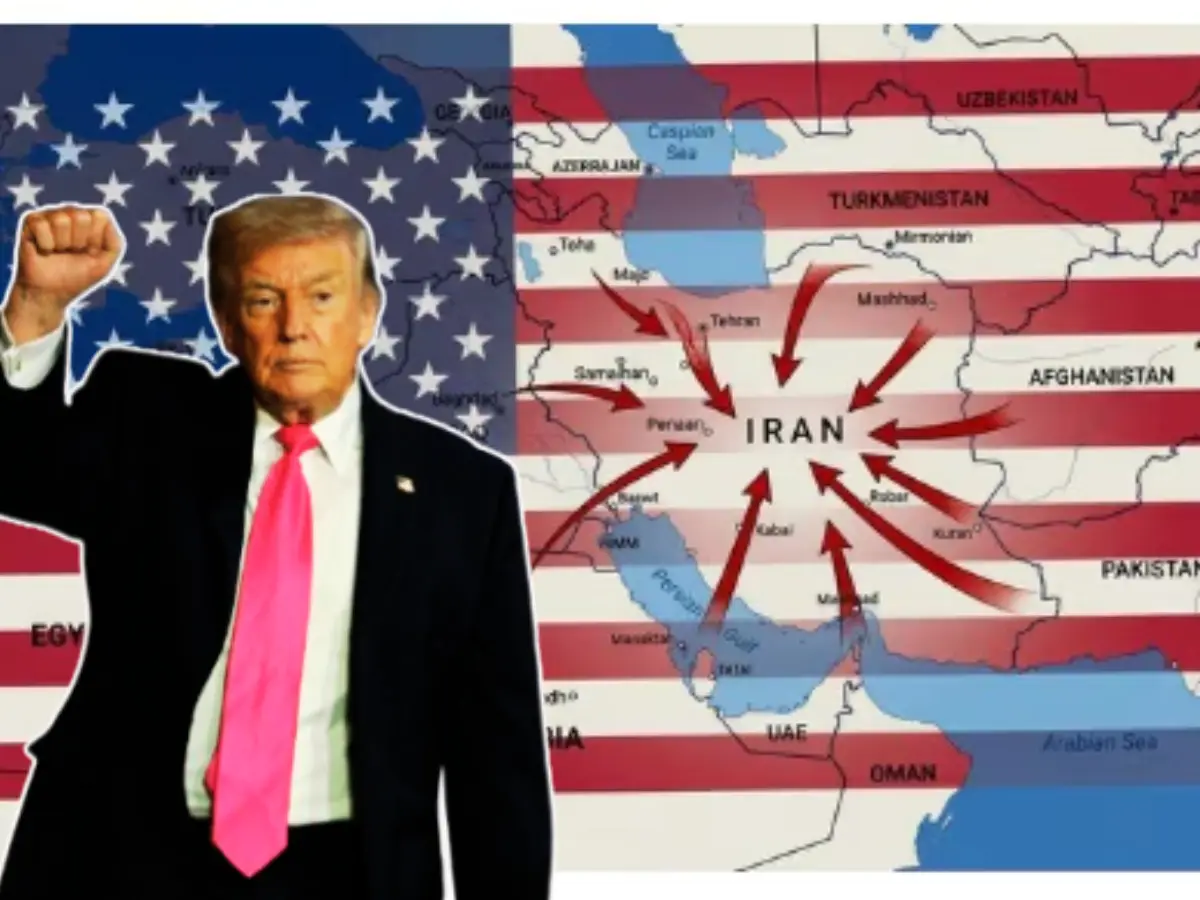
Trump Accuses Iran of Killing Protesters, Calls It Dead

Iran Claims US MQ-9 Drone Downed Near Hormuz
Iranian President's Son Calls for Internet Restoration