Archive · 21 Jul 2026
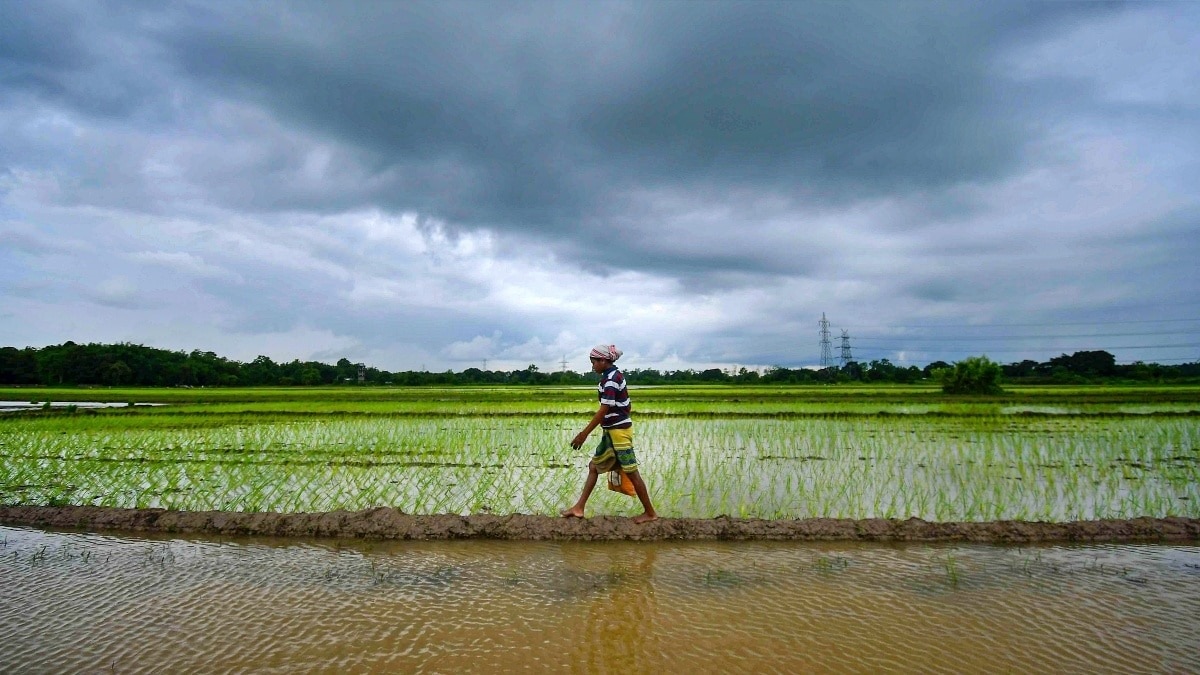
Kharif sowing lags behind last year

Farmers in India have planted fewer crops this year compared to last year.
As of 17 July, they have planted crops on 65.8 million hectares, which is 4.2 million hectares less than last year.
This is because the rain has not been evenly distributed, making it harder to plant crops in some areas.
Some crops like paddy, pulses, and oilseeds have seen a decrease in planting, while sugarcane has seen an increase.
Experts hope that if the rain improves, the planting gap will close, but if it doesn't, there might be less food and higher prices later in the year.

Kharif sowing as of 17 July is 65.8 million hectares, down 4.2 million hectares from last year.
Paddy acreage is down by 141,000 hectares, with 16.6 million hectares sown this year.
Oilseeds acreage is down by 863,000 hectares, with soybean and groundnut seeing significant declines.
Pulses acreage is down by 1.2 million hectares, with arhar, urdbean, and moongbean showing declines.
Sugarcane is one of the few crops to exceed last year's acreage, with 5.7 million hectares planted.
- Who
- Farmers in India
- What
- Kharif sowing is lagging behind last year's levels
- When
- As of 17 July
- Where
- India
- Why
- Uneven monsoon rainfall and prolonged rainfall deficiency in major rainfed states
- Total Kharif Sowing (2024)
- 65.8 million hectares
- Total Kharif Sowing (2023)
- 70 million hectares
- Paddy Acreage (2024)
- 16.6 million hectares
- Paddy Acreage (2023)
- 16.7 million hectares
- Oilseeds Acreage (2024)
- 14.7 million hectares
- Oilseeds Acreage (2023)
- 15.6 million hectares
- Sugarcane Acreage (2024)
- 5.7 million hectares
- Sugarcane Acreage (2023)
- 5.6 million hectares