

Archive · 2 Jun 2025
India Launches E-Passports with Embedded Chips for Enhanced Security
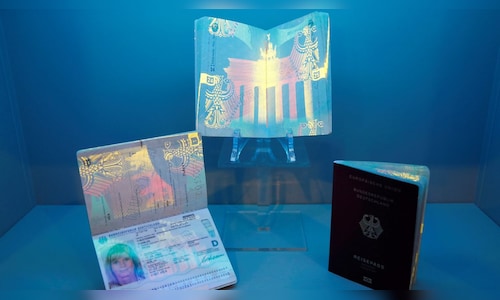
India is now issuing e-passports with a special chip, like many other countries.
These passports have a chip that securely stores your personal information, including your picture.
This makes it harder for someone to steal your identity.
The new passports help speed up border control because they can be scanned quickly at special gates.
India is making these passports in India.
This is part of a bigger plan to make travel easier and safer with digital technology.

India is issuing e-passports with embedded chips to improve international travel security.
These e-passports contain an RFID chip storing biometric and personal information.
The rollout began in April 2024, with full implementation expected by mid-2025.
E-passports use encryption and enable faster border checks via e-gates.
Production of these passports is done domestically at the India Security Press.
- Who
- Indian citizens and the Indian government.
- What
- The introduction of chip-based e-passports for Indian citizens.
- When
- Implementation began in April 2024, with a nationwide rollout expected by mid-2025.
- Where
- India, with initial rollout in key cities like Nagpur and Chennai.
- Why
- To enhance border security, prevent identity theft, streamline immigration, and align with international standards.
- Data Stored
- Biometric data and personal information like photo and fingerprints.
- Technology Used
- Radio Frequency Identification (RFID) chip
- Application Process
- Passport Seva Portal, Passport Seva Kendra, or Post Office centers.
- Passport Production
- India Security Press in Nashik.
- Key Benefits
- Enhance security, prevent identity theft and streamline immigration.