Archive · 13 Aug 2025
Telangana Farmers Earn Carbon Credits with Sustainable Paddy Farming
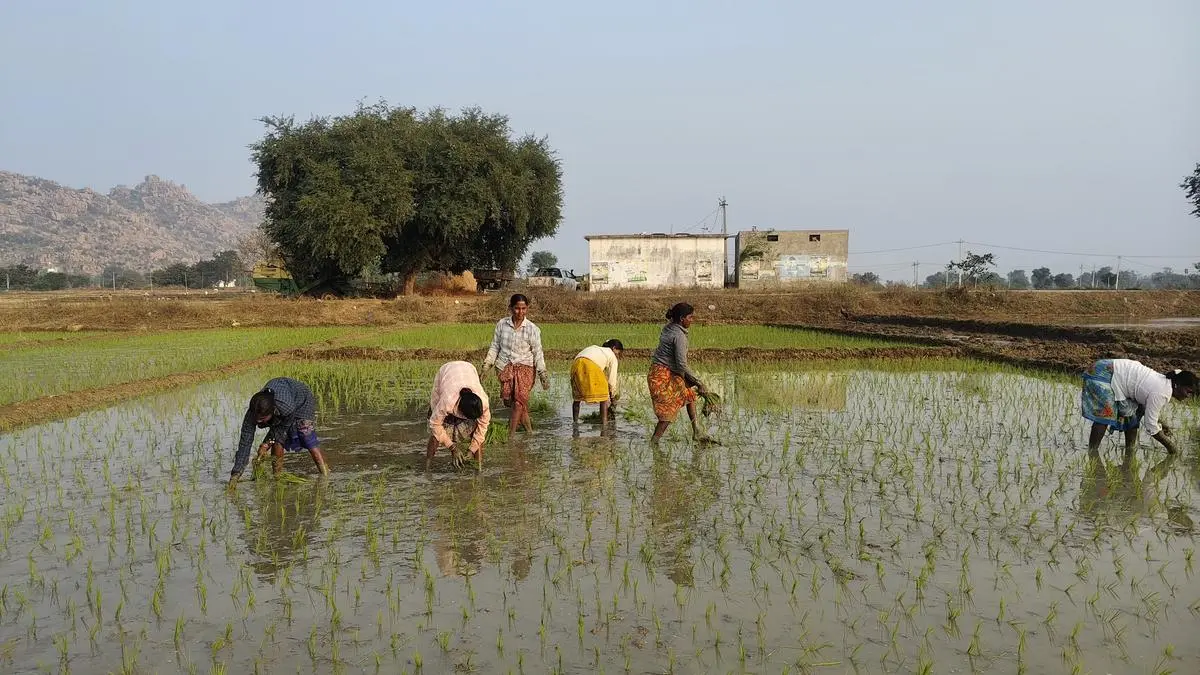
Farmers in Telangana are making extra money by using a new farming method for growing rice.
A company called Sow&Reap Agro found a way to help the farmers use less water and reduce harmful gases that are released into the air.
By using the Alternate Wetting and Drying (AWD) method, the farmers are now getting paid for reducing methane emissions.
This new method also helps the rice plants grow stronger, which leads to a better harvest.
The company is now expanding this program to help even more farmers.

Farmers in Telangana are earning carbon credits for sustainable paddy cultivation.
Sow&Reap Agro developed methods to reduce water consumption and methane emissions.
The Alternate Wetting and Drying (AWD) method helped reduce water use by 60%.
The project has secured 37,405 carbon credits from the Gold Standard.
The program involves 35,000 farmers across nine districts in Telangana.
- Who
- Sow&Reap Agro
- What
- Farmers in Telangana earn carbon credits for sustainable paddy cultivation.
- When
- Published on August 11, 2025
- Where
- Telangana, India
- Why
- To reduce methane emissions and support sustainable farming.
Traditional Paddy Cultivation
Sustainable Paddy Cultivation (AWD)
Environmental Impact and Resource Usage
Traditional Paddy Cultivation
Continuous flooding in paddy cultivation leads to high methane emissions and excessive water consumption.
Sustainable Paddy Cultivation (AWD)
Alternate Wetting and Drying (AWD) reduces water use by 60% and significantly lowers methane emissions.
- Carbon Credits Secured
- 37,405
- Farmers Involved
- 35,000
- Hectares Covered
- 1 lakh acres
- Water Reduction
- 60%
- Methane Emission Reduction
- 6-7 tonnes/hectare/year
- Project Name
- VARRI