Archive · 30 Jul 2026
Oil Price Surge Threatens India’s Fiscal and Current Account
The Indian government says that because oil prices are going up, the country might have to spend more money on buying oil.
This could make the government’s budget problems bigger and also hurt the money that comes in from trade.
Even though the economy is still growing, higher fuel costs can make things more expensive for people.
The government also worries that bad weather could make food prices rise.
To help, they want to use electric cars, make supply chains stronger, and act quickly with new rules.

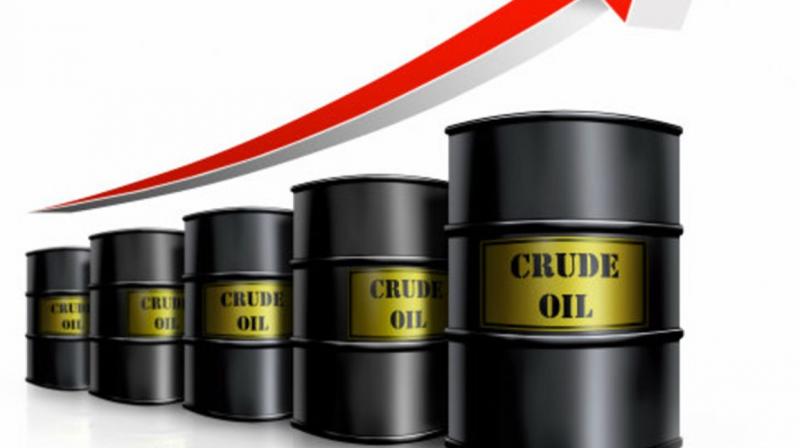
Global crude oil prices spiked to $100+ per barrel amid West Asia conflict, raising India’s import bill by over 60% YoY for April‑June FY27.
Retail fuel inflation rose to 8.4% for diesel, 7.5% for petrol, and 6.2% for CNG, adding pressure to consumer prices.
India’s economy remains resilient, supported by strong exports, a services surplus, and robust remittance inflows.
Weather risks such as El Niño and monsoon deficits could further increase food inflation and strain rural demand.
The ministry stresses swift policy responses, EV adoption, and supply‑chain resilience to mitigate fiscal and current account risks.
- Who
- Indian Finance Ministry and Finance Minister Nirmala Sitharaman
- What
- Warning that sustained high crude oil prices could pressure India’s fiscal deficit and current account balance
- When
- July 2026 monthly economic review
- Where
- India, with reference to West Asia conflict
- Why
- Rising oil prices, supply‑chain disruptions, weather risks, and the need for policy responses
- Rising crude oil price
- Global crude oil prices spiked to $100+ per barrel amid West Asia conflict
- Impact on fiscal deficit
- Potential to push fiscal deficit above 4.3% of GDP target for FY27
- Impact on current account
- Risk of widening current account deficit due to higher import bill
- Inflationary pressure
- Retail fuel inflation up to 8.4% for diesel, 7.5% for petrol, 6.2% for CNG
- Policy measures
- Emphasis on EV adoption, supply‑chain resilience, swift reforms to mitigate risks