

2 hrs ago
Chennai Hospitals Face Surge in Flu, Respiratory Infections, Dengue
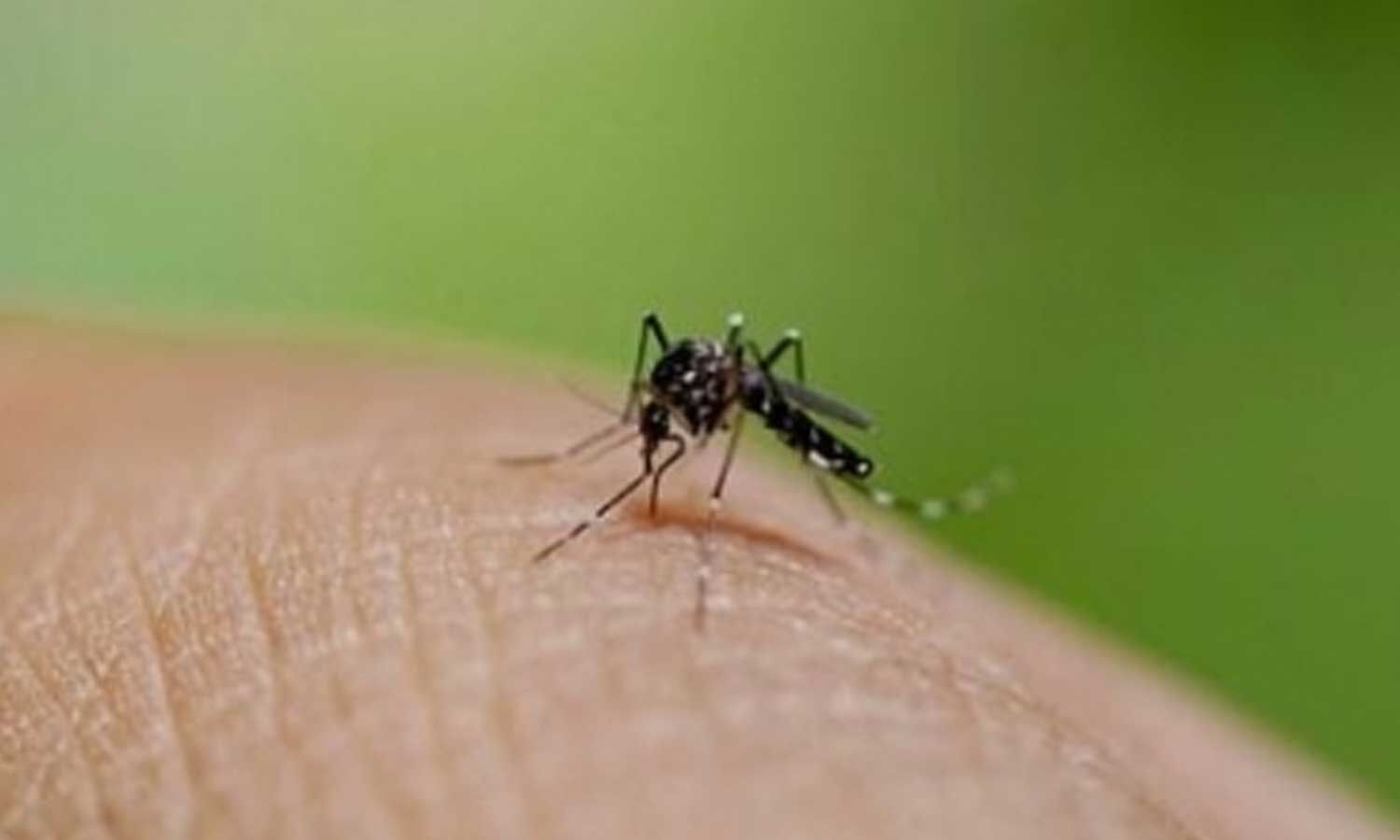
Hospitals in Chennai are seeing many more people with flu, breathing infections and dengue.
This has made outpatient departments and hospital wards very crowded.
Some patients are waiting up to 12 hours for a bed.
Most people get better with medicine, rest and enough fluids.
Older people and people with other health problems can become more seriously ill.
Children may have long-lasting fever and extreme tiredness.
Doctors say people with breathing trouble, high fever or dehydration should seek help early.
They also advise handwashing, masks for people with respiratory symptoms and removing stagnant water to reduce infections.

Private hospitals across Chennai are reporting more patients with respiratory infections, influenza and dengue ahead of the monsoon.
Emergency patients in some hospitals are waiting up to 12 hours for beds, while ICU-to-ward transfers are also delayed.
Doctors say most infections are mild, but elderly people and patients with co-morbidities face higher risks of serious illness.
Common symptoms include high fever, sore throat, cough, body pain, chest discomfort, fatigue and loss of appetite.
Doctors urged early medical attention, hygiene, mosquito control and avoiding self-medication as stagnant water could increase dengue transmission.
- Who
- Private hospitals, doctors and patients in Chennai are involved; elderly people, children and those with co-morbidities are among vulnerable groups.
- What
- Hospitals are experiencing a surge in respiratory infections, influenza and dengue, causing crowded facilities and delays for beds.
- Where
- Across private hospitals in Chennai.
- When
- The increase is occurring ahead of the approaching monsoon.
- Why
- Viral respiratory illnesses, influenza and dengue are increasing; stagnant water during the monsoon could further support mosquito breeding and dengue transmission.
Key facts
- Reported illnesses
- Respiratory infections, influenza including H1N1, and dengue
- Hospital delays
- Some emergency patients are waiting up to 12 hours for beds
- Common symptoms
- High fever, sore throat, cold, persistent cough, body and leg pain, chest discomfort, fatigue and loss of appetite
- Vulnerable groups
- Elderly people and those with co-morbidities face greater risk of serious illness
- Children’s symptoms
- Some children and adolescents have prolonged fever, extreme exhaustion, confusion or delirium
- Respiratory viruses
- Respiratory syncytial virus, adenovirus, rhinovirus and parainfluenza are contributing to the caseload
- Prevention advice
- Maintain hand hygiene, avoid close contact with infected people, use masks when symptomatic and control mosquitoes
Quotes
Dr R. Rajammal
Infectious diseases expert at a private hospital in Chennai
“When patients come into the emergency room, the wait for a room or bed extends up to 12 hours. Similarly, patients who need to be shifted out of the ICU have long waits for rooms or beds in general wards. The waiting time in outpatient units has also increased considerably.”
 thehansindia.com
Sources
Related news
Chennai Fever And Dengue Cases Surge, Doctors Urge Caution
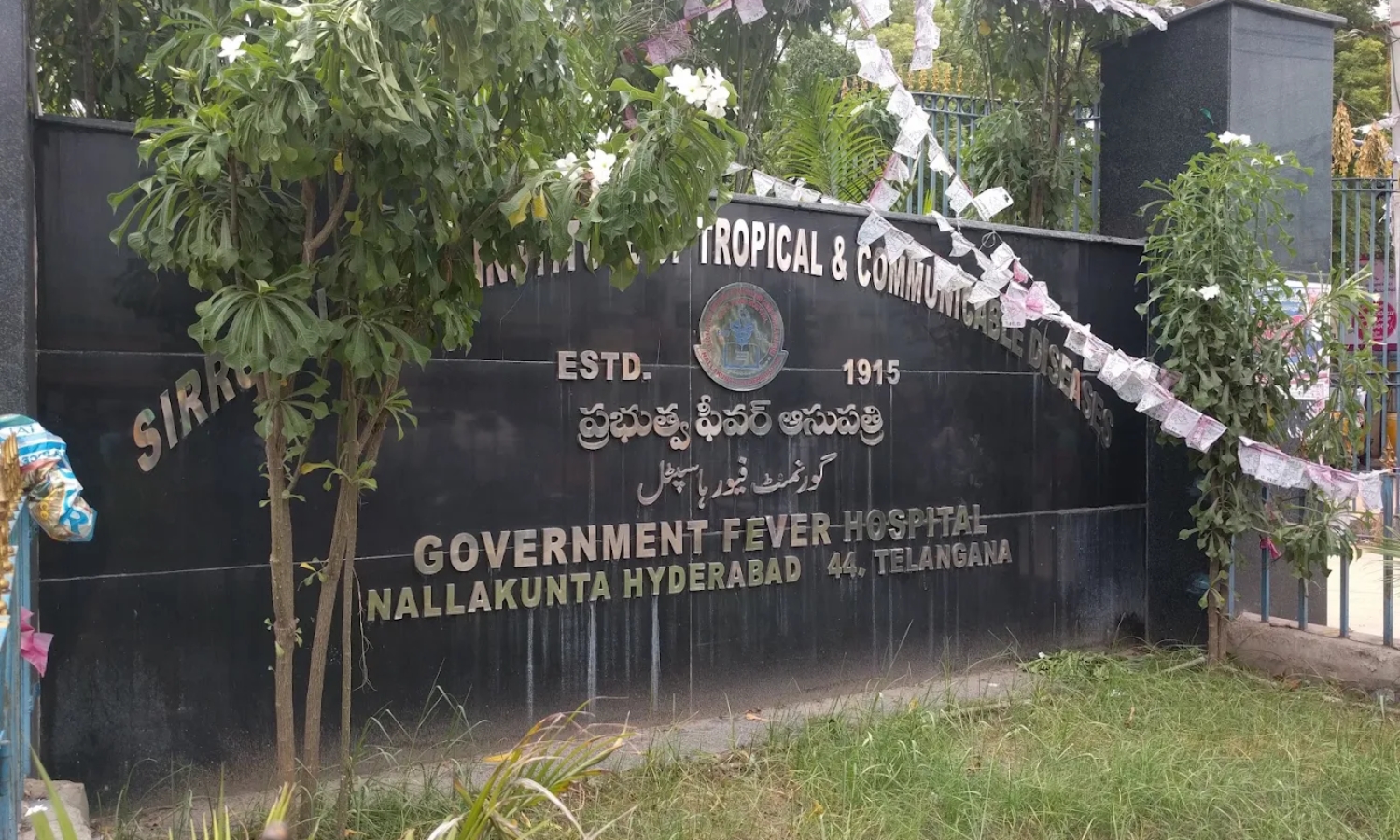
H1N1 Cases Rise as Hyderabad Fever Hospital Sees 500 Daily
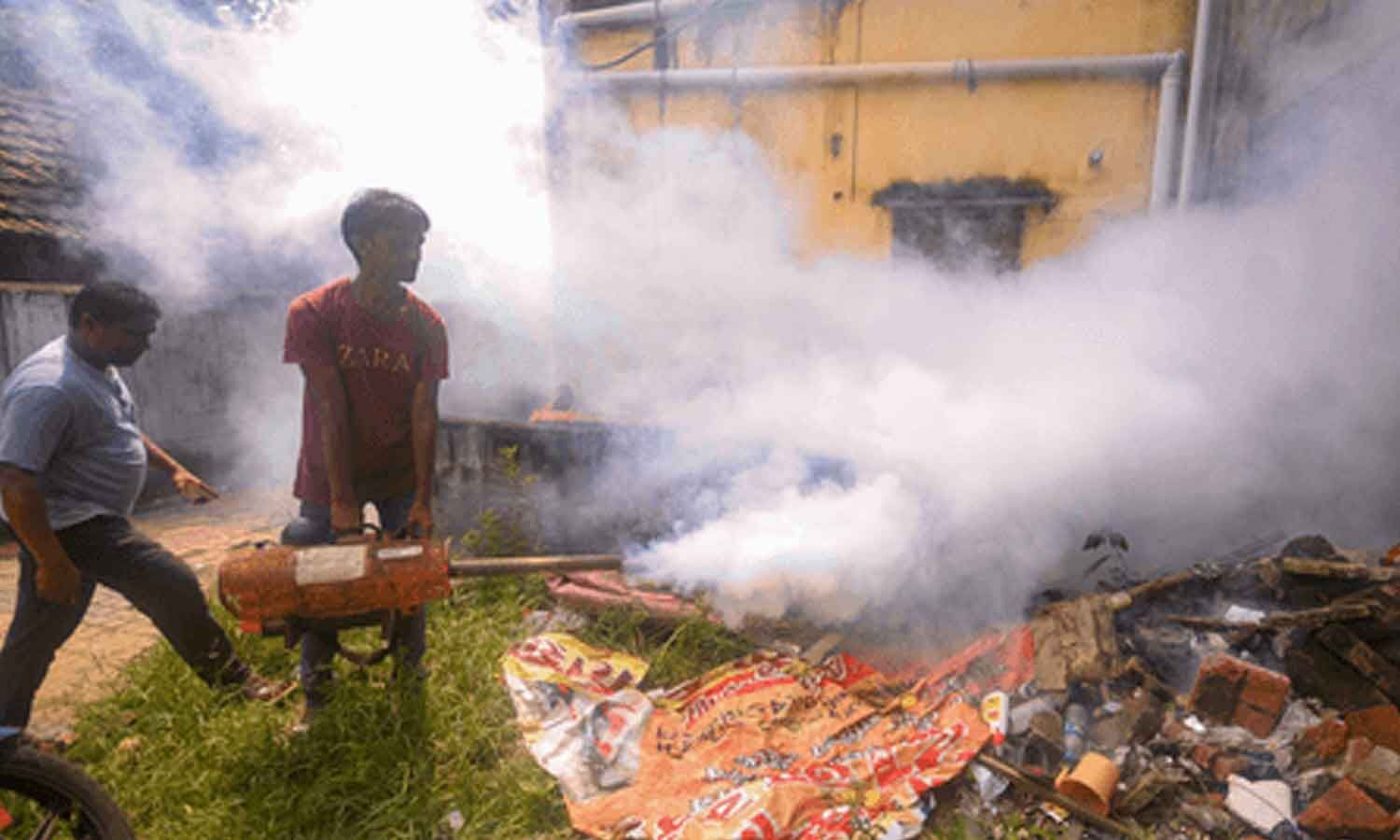
Dengue, Swine Flu Cases Surge in Tamil Nadu Ahead
Hyderabad H1N1 Situation Under Control, Doctors Say No Panic
Delhi H1N1 Cases Reach 2,612 as Hospitals Heighten Preparedness

Delhi H1N1 Cases Reach 2,446 as Hospitals Bolster Preparedness

Gold Rates Rise in Bengaluru and Chennai on September 22

Petrol and Diesel Prices Remain Stable Across Major Indian Cities

Gold and Silver Prices Rise Across Indian Retail Markets

Tamil Nadu Expands Kamaraj Breakfast Scheme to Classes VI–VIII
