Archive · 15 Jan 2026
Biologist Wins 'Environment Nobel' for Fungal Research
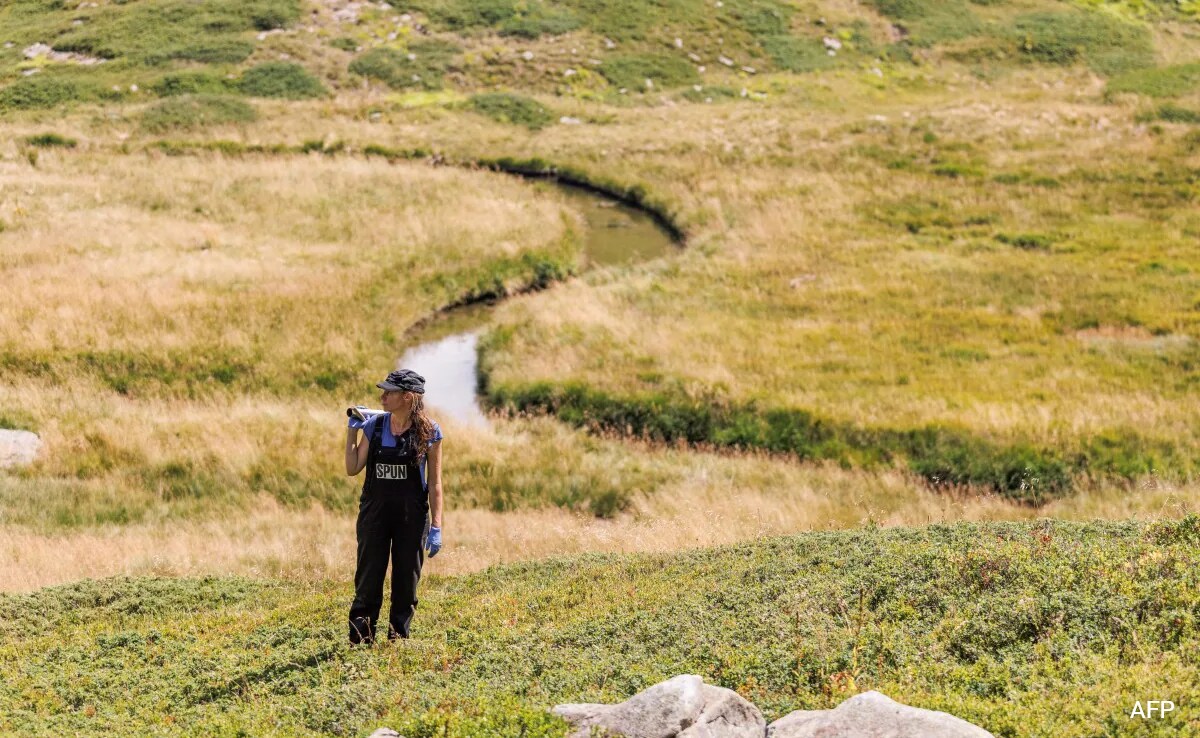
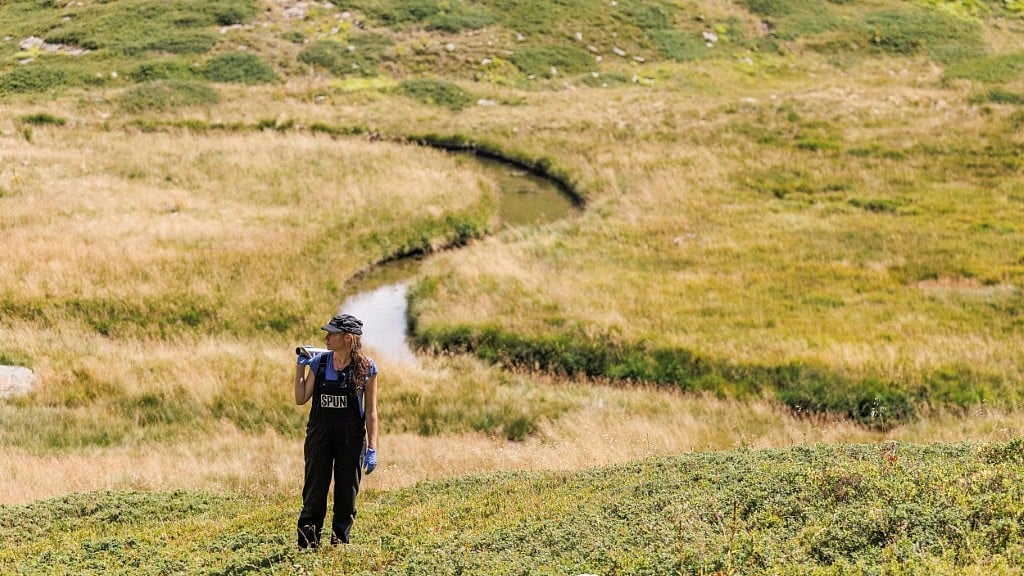
A scientist named Toby Kiers won a big prize for her work studying tiny fungi that live underground.
These fungi help plants by trading nutrients, and they also store a lot of carbon, which is good for the environment.
Kiers and her team created maps and tools to show how important these fungi are.
They found that many of these fungi live in places that aren't protected, so they started a group to help protect them.
The fungi act like smart traders, moving nutrients around to get the best deals, even without a brain.
Kiers wants people to understand how much life on Earth depends on these hidden fungi.

Toby Kiers won the Tyler Prize for Environmental Achievement for her research on mycorrhizal fungal networks.
Fungal networks draw down 13.12 billion tons of carbon dioxide annually, acting as critical climate regulators.
Kiers and her team created a global Underground Atlas and a robotic imaging system to study fungal networks.
Most hotspots of underground fungal diversity lie outside ecologically protected areas.
Kiers co-founded the Society for the Protection of Underground Networks (SPUN) to advocate for fungal biodiversity.
- Who
- Toby Kiers, American evolutionary biologist and University Research Chair at Vrije Universiteit Amsterdam
- What
- Awarded the Tyler Prize for Environmental Achievement for research on mycorrhizal fungal networks
- When
- Recent (specific date not mentioned)
- Where
- Global, with research conducted in various locations including Panama's rainforests
- Why
- To highlight the importance of underground fungal networks in carbon storage and biodiversity
- Award
- Tyler Prize for Environmental Achievement
- Prize Amount
- $250,000
- Carbon Drawdown
- 13.12 billion tons of carbon dioxide annually
- Fungal Behavior
- Acts like traders in a biological marketplace
- Conservation Effort
- Society for the Protection of Underground Networks (SPUN)
- Key Discovery
- Fungal networks outside protected areas
- Research Tool
- Robotic imaging system for fungal networks
- Global Mapping
- Underground Atlas of mycorrhizal fungi