

Archive · 25 Jul 2025
WHO-UNODC Report: Contaminated Medicines Caused 1,300+ Deaths
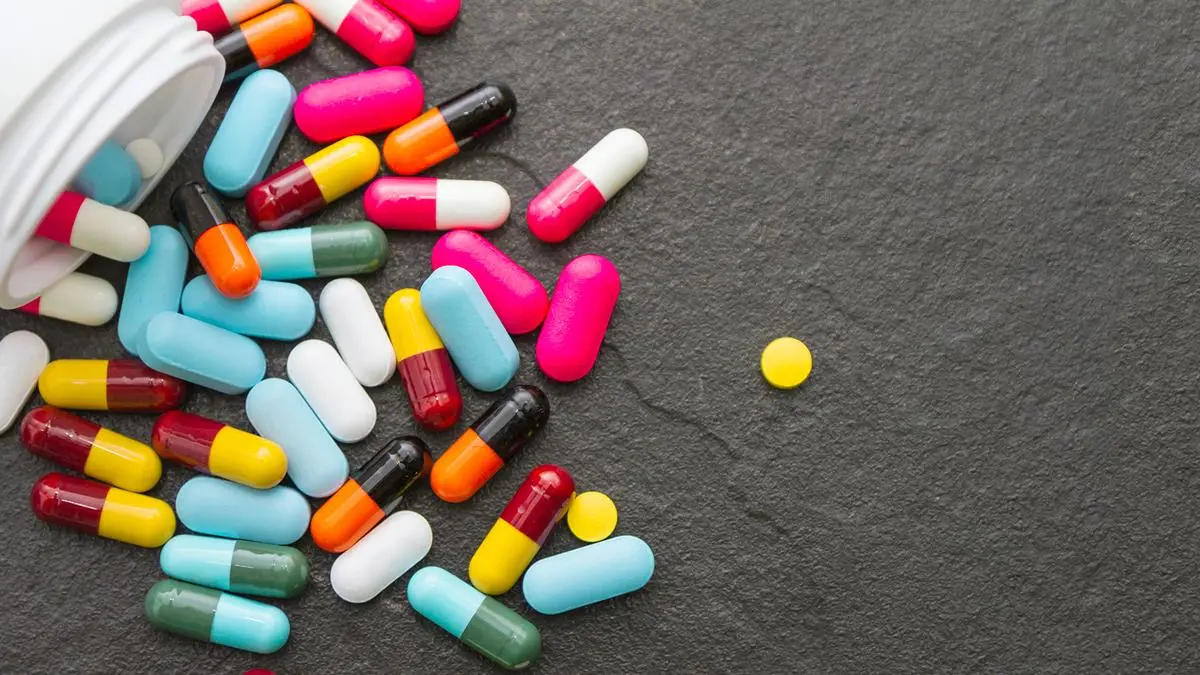
Imagine medicine ingredients are like food, but some are bad.
A report says over 1,300 people, mostly kids, got sick or died from bad medicine ingredients over many years.
The bad stuff includes chemicals used in things like antifreeze.
Criminals sometimes use these instead of safe ingredients, especially in cheap medicines for kids.
The report wants the world to fix this by making sure the ingredients are safe, watching out for bad actors, and working together to keep everyone healthy.

A WHO-UNODC report reveals over 1,300 deaths from contaminated medicines over 90 years.
Most victims are children, with incidents linked to industrial chemicals like diethylene glycol and ethylene glycol.
Contamination often results from criminal networks exploiting regulatory gaps in the supply chain.
The report highlights cases in Gambia (2022) and Uzbekistan (2023) involving contaminated cough syrups.
The report calls for global action to improve regulations, oversight, and collaboration to prevent such incidents.
- Who
- World Health Organization (WHO) and United Nations Office on Drugs and Crime (UNODC).
- What
- Report on contaminated medicines causing over 1,300 deaths.
- When
- Incidents over the last 90 years, report published July 25, 2025.
- Where
- Globally, particularly affecting low- and middle-income countries.
- Why
- Due to regulatory gaps and criminal activities in the pharmaceutical supply chain.
Advocates for Tighter Regulations
Supporters of Enhanced Oversight
Regulatory Frameworks
Advocates for Tighter Regulations
Focus on enhancing regulatory frameworks, strengthening oversight of excipient supply chains, and improving post-market surveillance.
Supporters of Enhanced Oversight
Manufacturers and distributors should enhance compliance to minimize contamination risks and avoid criminal actions.
Industry Compliance
Advocates for Tighter Regulations
Urge governments to enhance regulatory frameworks and enforcement mechanisms to safeguard consumers.
Supporters of Enhanced Oversight
Industry should enhance compliance by manufacturers and distributors to guarantee quality and safety.
Collaboration
Advocates for Tighter Regulations
Advocates for greater transparency and traceability in the excipient supply chain and promote better collaboration between health authorities, law enforcement and the private sector.
Supporters of Enhanced Oversight
Urge more timely information exchange between regulatory authorities, law enforcement and customs to support investigations and prosecutions to prevent contamination.
- Report Issuers
- WHO & UNODC
- Total Deaths
- Over 1,300
- Timeframe
- 90 years
- Main Victims
- Children
- Contaminants
- Diethylene glycol (DEG) and ethylene glycol (EG)
- Recent Cases
- Gambia (2022), Uzbekistan (2023)
- Cause
- Criminal conduct & regulatory gaps
- Publication Date
- July 25, 2025