

Archive · 12 Sep 2026
Nepal Flood Survivor Endures 11 Days Beneath Rubble
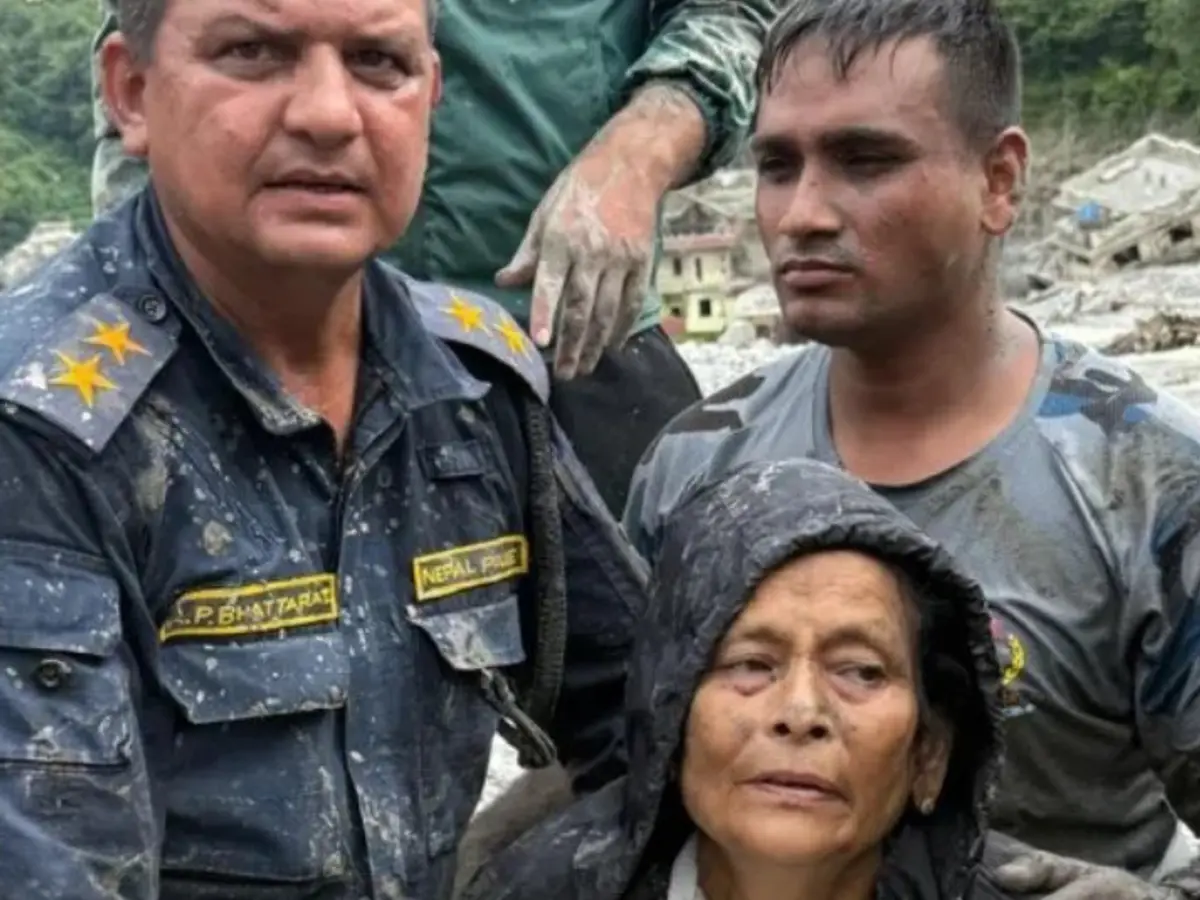
Chandika Kumari Shrestha was trapped under the remains of her home in Nepal.
She stayed there for 11 days before being rescued.
A small pocket of air may have helped her keep breathing.
Experts said having some moisture or water was also very important.
The body can use stored fat and muscle when there is no food.
Staying still can help save energy.
Being trapped for so long can badly harm the body.
A psychologist said hope, decision-making, and the desire to survive may also help people endure extreme situations.

Chandika Kumari Shrestha was rescued after surviving 11 days beneath the rubble of her collapsed home in Betrawati village.
She reportedly survived inside a narrow air pocket while Nepal faced devastation from a glacial collapse and ice-rock avalanche near the Tibet border.
The disaster has claimed more than 1,300 lives, according to the article, with thousands missing or trapped in debris.
Experts said breathable air, moisture or water, protection from severe injury, and conserving energy were crucial to Shrestha’s survival.
Doctors warned that prolonged entrapment can cause dehydration, low blood pressure, kidney injury, infections, and muscle damage.
- Who
- Chandika Kumari Shrestha, along with medical and psychological experts interviewed by WION.
- What
- Shrestha survived 11 days trapped beneath debris after her home collapsed during a major disaster in Nepal.
- When
- She was rescued after 11 days of entrapment; the article does not provide a specific date.
- Where
- Inside a narrow air pocket beneath her collapsed home in Betrawati village, Nepal.
- Why
- Experts attributed her survival to a combination of breathable air, possible access to moisture, protection from severe injury, energy conservation, biological adaptation, and mental resilience.
- Survivor
- Chandika Kumari Shrestha
- Duration trapped
- 11 days
- Location
- Betrawati village, Nepal
- Disaster
- Glacial collapse and ice-rock avalanche near Nepal’s border with Tibet
- Reported deaths
- More than 1,300
- Key survival factors
- Breathable air, moisture or water, protection from trauma, and limited movement
- Major medical risks
- Dehydration, low blood pressure, acute kidney injury, infections, and muscle damage