Archive · 19 Sep 2025
India's 7th Plan, Sri Lanka Ceasefire, and US Nuclear Stance
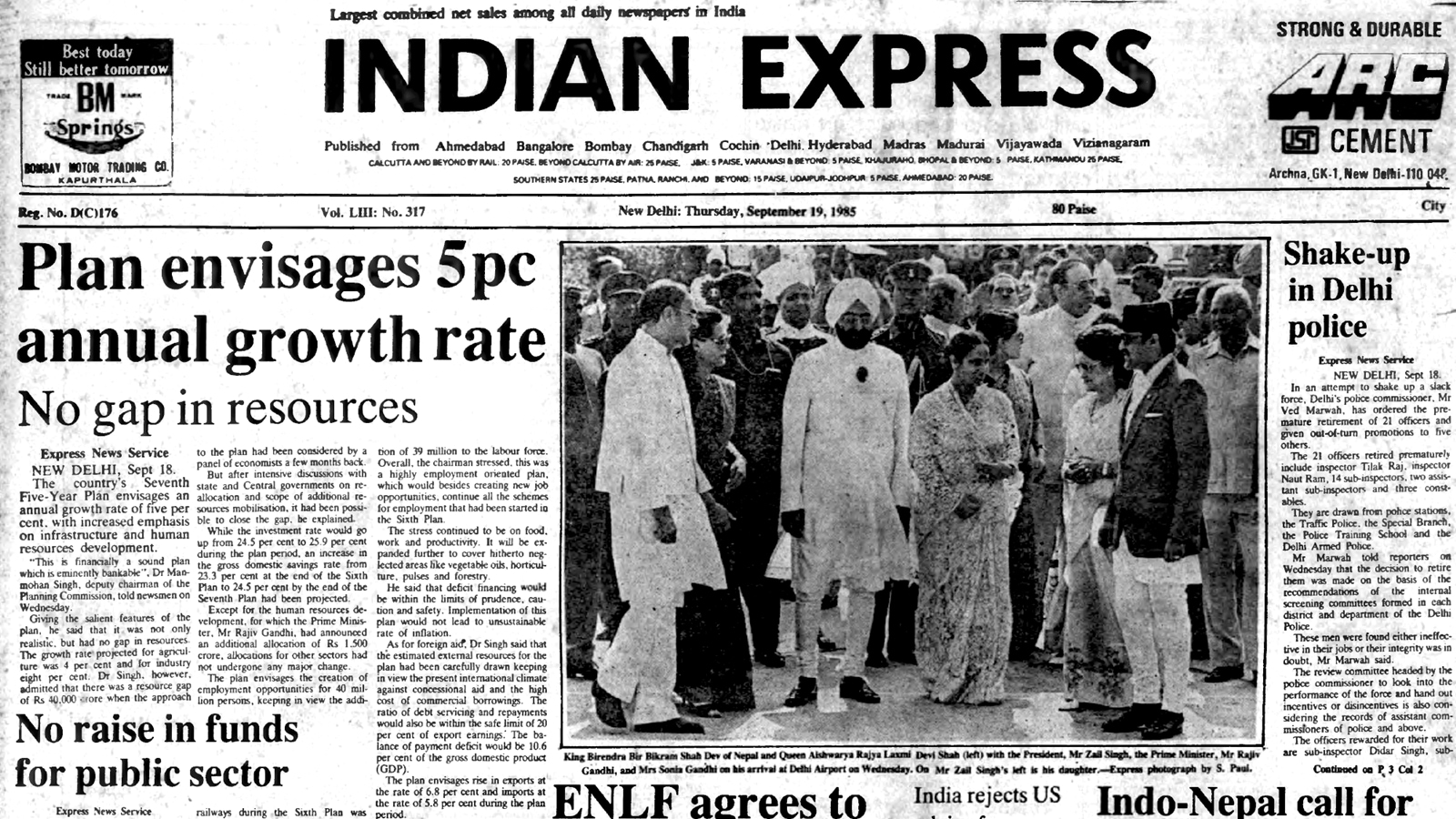
India is planning how to spend money for the next five years, focusing on growing the country's economy.
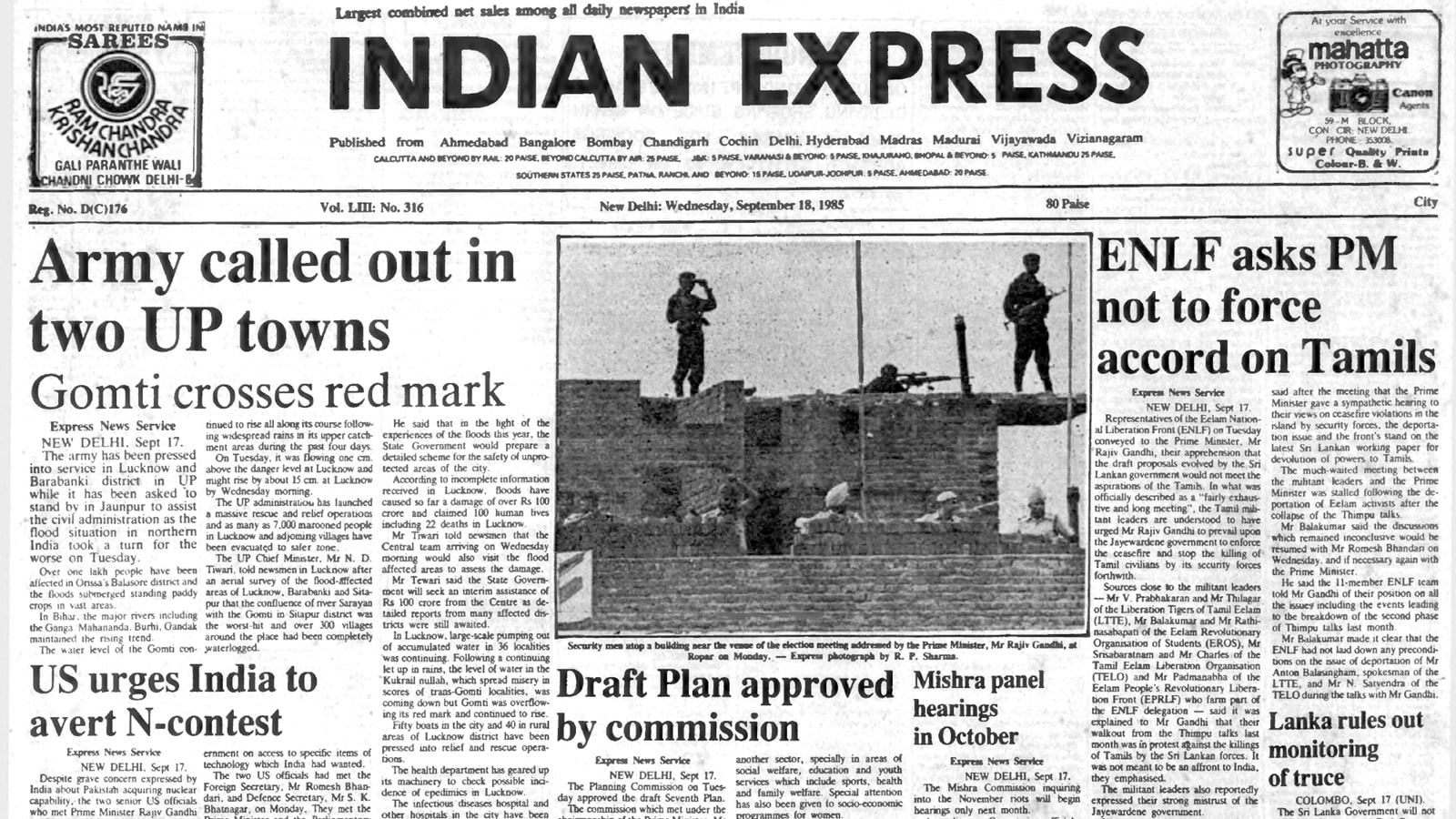
In Sri Lanka, India helped convince the fighting groups to stop fighting for a while.
Meanwhile, the United States asked India to promise not to build nuclear weapons, but India said they won't do that unless Pakistan also promises not to.

Seventh Five-Year Plan projected 5% annual growth.
Emphasis on infrastructure and human resource development.
ENLF agreed to extend ceasefire in Sri Lanka.
India hopes the ceasefire will be observed.
India declined US plea regarding nuclear competition in the subcontinent.
- Who
- India, Sri Lanka, United States, ENLF, Pakistan
- What
- Seventh Five-Year Plan was approved, ceasefire extended in Sri Lanka, India refused US nuclear initiatives.
- When
- September 1985
- Where
- New Delhi, Sri Lanka
- Why
- India aimed to secure ceasefire in Sri Lanka. India believes Pakistan's nuclear program is for weapons.
India's Stance
United States' Stance
Nuclear Weapons
India's Stance
India is already committed to not producing nuclear weapons. A regional agreement is unnecessary unless Pakistan commits too.
United States' Stance
The US requested India to take initiatives to avoid nuclear competition in the subcontinent
- Key Figures
- Manmohan Singh, Romesh Bhandari, Rajiv Gandhi
- Economic Planning
- Seventh Five-Year Plan
- Growth Rate (Plan)
- 5% annually
- Focus Areas
- Infrastructure, Human Resources
- Conflict Addressed
- Sri Lankan Civil Conflict
- Nuclear Stance
- India refuses US plea for regional nuclear agreement