

Archive · 29 Dec 2025
Egg Freezing: A Practical Option
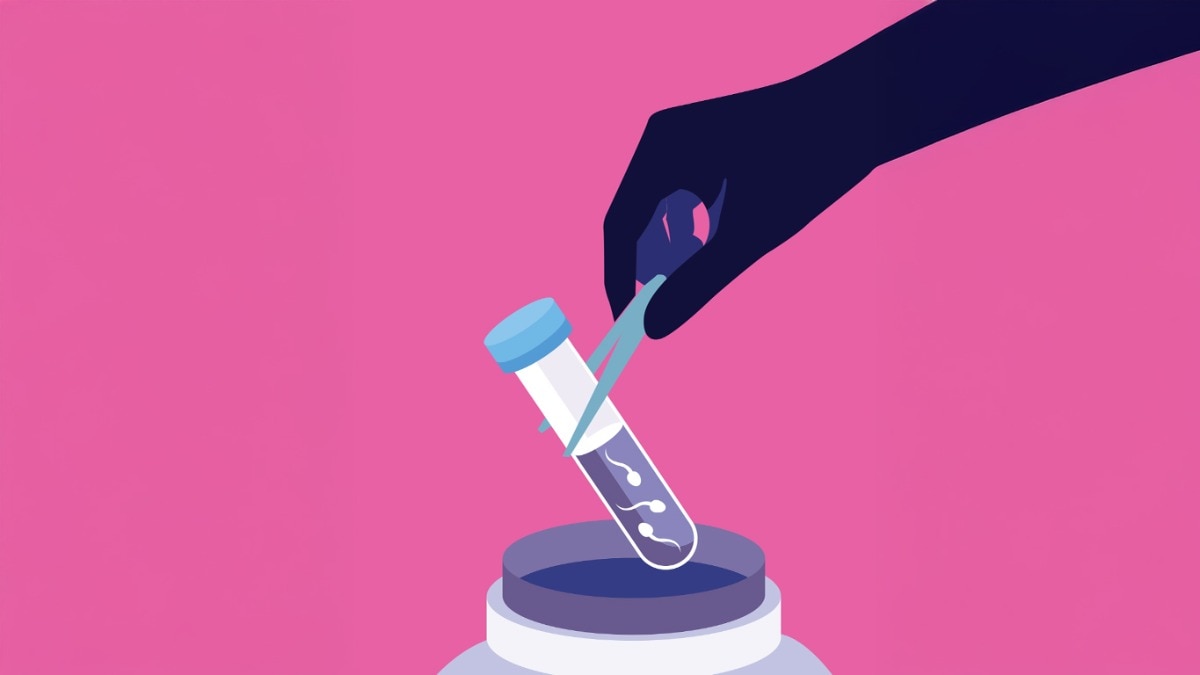
Egg freezing is a process where a woman's eggs are preserved for future use.
It's not just for career-focused women, but also for those who aren't ready for motherhood, haven't found the right partner, or have medical concerns.
The procedure involves hormone stimulation and scans, and it's not a guarantee of a child, but it can widen the possibilities.
It's important for women to have balanced information and support, both from workplaces and society, to make informed decisions.
The author, Ameera Shah, shares her personal experience of freezing her eggs at 32, which allowed her to have children later when she was ready.
She emphasizes that egg freezing is about preserving possibility and should be a personal choice without stigma or pressure.

Egg freezing is a process to preserve a woman's eggs for future use, not just for career-focused women but also for various personal and medical reasons.
Fertility declines with age, especially after 30 and more sharply after 35, making egg freezing a consideration for many women in their 20s and 30s.
The procedure involves hormone stimulation, scans, and injections, and it does not guarantee a successful pregnancy but widens the possibilities.
Workplaces and society should provide support and a stigma-free environment for women considering egg freezing, recognizing the emotional and medical complexity involved.
Egg freezing is a personal choice that should be made without pressure or judgment, and it's important for women to have access to balanced information and medical guidance.
- Who
- Women considering egg freezing, particularly those in their 20s and 30s
- What
- Egg freezing as a means to preserve fertility and extend the window for motherhood
- When
- Typically done in a woman's 20s or early 30s, before significant fertility decline
- Where
- At fertility clinics with the necessary medical facilities and expertise
- Why
- To keep the option of motherhood open, especially for those not ready or facing medical concerns
- Procedure
- Hormone stimulation, scans, injections
- Success Rate
- Not guaranteed, depends on multiple factors
- Age Impact
- Fertility declines after 30, sharply after 35
- AMH Test
- Reflects ovarian reserve
- Author's Experience
- Froze eggs at 32, had children at 40 and 44
- Workplace Support
- Financial coverage, flexible time, stigma-free culture
- Social Attitudes
- Evolving, but often met with cultural expectations and limited access