

Archive · 9 Dec 2025
Blood Group and Diabetes Risk: Expert Clarifies
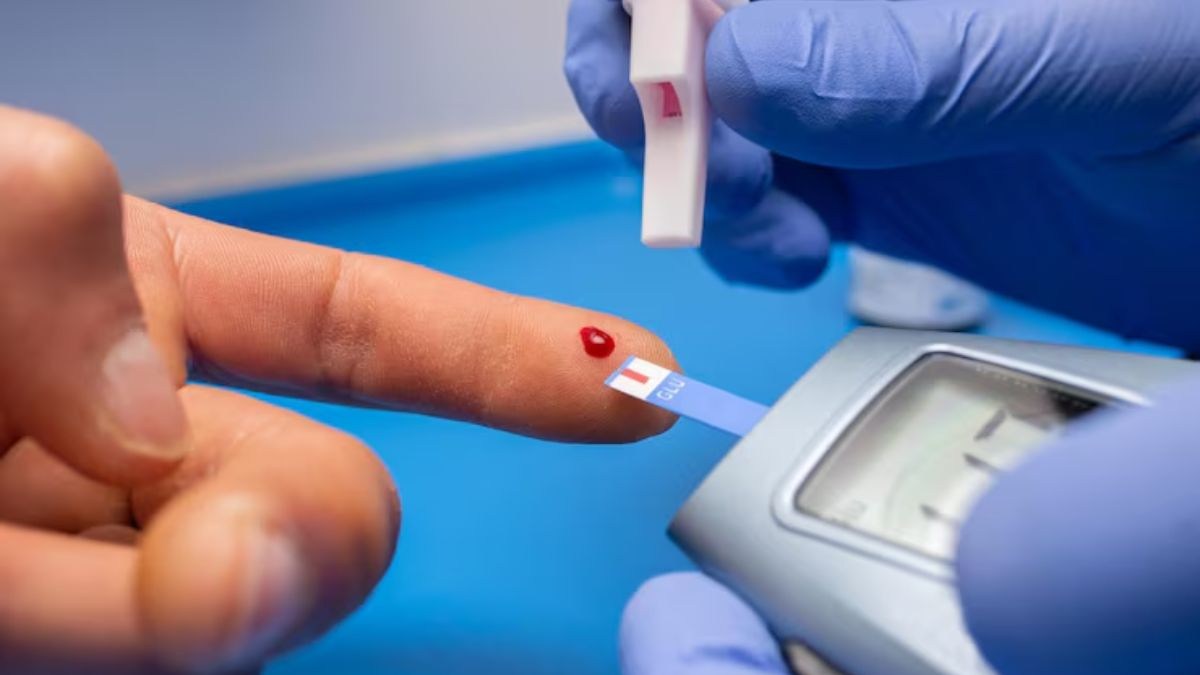
Some people think that your blood group can affect how your body handles sugar and insulin, which might lead to diabetes.
But experts say that there's no strong proof that your blood group makes you more likely to have insulin spikes or get diabetes.
Instead, things like what you eat, how much you weigh, how active you are, and how well you sleep have a much bigger impact on your insulin levels.
Doctors recommend focusing on a healthy lifestyle rather than worrying about your blood group.

Blood group is not a significant factor in insulin spikes or diabetes risk.
Insulin spikes are influenced by diet, body weight, sleep, genetics, and physical activity.
Some studies suggest blood group O may have a slightly lower risk of type 2 diabetes.
The 'Blood Group Diet' theory has been debunked by scientific evidence.
Health organizations do not consider blood groups in diabetes risk assessment.
- Who
- Dr. David Chandy, Director of Endocrinology at Sir H.N. Reliance Foundation Hospital
- What
- Expert clarifies the relationship between blood groups and diabetes risk
- When
- Not specified
- Where
- Sir H.N. Reliance Foundation Hospital
- Why
- To debunk myths and provide accurate information on insulin spikes and diabetes risk
- Insulin Spikes
- Rapid rise in insulin levels after a meal
- Insulin Resistance
- Condition where cells don't respond well to insulin
- Type 2 Diabetes
- Chronic condition affecting insulin regulation
- Blood Group A
- Slightly higher risk of cardiovascular disease and metabolic syndrome
- Blood Group O
- Marginally lower risk of type 2 diabetes
- Factors Influencing Insulin
- Diet, body weight, sleep, genetics, physical activity
- Blood Group Diet
- Debunked theory linking blood groups to food digestion
- Health Organizations
- Do not consider blood groups in diabetes risk assessment