Archive · 28 Jul 2025
Ukrainian POWs Rebuild Lives, Face Trauma After Release
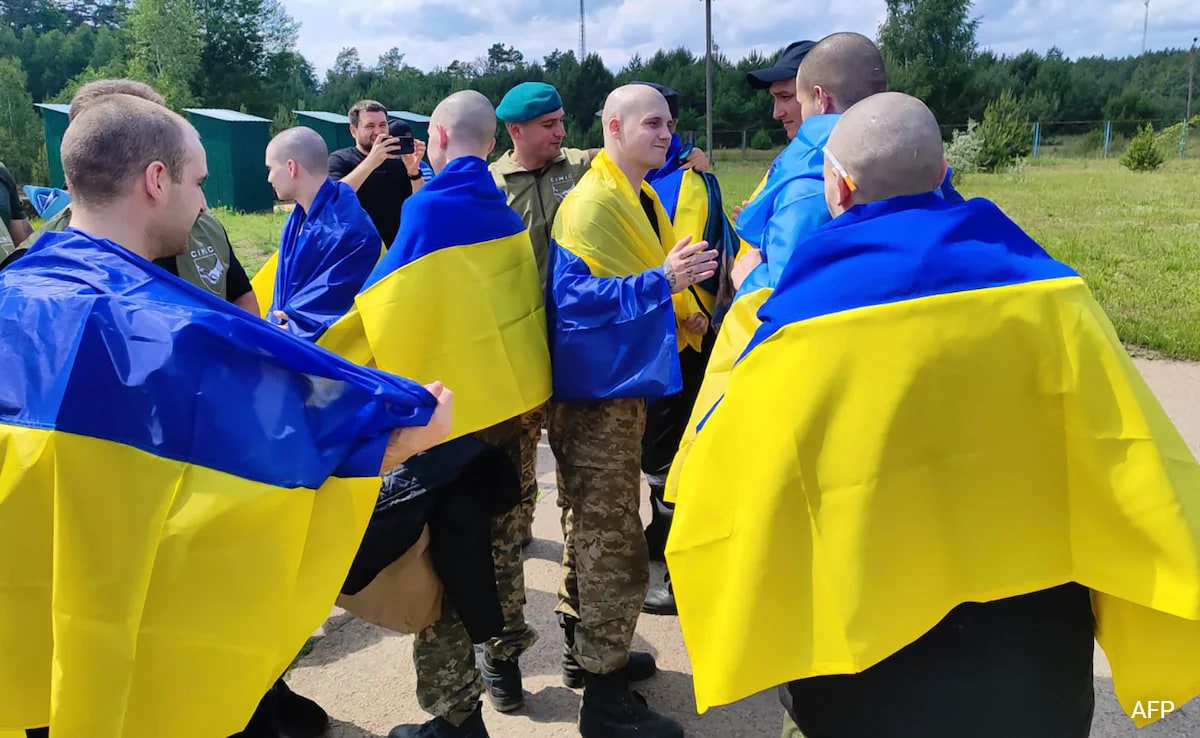
Imagine soldiers who were held prisoner and treated badly.
When they come home, it's hard to feel safe and happy.
They have nightmares and feel scared.
They're getting help to deal with these feelings and rebuild their lives.
The bad memories of prison stay with them, so it's important they get help for a long time.
They are building new relationships and careers, but it takes time to heal from the trauma of war.

Former Ukrainian POWs, like Stanislav Tarnavskyi and Denys Zalizko, are rebuilding their lives after their release from Russian captivity.
Tarnavskyi, 25, has proposed to his girlfriend, bought an apartment, and credits counseling for his progress.
Many former POWs experience nightmares, flashbacks, and hypervigilance due to the trauma of captivity.
Psychologists emphasize the importance of long-term monitoring and specialized care for former POWs.
Zalizko, 21, uses music and exercise to cope with anxiety and is pursuing a career as an artist.
- Who
- Former Ukrainian prisoners of war, such as Stanislav Tarnavskyi and Denys Zalizko.
- What
- Former Ukrainian prisoners of war are rebuilding their lives and dealing with psychological trauma after their release from Russian captivity.
- When
- Ongoing, after their release from Russian captivity.
- Where
- Ukraine, in and around Kyiv.
- Why
- To reintegrate into society and cope with the psychological impact of their captivity and the war.
Challenges Faced by Former POWs
Hope and Recovery
Mental Health Treatment
Challenges Faced by Former POWs
Many struggle with PTSD and require long-term care, including therapy. The war's emotional cost can impact all aspects of life.
Hope and Recovery
Some may believe time is the only healer, and that therapy is not always necessary.
- Mental Health Center
- Lisova Polyana (Kyiv)
- Common Symptoms
- Nightmares, flashbacks, anxiety, hypervigilance
- Key Support
- Psychological counseling
- One POW's Age
- 25
- Another POW's Age
- 21