

Archive · 16 Dec 2025
UP Farmers Revive Sarus Crane Population
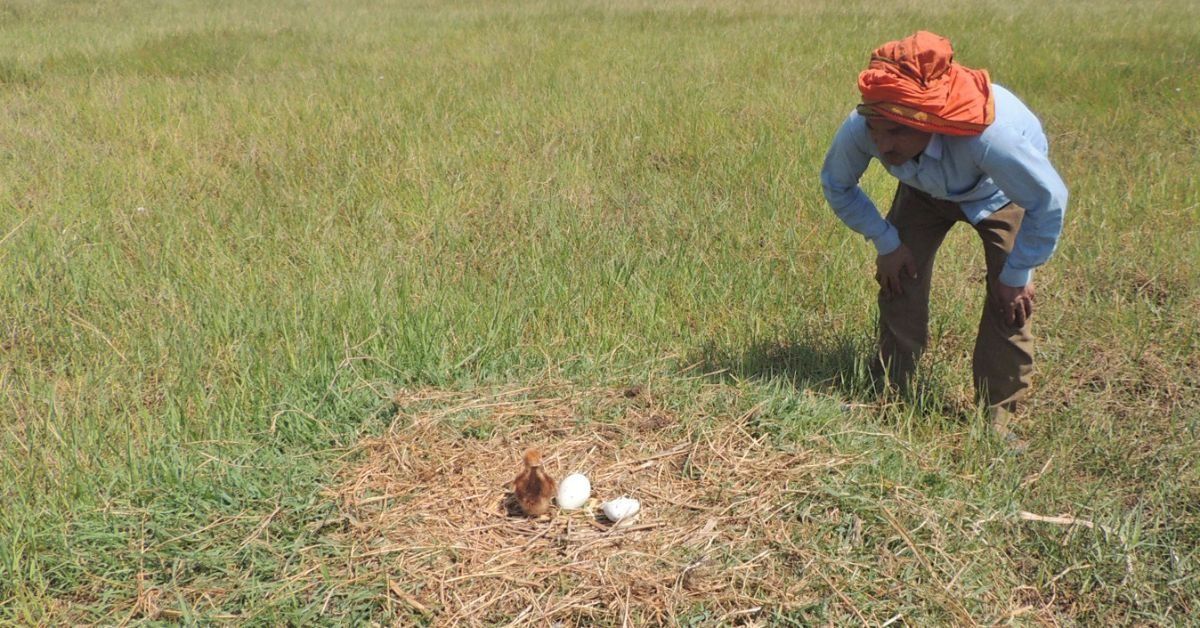
In Uttar Pradesh, farmers and conservationists are working together to save the sarus crane, the world's tallest flying bird.
These birds used to be seen as pests because they would land in farmers' fields.
But now, farmers like Rampreet are protecting the birds and their nests.
The Wildlife Trust of India started a project to teach farmers how the birds help the environment.
The birds eat insects that harm crops and make the soil healthier.
The project has helped protect many nests and increase the bird population.
People in the villages are now proud to have these beautiful birds living nearby and are working to keep their wetlands safe.

Farmers in Uttar Pradesh are protecting sarus cranes, the world's tallest flying birds, after previously viewing them as pests.
The Wildlife Trust of India's Sarus Habitat Securement Project has mobilized farmers to conserve wetlands and protect the birds' nests.
Sarus cranes are adept at seeking out homes in agricultural lands due to the destruction of their natural wetland habitats.
The project has identified approximately 100 water bodies as sarus-occupied wetlands and has protected 237 nests in the current breeding season.
Awareness programs in schools and villages have shifted mindsets, with locals now recognizing the sarus crane as a novelty to be celebrated rather than a pest.
- Who
- Farmers in Pragpur village, Maharajganj district, Uttar Pradesh, and the Wildlife Trust of India
- What
- Reviving the population of the sarus crane, the world's tallest flying bird and the state bird of Uttar Pradesh
- When
- The project has been ongoing since 2013, with a shift in focus after 2019
- Where
- Eastern Uttar Pradesh, particularly in 10 project districts
- Why
- To protect the declining population of sarus cranes and their wetland habitats, which have been encroached upon for agriculture and infrastructure
- Sarus Crane Height
- 152-156 cm
- Current Population
- 15,000–20,000 mature individuals
- Project Districts
- 10 districts in Eastern Uttar Pradesh
- Protected Nests
- 237 nests in the current breeding season
- Sarus Protection Committees
- 12 committees in Uttar Pradesh
- Wetlands Identified
- Approximately 100 water bodies
- Project Partners
- Wildlife Trust of India, Uttar Pradesh Forest Department, Tata Trusts, World Land Trust