6 hrs ago
Goyal Warns EU Regulations Could Raise Costs, Hurt Businesses
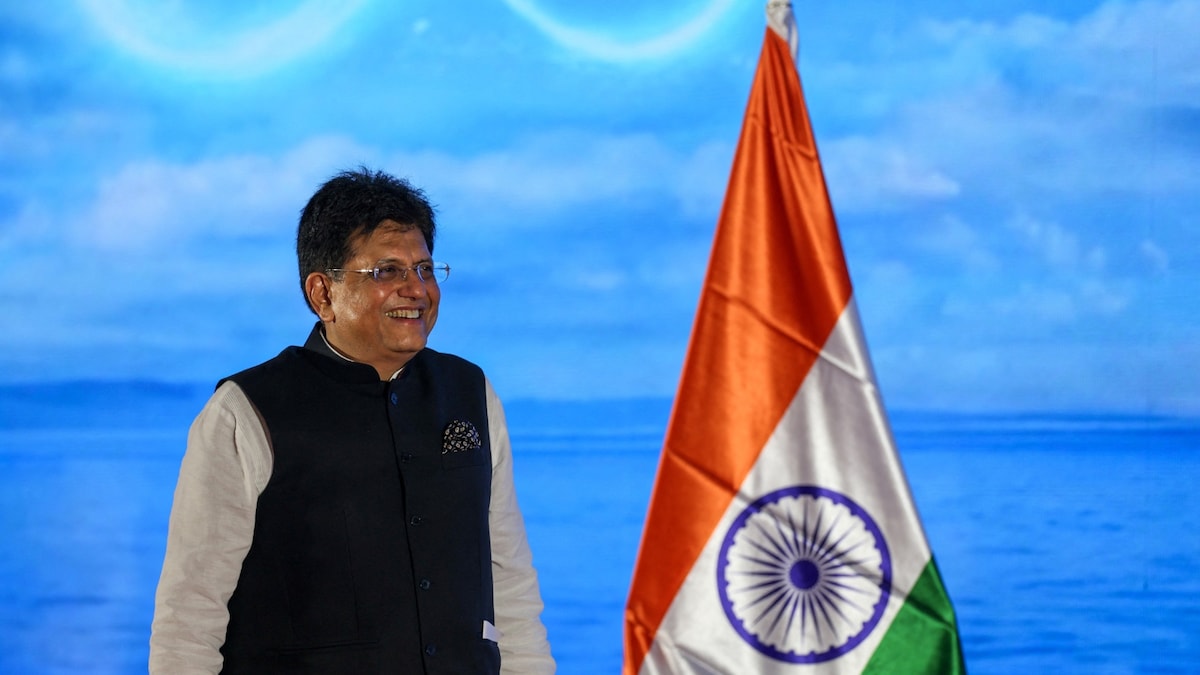
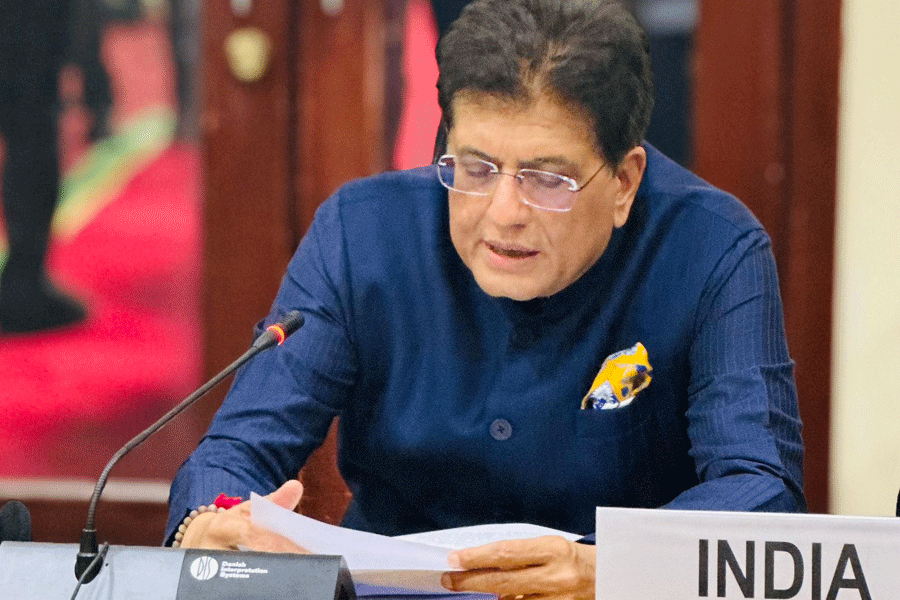
Piyush Goyal said some European Union rules may make products more expensive.
These rules include charges related to carbon emissions, deforestation and steel imports.
He said higher material costs could make housing and infrastructure more expensive in Europe.
He also warned that businesses might choose to operate outside Europe.
Goyal said India could attract more companies because it may offer lower costs and protection for their technology.
India has received quotas that allow some steel to enter the EU without additional duties.
However, the EU carbon charge will still apply to Indian steel, even within the quota.
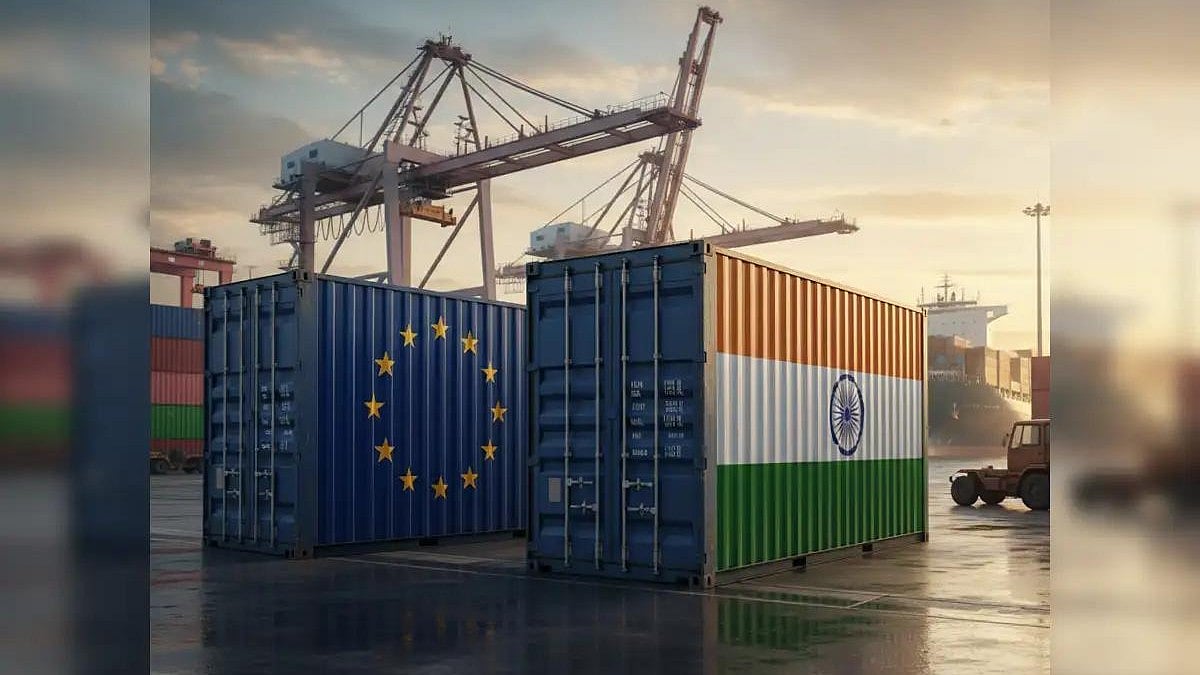
India and the EU are working toward a trade agreement that could begin in March 2027 if both sides complete the required steps.

Piyush Goyal said EU rules on carbon emissions, deforestation and steel imports could raise business and consumer costs.
He warned excessive regulation could make Europe less competitive and encourage businesses to relocate elsewhere.
India could benefit as global automakers seek manufacturing locations with protected technology and intellectual property, Goyal said.
India has secured an annual 1.9 million-tonne steel quota plus 0.9 million tonnes through residual quotas.
The India-EU trade agreement is expected to take effect by March 2027, subject to approvals and procedures.
- Who
- India’s Commerce and Industry Minister Piyush Goyal, Indian exporters and the European Union.
- What
- Goyal criticized the potential costs of EU regulations and discussed India’s steel access and proposed trade agreement with the EU.
- Where
- New Delhi, with the measures affecting trade between India and the European Union.
- When
- Goyal spoke at PAFI’s 13th Annual Forum 2026; the trade agreement is expected to take effect in March 2027, subject to procedures.
- Why
- Goyal said EU regulations could raise costs, reduce competitiveness and make it harder for businesses to operate, while India seeks greater exports and market access.
Cost and competitiveness concerns
Regulation and industry protection
Effect on European businesses
Cost and competitiveness concerns
Goyal said excessive EU regulation could raise compliance and material costs, weaken European competitiveness and push businesses away from Europe.
Regulation and industry protection
The EU’s Steel Overcapacity Regulation is intended to protect the bloc’s steel industry from excess global production.
Steel import controls
Cost and competitiveness concerns
Indian exporters face quotas and a 50% duty on steel imports beyond the permitted volume, while carbon costs continue to apply even within the quota.
Regulation and industry protection
The EU framework provides duty-free import allowances and includes a melt-and-pour requirement intended to improve transparency about where steel is produced.
Key facts
- Speaker
- Piyush Goyal, India’s Commerce and Industry Minister
- Key EU measures
- Carbon Border Adjustment Mechanism, EU Deforestation Regulation and Steel Overcapacity Regulation
- India’s annual steel quota
- 1.9 million tonnes under the India-EU trade agreement
- Residual steel quota
- 0.9 million tonnes available to eligible exporters
- India’s FY26 steel exports to EU
- About 3 million tonnes
- Steel beyond quota
- Subject to a 50% duty under the EU Steel Overcapacity Regulation
- India’s FY26 exports to EU
- $72.39 billion, or 16.40% of total Indian exports
- Expected trade agreement timeline
- March 2027, subject to approvals and required procedures
Quotes

Piyush Goyal
India’s Commerce and Industry Minister
“The more they regulate and overregulate and create hurdles for their businesses, Europe is going to get edged out of businesses.”
 CNBC TV 18
Sources
Related news

India Gains Wider EU Steel Access, But Carbon Levy Remains
India Secures Duty-Free Steel Quota Access to EU
Green Hydrogen Could Recast India-EU CBAM Challenge Into Opportunity
India Secures 1.64 Million-Tonne Steel Quota Under EU FTA
India-US Trade Pact Nears Execution, Goyal Seeks Competitive Advantage
India Moves to Overcome EU Carbon Border Verifier Shortage

AI Race Raises Questions Over Who Controls Autonomous Systems
Albanese Says Tim Cook Calls Australia’s Social Media Curbs World-Leading

EU Sets Provisional Safeguards on Electrical Steel Imports
EU Proposal Would Bar India From Importing Metal Scrap