

Archive · 5 Aug 2025
Balancing Energy Needs with Oil and Gas Asset Decommissioning
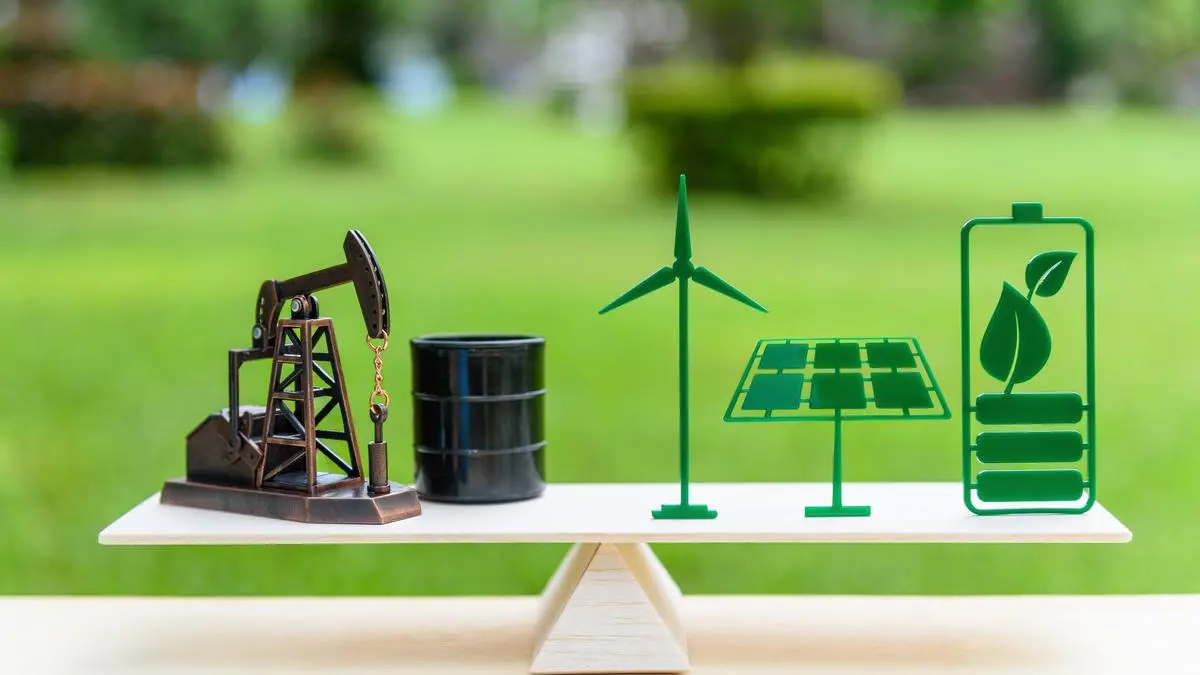
Imagine we're moving away from fuels like oil and gas to cleaner options.
This means getting rid of old oil and gas equipment, but it's not as simple as just turning them off.
Companies and governments need to carefully plan how to do this while still making sure we have enough energy.
This includes thinking about things like carbon taxes, using renewable energy, and possibly turning old oil platforms into places that make wind energy.
It's important to do this step by step, not too quickly, or we might run into problems like energy shortages or extra costs.

Decommissioning oil and gas assets requires balancing net-zero goals with energy security.
Arthur D. Little's study highlights the need for strategic transformation of business models.
Repurposing existing fossil fuel assets for renewable projects, such as wind and hydrogen, is an option.
The importance of phased decommissioning to avoid risks associated with a hurried process.
Decarbonization strategies can extend the life of fossil fuel assets.
- Who
- Arthur D. Little and governments and businesses.
- What
- Balancing net-zero goals with energy security in the decommissioning of oil and gas assets.
- When
- Published on August 5, 2025.
- Where
- India and North Sea (mentioned for offshore wind integration).
- Why
- To achieve net-zero emissions while ensuring energy stability and avoiding costly mistakes.
Energy Security Advocates
Net-Zero Advocates
Decommissioning Timeline
Energy Security Advocates
Prioritize energy security; avoid hurried decommissioning.
Net-Zero Advocates
Balance net-zero goals; consider phased asset decommissioning.
- Key Issue
- Decommissioning of Oil & Gas Assets
- Main Goal
- Achieving Net Zero & Energy Security
- Study Author
- Arthur D. Little
- Areas to Consider
- Carbon taxes, energy efficiency, renewables, CCS, asset repurposing.
- Focus
- Repurposing for renewable projects
- Example
- Offshore platforms for wind energy & hydrogen production.