

Archive · 30 Jan 2026
Engineers Build India’s Indigenous Satellite Eyes
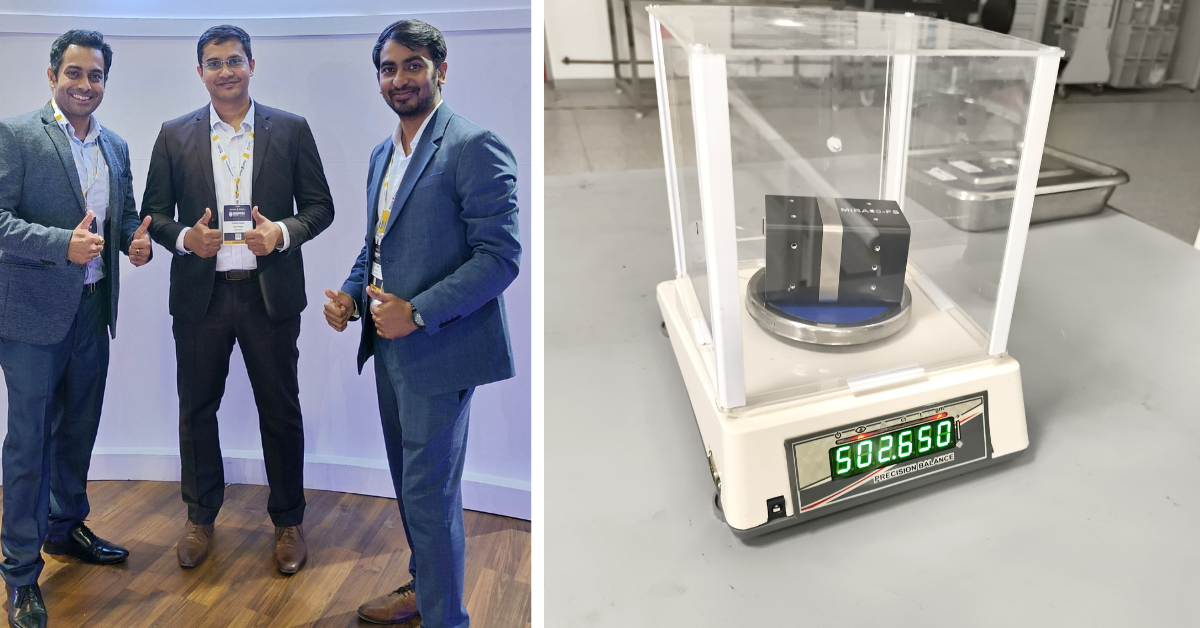
Three engineers from Hyderabad are building India's own satellite cameras.
These cameras help with many important things like warning about floods, helping farmers, and finding people during disasters.
Before, India had to buy these cameras from other countries, but now these engineers are making them in India.
They started working together at an eye hospital, where they learned to make very precise tools.
They use this same precision to make small, lightweight cameras for satellites.
These cameras can take pictures and detect heat, which helps in many ways.
The engineers tested their cameras in tough conditions and they are getting ready to launch them into space soon.
This is a big step for India because now they can make their own satellite cameras instead of buying them from other countries.

Three engineers from Hyderabad developed indigenous satellite imaging technology to reduce dependence on imports.
Their company, EON Space Labs, created MIRA 50 FS, a lightweight space telescope weighing 502 grams.
The technology can capture detailed images and detect heat, aiding in flood warnings, agriculture, and disaster response.
EON's systems have been tested in tough conditions and are scheduled for launch by June 2026.
This development is significant for India's defence, agriculture, and climate monitoring capabilities.
- Who
- Three engineers from Hyderabad: Sanjay Kumar, Manoj Kumar Gaddam, and Punit Badeka
- What
- Developed indigenous satellite imaging technology for Earth observation
- When
- Company founded in December 2022, launch scheduled for June 2026
- Where
- Hyderabad, India
- Why
- To reduce dependence on imported satellite imaging technology and enhance India's capabilities in disaster response, agriculture, and defence
- Founders
- Sanjay Kumar, Manoj Kumar Gaddam, Punit Badeka
- Company
- EON Space Labs
- Location
- Hyderabad, India
- Key Product
- MIRA 50 FS
- Weight
- 502 grams
- Launch Date
- June 2026 (scheduled)
- Testing
- NASA-aligned standards
- Applications
- Flood warnings, agriculture, disaster response, defence