

Archive · 14 Nov 2025
Credit Cards: Boon or Bane? Navigating Debt Traps with 5 Tips
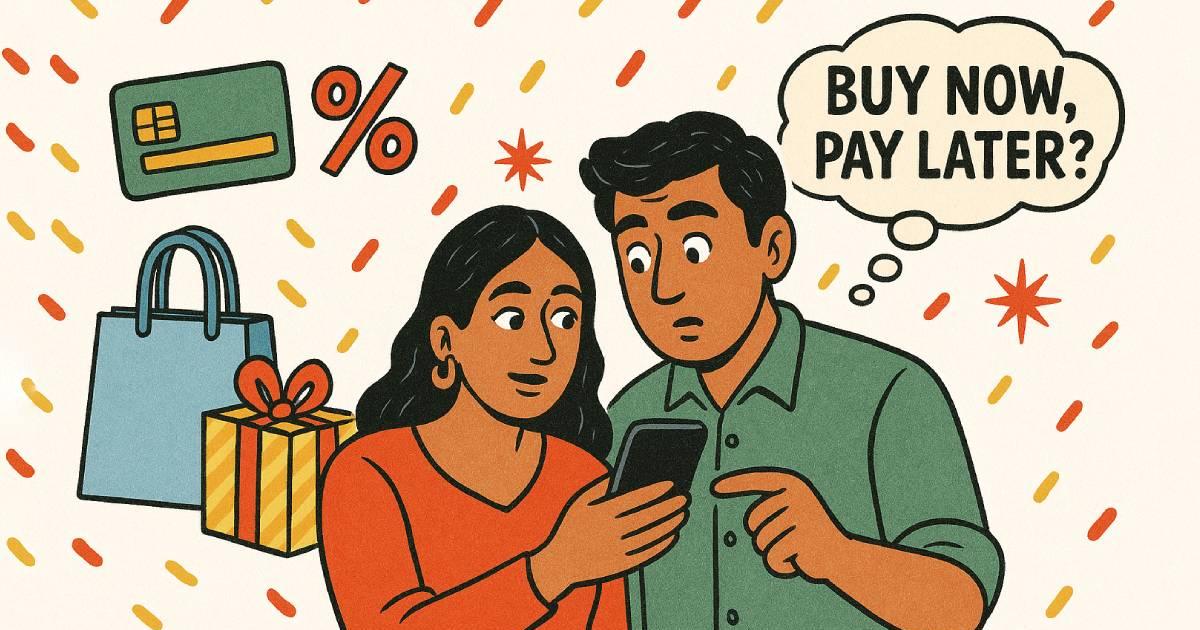
Imagine a credit card is like a magic wallet that lets you buy things now and pay later.
It's popular because it's easy to get and gives you rewards, like points for shopping.
But, this magic wallet has a tricky side!
If you only pay a little bit each month, the money you owe can grow very big because of high interest, sometimes as high as 42% each year.
It's also easy to buy more than you planned because paying is so simple.
To stay safe, always try to pay the full amount you owe each month, like paying back a friend quickly.
Think of your credit limit as a ceiling you can't go over, not as extra money you have.
Using apps to see where your money goes helps you shop smarter.
While credit cards can help you build a good money reputation if used well, they can become a big problem if you're not careful with your spending and payments.

Credit card usage has surged due to easy onboarding, rewards, and rising consumer spending.
High annualised interest rates (30-42%) and the 'minimum payment illusion' contribute to debt traps.
Impulse spending is encouraged by easy payment options and reward systems.
Key strategies to avoid debt include paying the full balance monthly, treating credit limits as ceilings, and tracking expenses.
Responsible use positions credit cards as tools for convenience and credit-building, not long-term borrowing.
- Who
- Credit card users and households in the country, fintech companies offering credit cards.
- What
- The rapid surge in credit card usage and the associated concerns about falling into a debt trap due to high interest rates, minimum payment illusion, and impulse spending.
- When
- Over the past few years, with continued relevance for present and future personal finance management.
- Where
- Primarily within the country where credit card usage has surged.
- Why
- Easy onboarding, aggressive reward systems, rising consumer spending, and the convenience offered by credit cards have driven usage, but mismanagement leads to debt concerns.
Credit Cards as a Bane
Credit Cards as a Boon
Debt Accumulation
Credit Cards as a Bane
High annualised interest rates (30-42%) on rollovers and the 'minimum payment illusion' can cause small unpaid balances to balloon rapidly, leading to long-term, high-cost debt.
Credit Cards as a Boon
When used responsibly with discipline and by paying off the full balance monthly, credit cards can be effective tools for building credit history and managing finances.
Spending Behavior
Credit Cards as a Bane
Easy tap-and-pay options and aggressive reward systems encourage impulse-led spending and overspending, potentially trapping users in debt.
Credit Cards as a Boon
Credit cards can be used as convenience tools, with rewards redeemed strategically without making purchases solely based on rewards. Tracking expenses via digital applications helps manage spending.
Overall Impact
Credit Cards as a Bane
Mismanagement, such as juggling multiple cards without a clear repayment plan, revolving credit month after month, and making cash withdrawals, quickly leads to compounding debt and potential legal complications.
Credit Cards as a Boon
When understood and managed correctly, credit cards serve as useful tools for building credit, offering convenience, and aiding in efficient personal finance management.
- Annualised Interest Rate
- 30-42% on rolled-over dues
- Risks of Minimum Payment
- Traps users into long-term, high-cost debt
- Spending Triggers
- Tap-and-pay options, aggressive reward systems
- Debt Accumulation Factors
- Carrying forward balances, multiple cards without tracking, cash withdrawals
- Tips for Avoiding Debt
- Create monthly repayment rules, pay in full, treat limit as ceiling, track expenses, use rewards wisely
- Founder's Advice (Zavo)
- Treat card like a short-term loan; budget, track, pay full balance monthly
