

Archive · 15 Jun 2025
New Heat Treatment Boosts 3D-Printed Aircraft Alloy Strength
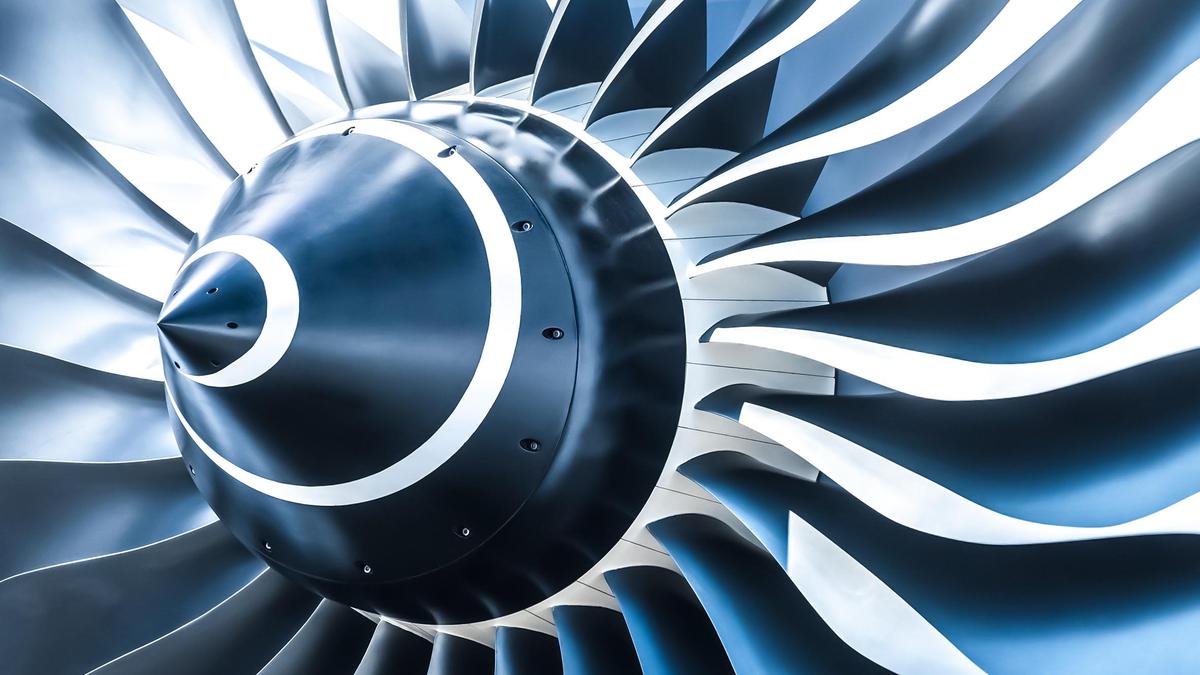
Aircraft engines use special metals that can handle extreme heat, like IN718.
When made using 3D printing, this metal isn't as strong against the heat.
Scientists found the problem: a metal called niobium doesn't spread evenly in 3D-printed parts.
This creates weak spots.
To fix it, they heated the metal differently, which helped the niobium spread out.
This made the metal much stronger and more able to withstand heat, making 3D-printed parts practical for engines.

IN718, a nickel-based superalloy, is vital for high-temp aircraft engine parts.
3D-printed IN718 has inferior creep resistance compared to traditionally made parts.
IIT-Madras researchers discovered niobium segregation at grain boundaries causes weakness.
Uneven niobium distribution creates soft spots, reducing creep resistance.
Researchers developed a heat treatment to redistribute niobium, improving performance.
- Who
- Researchers at IIT-Madras
- What
- Researchers developed a heat treatment to improve the creep resistance of 3D-printed IN718 alloy used in aircraft engines.
- When
- Published on June 15, 2025 (Implied from 'More Like This' date).
- Where
- IIT-Madras researchers were involved in the study.
- Why
- To improve the creep resistance of 3D-printed IN718 alloy for aircraft engine parts.
Traditional Manufacturing
3D Printing
Niobium Distribution
Traditional Manufacturing
Niobium spreads evenly during forging and heating.
3D Printing
N/A
- Material
- IN718 (nickel-based superalloy)
- Process
- Additive Manufacturing (3D Printing)
- Issue
- Inferior creep resistance in 3D-printed IN718
- Cause
- Niobium segregation at grain boundaries
- Solution
- High-temperature heat treatment
- Result
- Improved creep resistance