

Archive · 2 Aug 2025
Wolves Adapt: From Deer to Sea Otters After Island Colonization
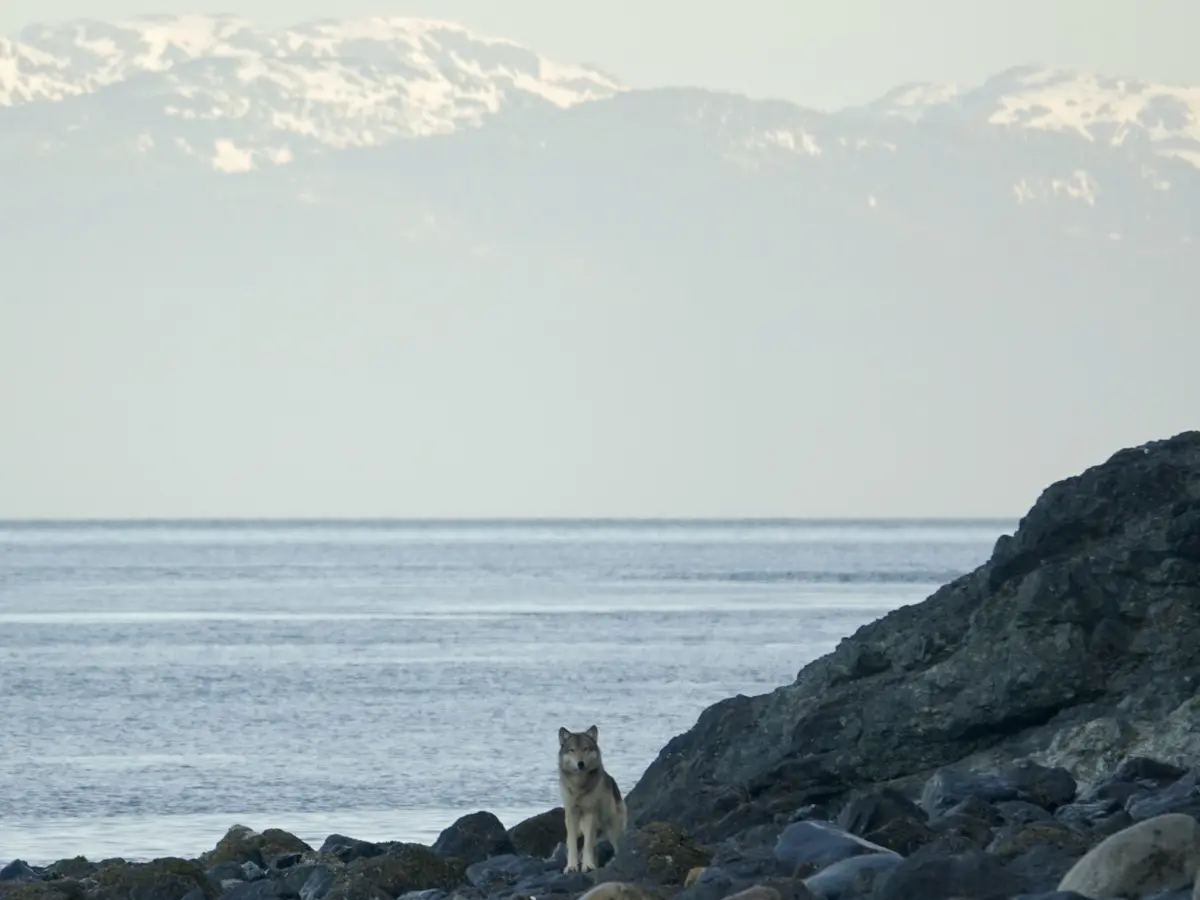
Imagine wolves moving to a new island with lots of deer to eat.
They ate almost all the deer really fast.
The scientists thought the wolves would leave, but they didn't.
Instead, they learned to hunt sea otters in the water!
By eating otters, the wolves got a new problem: mercury poisoning, because the otters had it in their bodies from the ocean.
This shows how animals can change their eating habits to survive, but sometimes it causes other problems.

A wolf pack arrived on an Alaskan island in 2013, initially preying on black-tailed deer.
The deer population declined rapidly after the wolves' arrival.
Researchers observed the wolves adapting to a new food source after depleting the deer.
The wolves began hunting sea otters, with the marine mammals making up most of their diet by 2018.
The dietary shift led to mercury poisoning in the wolves due to toxins in the marine food chain.
- Who
- A pack of wolves and researchers from Oregon State University.
- What
- Wolves adapted their diet from deer to sea otters after colonizing an island off Alaska.
- When
- The wolves arrived in 2013; by 2018, sea otters made up most of their diet.
- Where
- A remote island off the coast of Southeast Alaska.
- Why
- The wolves adapted to survive after depleting their original prey, the deer.
Ecological Concerns
Wolf Adaptation
Impact of dietary change
Ecological Concerns
Focus is on the impact of the shift on the wolf population's health and the accumulation of toxins in the food chain.
Wolf Adaptation
Focus is on the adaptability of wolves, demonstrating their resilience to changing food availability.
- Island Location
- Off coast of Southeast Alaska
- Year Wolves Arrived
- 2013
- Original Prey
- Black-tailed deer
- New Prey
- Sea otters
- Wolf Diet by 2018
- 67% sea otters
- Ecological Concern
- Mercury poisoning