

Archive · 9 Oct 2026
US Suspends PERM Processing for Eight Major Technology Companies
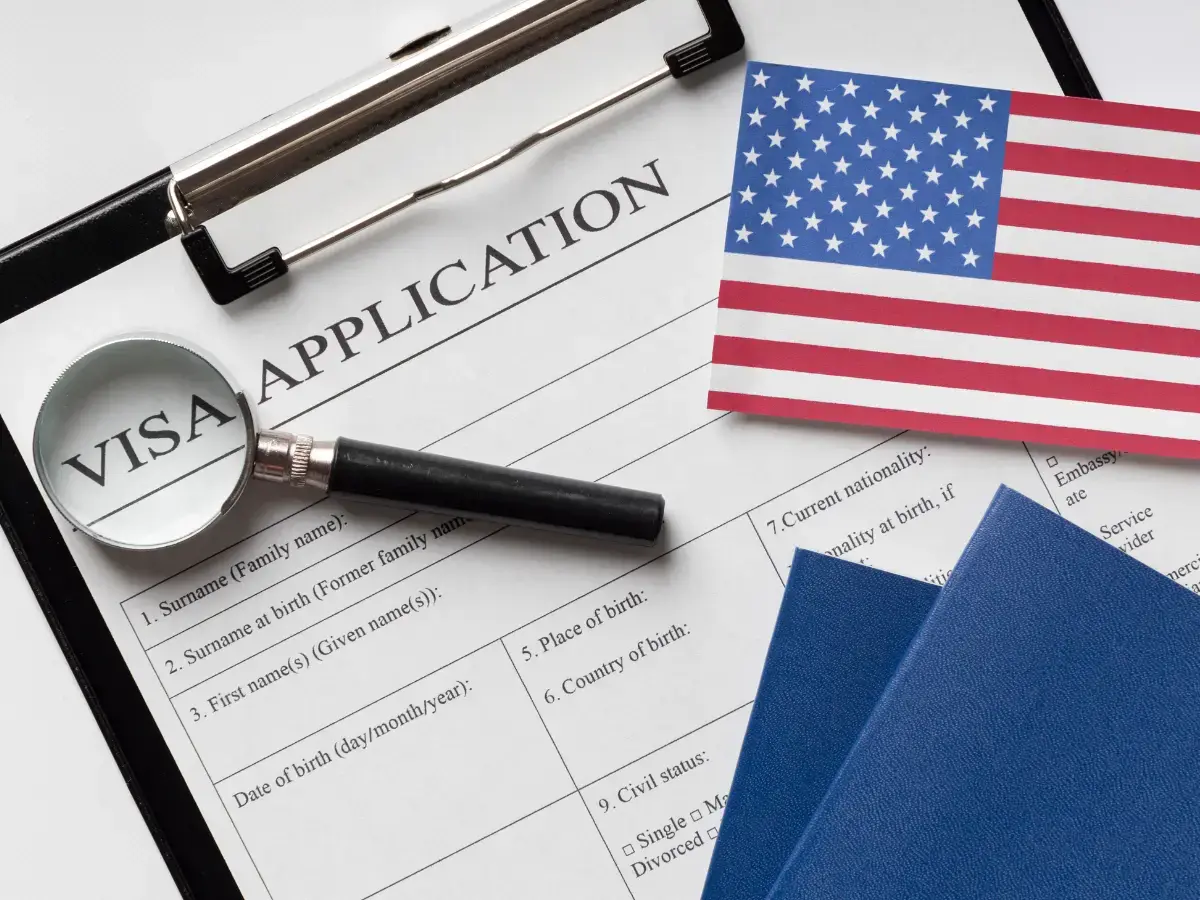
The US government has paused a green-card-related process for eight technology companies.
The process is called PERM, and it helps an employer show that hiring a foreign worker will not harm qualified American workers.
PERM is not a visa or a green card by itself.
It is also different from an H-1B visa, which lets some people work in the US temporarily.
The pause does not automatically take away workers’ existing visas or green cards.
But some workers could face delays if their green-card cases need a new or pending PERM certification from one of these companies.
The government says the action is connected to investigations, but it has not publicly released company-specific findings establishing wrongdoing by all eight.
TCS and Microsoft say the process or visa filings affected represent only a limited part of their workforces.

The US Department of Labor suspended eight technology companies from PERM amid active federal investigations.
The department says it will accept no new PERM applications involving the companies and will pause pending applications.
PERM is a labor-certification step used in some employer-sponsored green-card cases; it is separate from H-1B work authorization.
The suspensions do not automatically cancel existing H-1B visas, green cards, previously certified PERMs, or approved I-140 petitions.
TCS reports single-digit PERM applications in the past two years and plans 15,000 US hires; Microsoft says about 80% of roughly 6,000 recent H-1B filings were for existing employees.
- Who
- The US Department of Labor suspended TCS, Infosys, Wipro, HCLTech, Cognizant, Capgemini, Microsoft, and Adobe from PERM processing.
- What
- New PERM applications involving the companies will not be accepted, and pending applications will not be processed while the suspension remains in force.
- When
- The action was announced on October 8; the articles do not specify the year.
- Where
- United States
- Why
- The administration says the action is part of efforts to investigate alleged abuse of employment-based immigration programs and protect American jobs.
Administration's position
Companies' responses
Reason for the suspensions
Administration's position
The administration says enforcement addresses alleged abuse of employment-based immigration programs and is intended to protect American jobs.
Companies' responses
The companies dispute or seek to limit concerns about their hiring practices; the articles report that company-specific findings establishing wrongdoing have not been publicly released.
Reliance on immigration pathways
Administration's position
The suspensions restrict access to PERM, which can be necessary for employer-sponsored green-card cases.
Companies' responses
TCS says its recent PERM applications were in the single digits and points to local hiring; Microsoft says most recent H-1B filings involved existing employees, not new overseas recruits.
H-1B workers and American jobs
Administration's position
JD Vance cited Microsoft layoffs alongside its H-1B visa use and green-card numbers; the allegations remain under investigation.
Companies' responses
Microsoft says H-1B workers are paid comparably to workers in similar jobs and says most of its filings were extensions or status changes for current employees.
- Companies affected
- TCS, Infosys, Wipro, HCLTech, Cognizant, Capgemini, Microsoft, and Adobe
- Action
- No new PERM applications involving the companies will be accepted, and pending applications will not be processed while the suspension is in force.
- PERM
- A labor-certification process employers generally complete before pursuing certain employment-based permanent-residency cases.
- H-1B and existing status
- The PERM suspension does not automatically cancel existing H-1B visas or green cards.
- TCS
- TCS says its PERM applications were in the single digits over the past two years and it plans to hire 15,000 people in the US over five years.
- Microsoft H-1B filings
- Microsoft says about 80% of roughly 6,000 filings in the last fiscal year involved extensions or status changes for existing employees.
- Investigation findings
- The article says the administration has not publicly released company-specific findings establishing wrongdoing by each of the eight firms.
