

Archive · 10 Nov 2025
India's Tri-Service 'Trishul' Exercise Concludes, Highlighting Integrated Capabilities

Imagine India's Army, Navy, and Air Force having a big practice session together to make sure they can all work as a team.
This practice, called 'Trishul', just finished.
It involved over 30,000 soldiers, sailors, and airmen.
They used many different types of ships, planes, and land vehicles to practice fighting together in realistic situations.
The goal was to make sure all the different parts of India's military can communicate and act smoothly as one unit.
Even other important groups like the Coast Guard and border security forces joined in, showing how different government agencies can cooperate.
This exercise helps India get better at defending itself and shows off its ability to build and use its own advanced military equipment.

India's Tri-Service Exercise 'Trishul', involving over 30,000 personnel, has concluded after showcasing integrated combat capabilities.
The exercise, led by the Indian Navy in collaboration with the Army and Air Force, took place from November 3-7 across Rajasthan, Gujarat, and the North Arabian Sea.
Significant military assets were deployed, including naval platforms, over 40 aircraft, and numerous ground systems, to test operational synergy and combat readiness.
The participation of the Indian Coast Guard, Border Security Force, and other central agencies highlighted inter-agency coordination.
The exercise emphasized India's focus on jointness, self-reliance (Aatmanirbharta), and innovation in military operations, validating joint standard operating procedures.
- Who
- Indian defence forces (Navy, Army, Air Force), Indian Coast Guard, Border Security Force, and other central agencies
- What
- Concluded the large-scale Tri-Service Exercise 'Trishul' to showcase integrated operational capabilities, validate combat readiness, and enhance inter-agency coordination.
- When
- November 3 to November 7
- Where
- Rajasthan, Gujarat, and the North Arabian Sea
- Why
- To strengthen operational synergy, refine joint standard operating procedures, validate combat readiness, and demonstrate India's commitment to jointness, self-reliance, and innovation.
Military Interoperability
Self-Reliance and Innovation
Jointness and Coordination
Military Interoperability
The exercise demonstrates improved operational synergy and refined joint standard operating procedures (SOPs) among the Army, Navy, and Air Force.
Self-Reliance and Innovation
The inclusion of the Indian Coast Guard, Border Security Force, and other central agencies underscores India's commitment to inter-agency coordination and national security.
Modernization Focus
Military Interoperability
The deployment of significant assets including amphibious vessels, over 40 aircraft, and numerous ground-based systems showcased the forces' combat readiness.
Self-Reliance and Innovation
The exercise also emphasized India's focus on jointness, self-reliance (Aatmanirbharta), and innovation in military operations, highlighting indigenous capabilities.
- Exercise Name
- Tri-Service Exercise (TSE-2025) 'Trishul'
- Participating Forces
- Indian Navy, Indian Army, Indian Air Force, Indian Coast Guard, Border Security Force, and other central agencies
- Dates
- November 3 to November 7
- Locations
- Rajasthan, Gujarat, and the North Arabian Sea
- Personnel Involved
- Over 30,000
- Key Assets Deployed
- 20-25 Navy surface and subsurface platforms (including amphibious vessels), over 40 Indian Air Force aircraft, numerous ground-based systems
- Lead Command
- Headquarters Western Naval Command
Sources
INS Sahyadri docks at Guam for Malabar-2025, showcases India's naval strength amid strained India-US ties
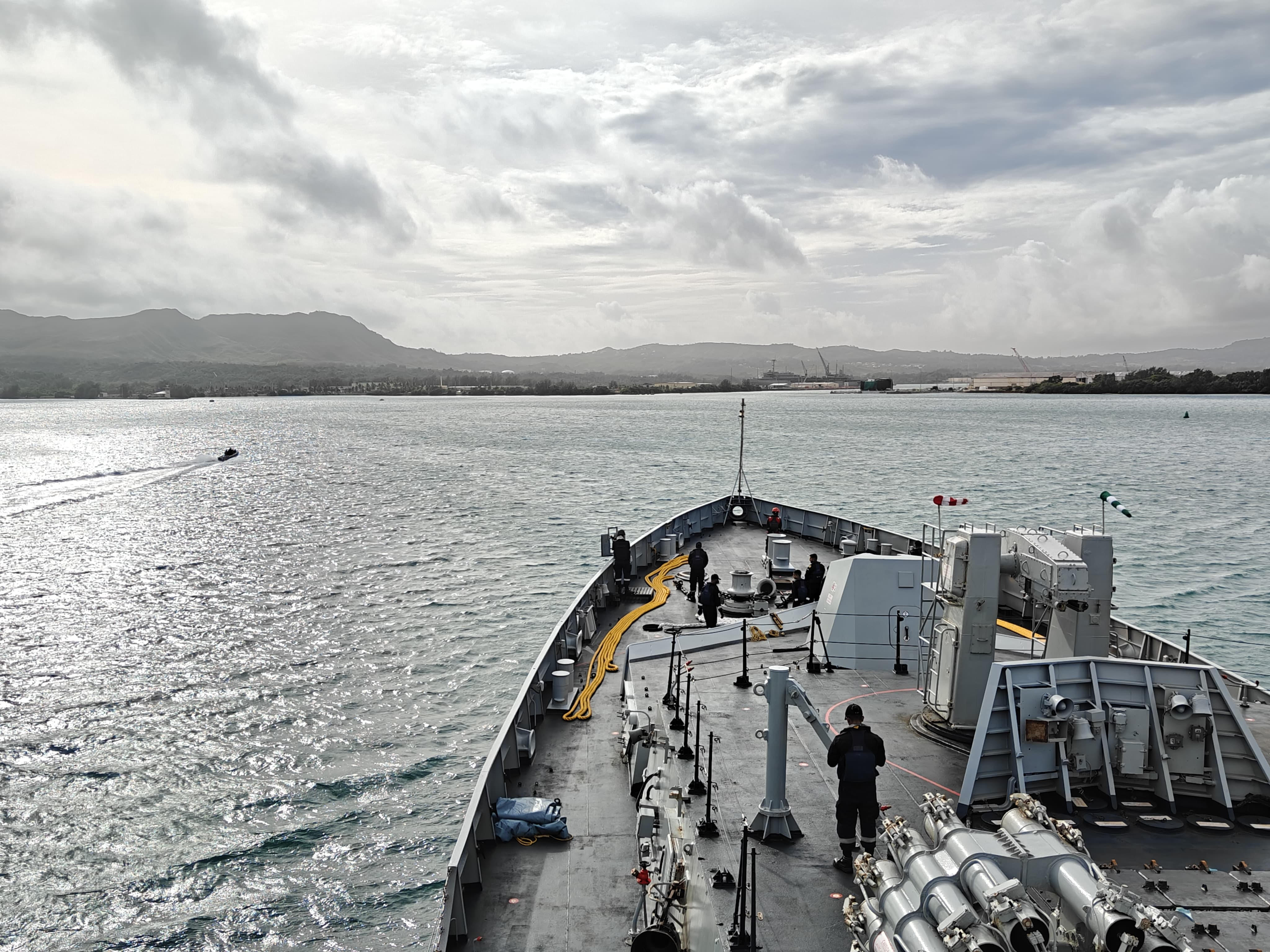
Quad Naval Exercise Malabar Begins in Guam Today

INS Sahyadri Docks At Guam As Malabar Naval Exercise Begins Tomorrow; Navy Shares Glimpse
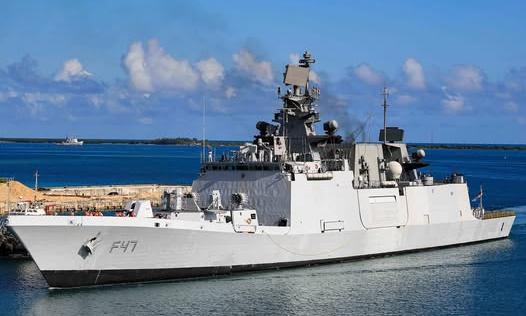
Indian Navy Deploys Warship INS Sahyadri for Malabar Exercise
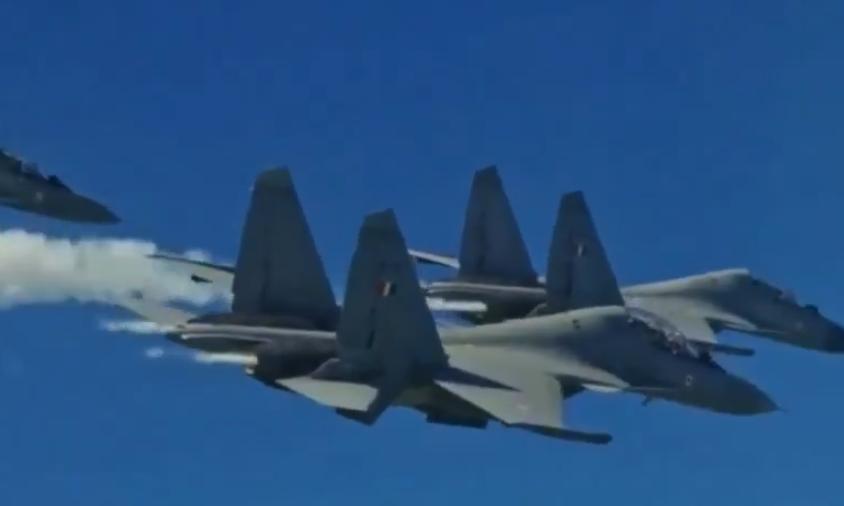
IAF Shows Strength Near Chicken’s Neck Corridor

As part of QUAD Naval exercise, INS Sahyadri reaches Guam
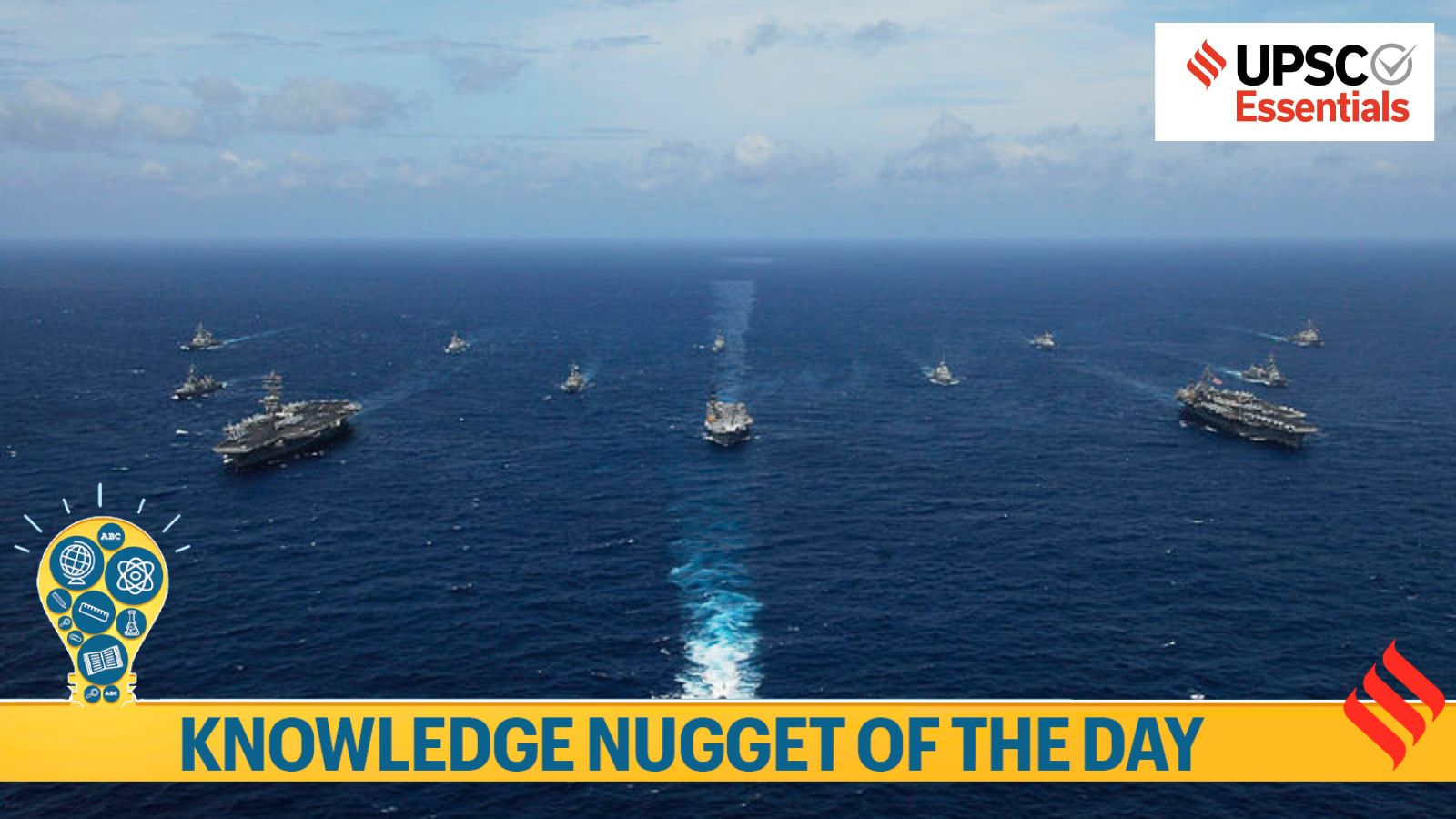
Knowledge Nugget | Malabar Naval Exercise 2025: Why it matters for UPSC Prelims and Mains – Key points on QUAD
