Archive · 6 Sep 2026
India targets 50 annual launches as ISRO, private sector expand
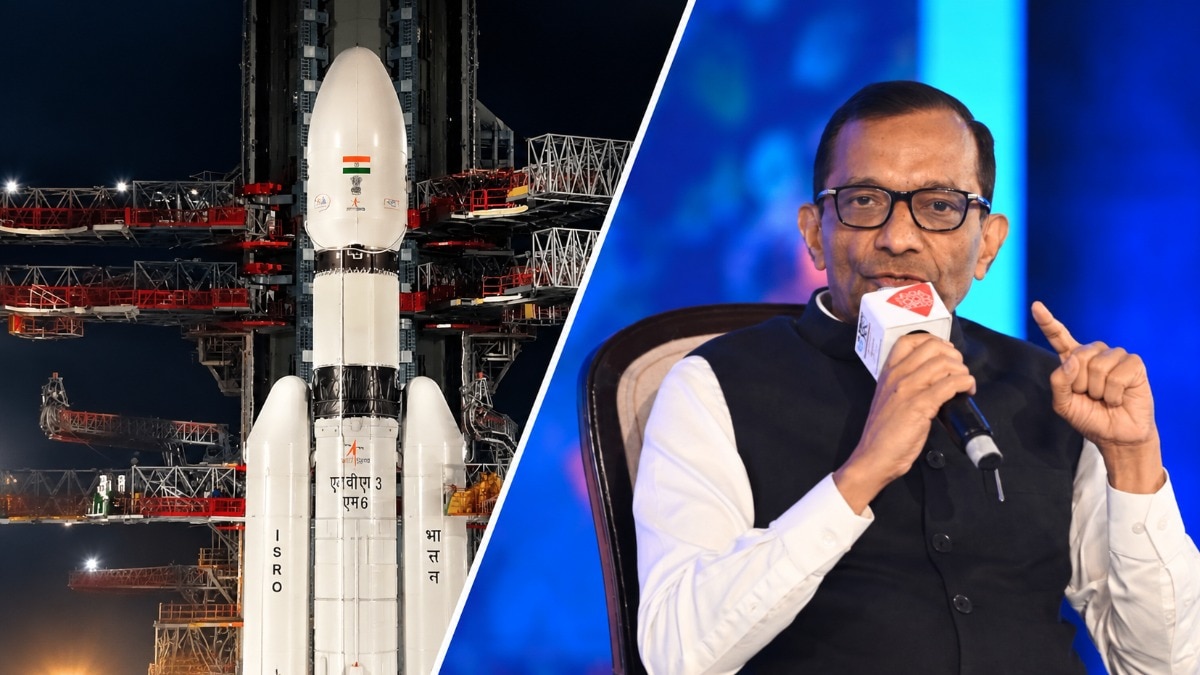
India wants to launch rockets and satellites 50 times every year by 2030.
Pawan Goenka said one organisation cannot achieve such a large goal alone.
He said the government, ISRO and private companies need to work together.
ISRO would continue developing difficult new technologies and leading important scientific and national missions.
Private companies would make more rockets, satellites and launch equipment.
India now has more than 450 space startups, compared with only a few five years ago.
An Indian private company has already flown a rocket into orbit, according to Goenka.
Nine groups representing ISRO employees are asking for clearer information about the changes.
They worry that too much manufacturing and control of launch facilities could move away from the publicly owned ISRO.

India aims to conduct 50 space launches annually by 2030.
IN-SPACe chairman Pawan Goenka said government and private industry must work together to meet the target.
Goenka said ISRO will focus on advanced research, scientific and strategic missions, while private companies scale up manufacturing.
He said private companies are expected to produce PSLV and LVM3 rockets, some satellites, and operate the new launch centre.
Nine ISRO employee associations sought clarity about transferring manufacturing and operational duties to private entities and warned against weakening public control.
- Who
- The Indian Space Research Organisation, IN-SPACe chairman Pawan Goenka, Indian private space companies, and nine ISRO employee associations.
- What
- India is expanding its space sector and targeting 50 launches a year by 2030, with ISRO focusing on advanced work and private industry taking on more mature manufacturing and operations.
- When
- The target and role clarification were discussed on September 6, 2026; the employee associations sent their letter on September 4, 2026, and Goenka had made related comments on August 21.
- Where
- India’s space sector, including rocket-production facilities and a new launch centre.
- Why
- The reforms are intended to expand India’s overall space capabilities, while the employee associations are seeking clarity about ISRO’s future role, workforce and public ownership.
ISRO employee associations
IN-SPACe leadership
ISRO’s future role
ISRO employee associations
The associations said private participation in defined commercial activities can coexist with a strong, publicly owned ISRO, but opposed reducing the agency to a residual research-and-development organisation.
IN-SPACe leadership
Pawan Goenka said ISRO’s role is not diminishing and that it will remain the bedrock of India’s space sector, leading advanced research, strategic missions and frontier national programmes.
Manufacturing and operations
ISRO employee associations
The associations sought clarification about transferring manufacturing and operational functions to private entities, including the effects on current employees and future recruitment.
IN-SPACe leadership
Goenka said private companies would increasingly manufacture mature launch vehicles and satellites, produce PSLV and LVM3 rockets, and take over operations at the new launch centre.
Meeting the launch target
ISRO employee associations
The associations’ concerns reflect opposition to moving the production of launch vehicles and operation of launch infrastructure out of public hands.
IN-SPACe leadership
Goenka said achieving 50 launches annually cannot be done by one organisation and requires government and private industry to build manufacturing, launch capacity and new technologies together.
- Annual launch target
- 50 launches per year by 2030
- Space startups
- More than 450 Indian space startups, according to Pawan Goenka
- ISRO’s proposed role
- Advanced research and development, scientific missions, strategic missions, new technologies and complex infrastructure
- Private-sector role
- Manufacturing mature launch vehicles, satellites and other systems at scale
- Rockets mentioned
- PSLV and LVM3 production is expected to be transferred to private companies
- Employee letter
- Nine ISRO employee associations wrote to Chairman V Narayanan on September 4, 2026
- Future missions cited
- The Bharatiya Antariksh Station by 2035, a crewed Moon mission by 2040, next-generation launch systems and lunar and planetary exploration