

Archive · 30 Jun 2025
Why Aircraft Tires Don't Burst on Landing: An Explanation
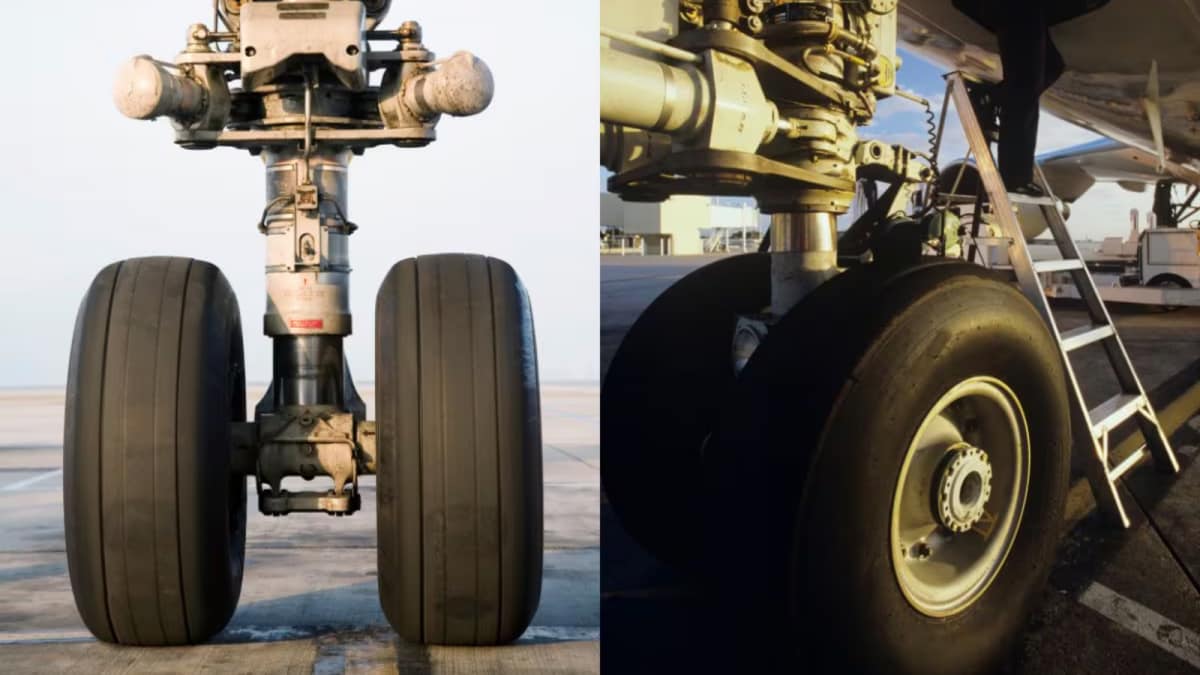
Aircraft tires are super tough, made from special rubber and strong materials.
They're filled with nitrogen instead of regular air, which helps them handle the huge pressure when planes land.
This nitrogen keeps the tires from getting too hot and bursting.
Each tire can handle about 500 landings before needing a new tread.
When a plane lands, the tires might smoke a little because they have to start spinning quickly, but that's normal.
It takes about an hour for experts to change a tire because it's a precise job.

Aircraft tires are made of synthetic rubber reinforced with materials like aluminum, steel, and nylon.
Tires are inflated with nitrogen to withstand high pressure and reduce the risk of combustion.
Aircraft tires can endure approximately 500 landings before requiring retreading.
Changing an aircraft tire is a task for skilled technicians that can take up to an hour.
Aircraft tires are designed with smooth grooves to aid water drainage during landings.
- Who
- The article explains how aircraft tires work.
- What
- Aircraft tires' composition, function, and durability during landings.
- When
- The article was last updated on June 30, 2025.
- Where
- N/A
- Why
- Aircraft tires are engineered to withstand immense pressure, heat, and wear during landings to ensure safety.
- Tire Composition
- Synthetic rubber compounds with aluminum, steel, and nylon
- Nitrogen Usage
- Filled instead of compressed air
- Typical Tire Count
- Around 20 per aircraft
- Landings per Tire
- Approximately 500 before retreading
- Retreading
- Can be done up to seven times
- Tire Pressure
- Up to 900 pounds per square inch