

Archive · 13 Sep 2025
Panama's Annual Cold Water Upwelling Disappears, Puzzling Scientists
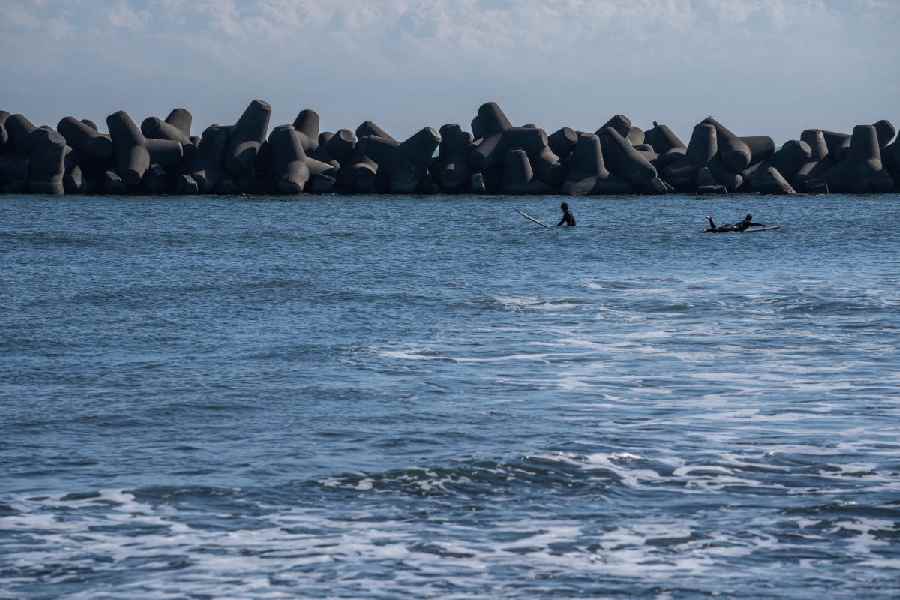
Every year, a big blob of cold water pops up in the Gulf of Panama, bringing food and cool temperatures that help the fish, dolphins, and coral reefs.
But this year, it didn't show up!
Scientists are puzzled because this upwelling is important for the ocean life there.
They think it's because the winds that usually push away the warm water weren't strong enough.
These winds are usually caused by high and low pressure systems in the area.
Without these winds, the cold water stays hidden, which could cause problems for the animals and the people who fish in Panama.

The annual cold water upwelling in the Gulf of Panama, which typically occurs between January and April, did not happen this year.
This upwelling brings cold, nutrient-rich water to the surface, supporting marine life and fisheries.
Scientists attribute the lack of upwelling to weak trade winds, which usually push away warm surface water.
The absence of the cold water could impact local ecosystems, including coral reefs.
The upwelling has occurred annually for at least 40 years.
- Who
- Scientists, including Ralf Schiebel and Steven Paton, are studying the event.
- What
- The annual cold water upwelling in the Gulf of Panama has failed to occur.
- When
- This year, between January and April.
- Where
- Gulf of Panama.
- Why
- Likely due to a lack of strong trade winds, which typically push away hot surface water to allow cold water to rise.
- Event
- Disappearance of annual cold water upwelling
- Location
- Gulf of Panama
- Usual Occurrence
- Annually between January-April
- Key Factor
- Lack of strong trade winds
- Impact
- Threatens marine life, fisheries, and coral reefs
- Researchers
- Ralf Schiebel, Steven Paton